How to make candles the African way
What's the story
African candle-making is a time-honored craft that combines tradition and creativity. The art of crafting candles is not just about lighting a room, but also about creating ambiance and expressing oneself. This guide delves into the essential techniques and materials used in African candle-making, offering insights into the process that has been passed down through generations. Whether you are a novice or looking to refine your skills, these tips will help you craft candles like a pro.
Tip 1
Selecting the right materials
Choosing the right materials is key to making quality candles.
In African candle-making, natural waxes like beeswax or palm wax are commonly used because of their eco-friendliness and durability. These waxes burn longer than paraffin, making them a popular choice.
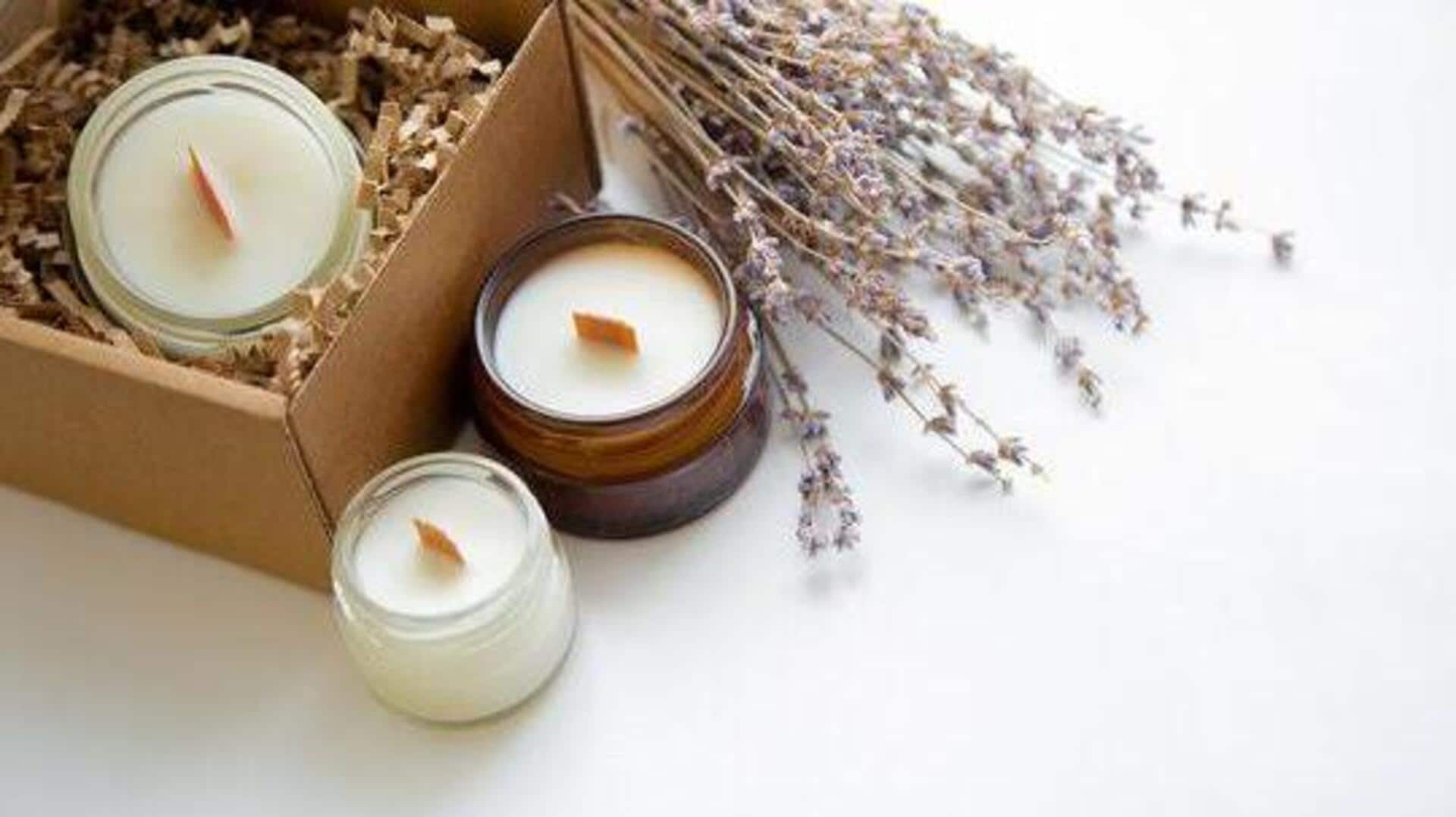
You also need to choose cotton or wooden wicks, as they ensure a steady flame and even burning.
Fragrance oils can also be added for scent, but make sure they are compatible with your chosen wax.
Tip 2
Understanding the melting process
The melting process is crucial in candle-making.
Start by melting your chosen wax in a double boiler to prevent direct heat exposure, which can cause uneven melting or burning issues later on.
Heat the wax slowly until it reaches about 70 degrees Celsius (160 degrees Fahrenheit). This temperature ensures optimal consistency for pouring, without compromising the integrity of the material.
Tip 3
Crafting unique designs
Designing unique candles allows you to showcase creativity while honoring African aesthetics.
Incorporate traditional patterns or symbols into your candle designs using molds or by hand-carving techniques once the wax has cooled slightly but remains malleable enough for shaping purposes.
Experiment with layering different colored waxes, or embedding natural elements like dried flowers or herbs for added visual appeal.
Tip 4
Ensuring safety measures
Safety should always be a priority when working with hot materials during candle-making sessions at home or elsewhere.
Always work in well-ventilated areas when dealing with fragrance oils, which may release strong fumes if inhaled excessively over time without proper ventilation measures in place beforehand.
Keep flammable objects away from your workspace to reduce the risk of accidental fires while working with molten wax.