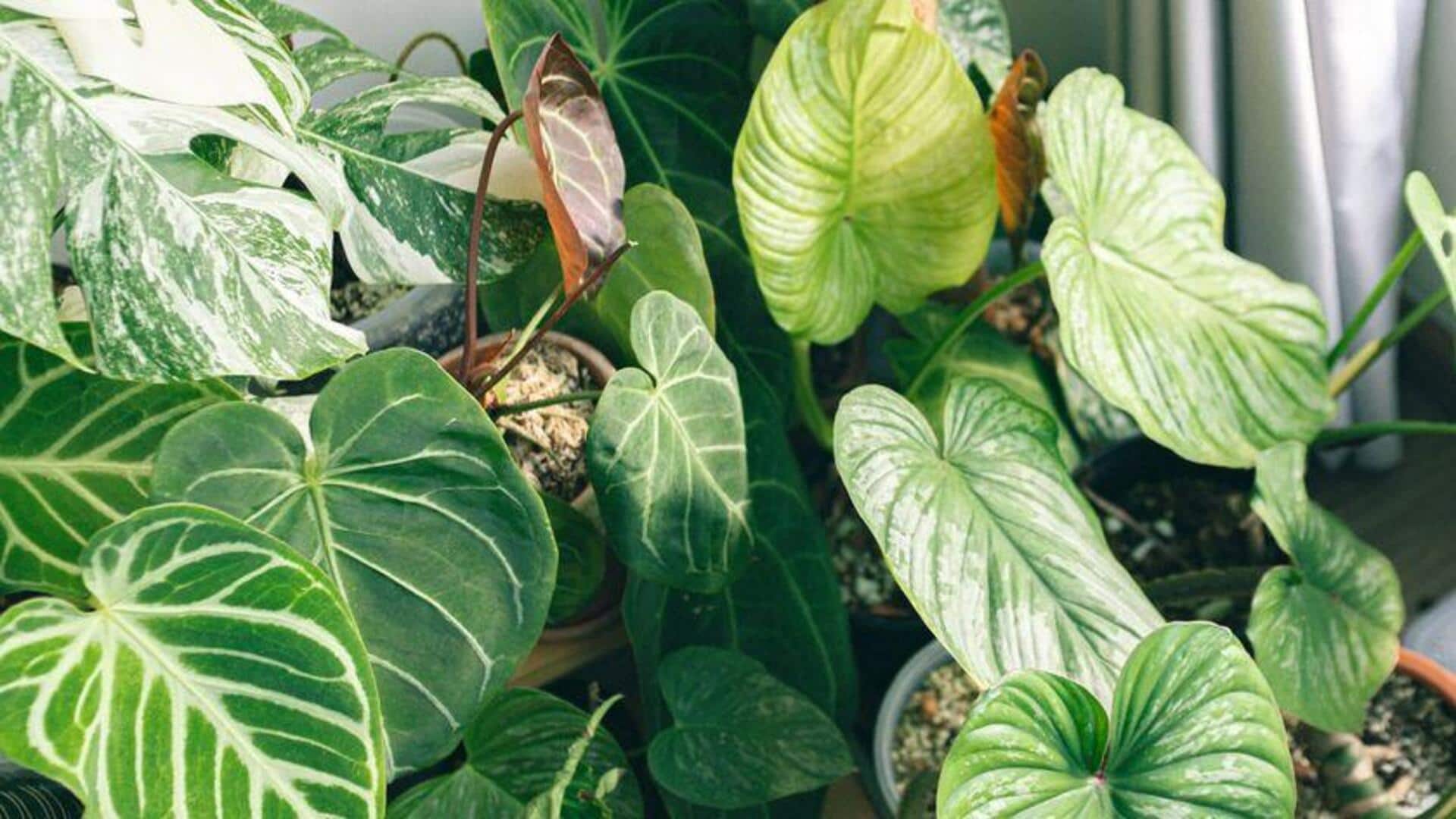
Ginger water: A simple plant-care remedy
What's the story
Ginger water is a natural and effective way to promote plant growth. The nutrients in ginger can benefit plants in several ways, making it an easy and cost-effective solution for gardeners. By using ginger water, you can provide essential nutrients to your plants, promoting healthier growth and vibrant foliage. Here are some practical tips on how to use ginger water for plant growth.
Preparation
Preparing ginger water
To prepare ginger water, start by peeling a small piece of fresh ginger root.
Grate or slice the ginger into small pieces, and add them to a pot of boiling water.
Let the mixture simmer for about 10 minutes before straining out the ginger pieces.
The resulting liquid can be cooled and used as a nutrient-rich solution for your plants.
Benefits
Benefits of ginger water
Ginger contains essential minerals such as potassium and magnesium, which are vital for plant health.
These minerals help strengthen cell walls and improve overall plant structure.
Additionally, ginger has anti-fungal properties that can help protect plants from certain diseases.
Using ginger water regularly can enhance root development and increase resistance to environmental stressors.
Application
Application techniques
To apply ginger water effectively, use it as a soil drench or foliar spray.
For soil application, pour the cooled liquid directly onto the soil around the base of your plants. This method allows roots to absorb nutrients efficiently.
Alternatively, use a spray bottle to mist the leaves with ginger water, providing an immediate nutrient boost.
Frequency
Frequency of use
The frequency of using ginger water depends on the specific needs of your plants and their growth stages.
Generally, applying it once every two weeks is sufficient for most indoor and outdoor plants.
However, during periods of rapid growth or stress, you may increase applications to once a week for optimal results without over-saturation.