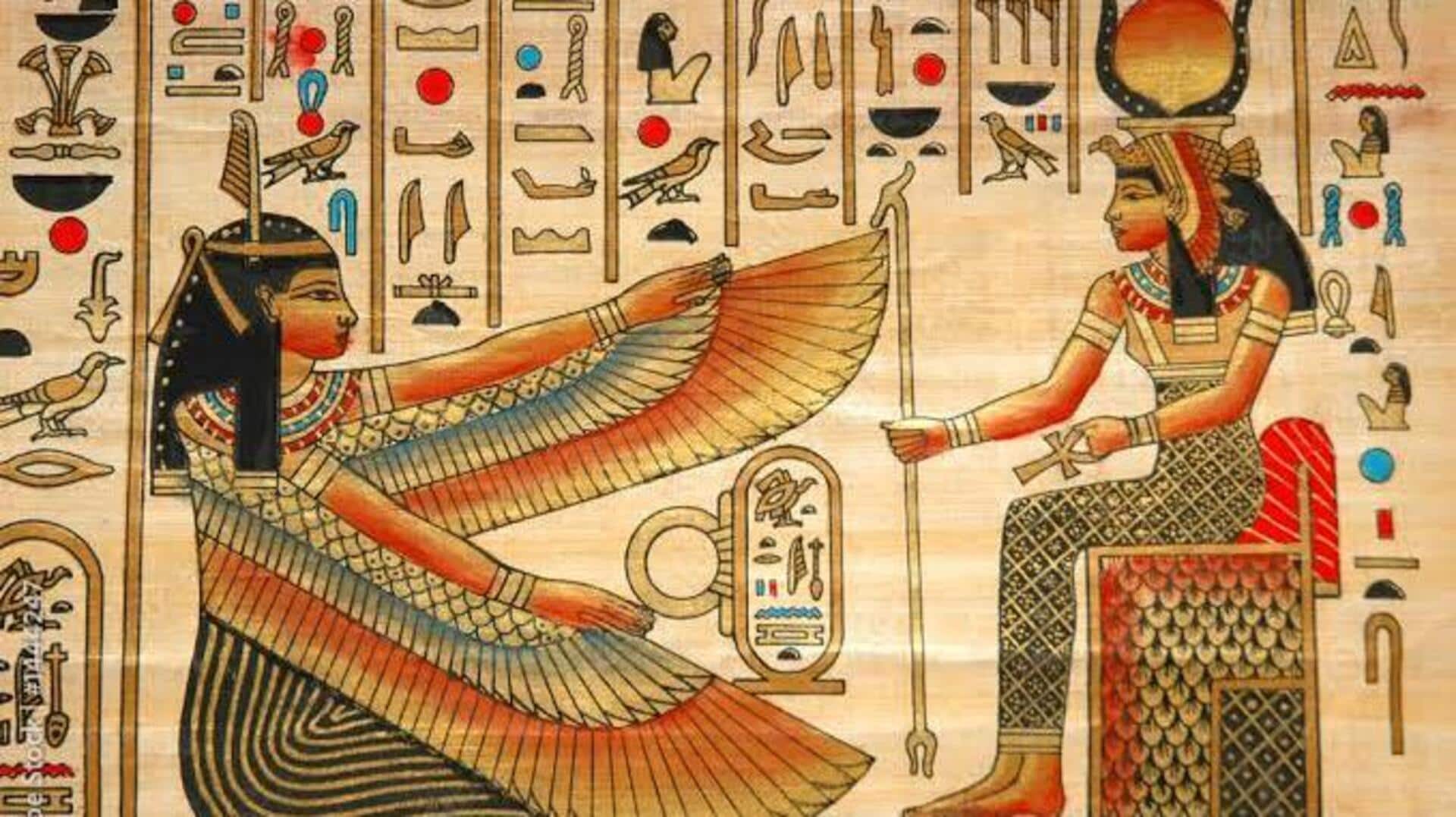
What are papyrus paintings?
What's the story
Creating papyrus paintings with plant-based brushes is an ancient art form that connects us to nature. This technique uses natural materials to create beautiful, intricate designs on papyrus paper. By using plant-based brushes, artists can achieve unique textures and effects that synthetic brushes may not replicate. The process is eco-friendly and allows for a deeper appreciation of the materials sourced from our environment.
Plant selection
Choosing the right plants for brushes
Selecting the right plants is key to making effective brushes for papyrus painting.
Soft, flexible leaves or stems make for great brush bristles.
Commonly used plants include bamboo, palm fronds, and various grasses.
Each plant gives a different texture and stiffness to the brush, allowing artists to experiment with different styles and techniques.
Brush preparation
Preparing plant-based brushes
Preparing plant-based brushes requires careful handling to retain their natural properties.
Cut the selected plant material into appropriate lengths, and bind them tightly at one end using string or twine.
This forms the brush head while leaving enough length for a comfortable grip.
Properly prepared brushes ensure consistent application of paint on papyrus.
Painting techniques
Techniques for painting on papyrus
Once your plant-based brushes are ready, you can start painting on papyrus.
Use light strokes for delicate details, and firmer pressure for bold lines.
Experiment with different angles and amounts of paint on your brush to create varied effects.
Practice layering colors by allowing each layer to dry before adding more details.
Tool care
Caring for your tools and artwork
Proper care of both your plant-based brushes and finished artworks is essential to longevity.
After use, clean the brushes by rinsing them in water without harsh chemicals that could damage their fibers over time.
Store them flat or hanging up, away from direct sunlight or moisture exposure that could warp or degrade their quality over time.