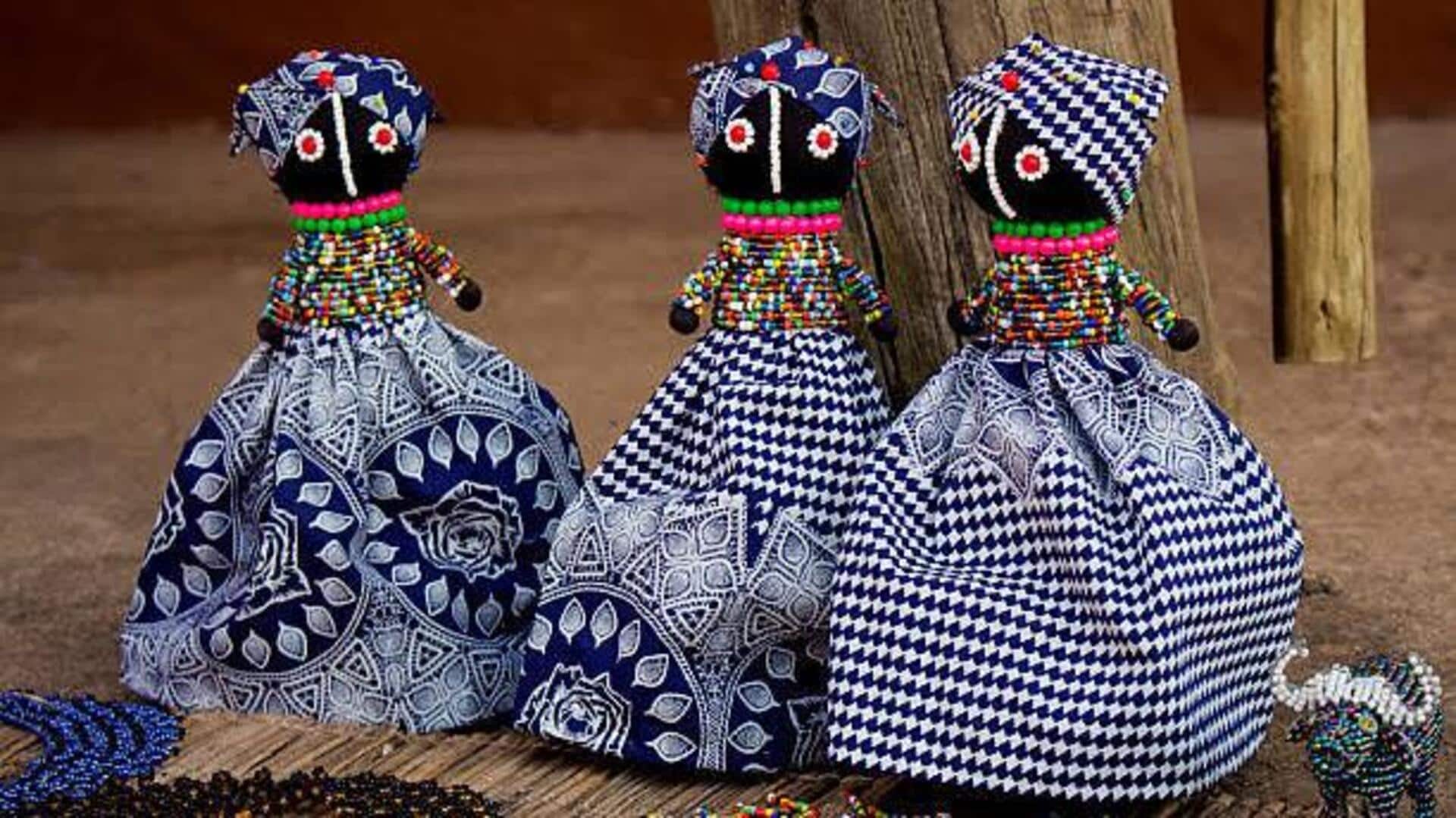
How to make beautiful cloth dolls at home
What's the story
African cloth dolls are a traditional craft that celebrates the continent's rich cultural heritage. These dolls are made using vibrant fabrics and intricate designs, reflecting the diverse cultures of Africa. Crafting these dolls can be a rewarding experience, allowing you to connect with African traditions while honing your crafting skills. Whether you are a beginner or an experienced crafter, making African cloth dolls offers a unique opportunity to explore this art form.
#1
Choosing the right materials
Selecting appropriate materials is key to crafting authentic African cloth dolls.
Start with colorful fabrics like kente or ankara, which are commonly used in African textiles.
You will also need sewing essentials like needles, threads, and scissors. Consider using natural fibers for an authentic touch.
The choice of materials will affect the doll's appearance and durability.
#2
Understanding traditional designs
Traditional designs on African cloth dolls often have cultural significance.
Research various patterns and symbols used in different regions of Africa.
Each design may tell a story or represent a particular aspect of life or belief system in that culture.
Understanding these designs will help you create more meaningful and authentic dolls.
#3
Mastering sewing techniques
Sewing techniques are critical for bringing your doll to life.
Start with basic stitches like running stitch and backstitch before moving on to more complex ones like blanket stitch or whip stitch.
Practice makes perfect, so do not hesitate to try out different techniques until you find what works best for your doll's construction.
#4
Adding unique features
Personalizing your African cloth doll with unique features can make it special.
Think about adding accessories like beads or jewelry made from natural materials such as wood or clay.
You can also experiment with hairstyles using yarn or thread for added texture and detail.
These elements not only enhance the visual appeal but also pay homage to traditional styles found across various African communities.