All about Nigerian textile art
What's the story
Adire, the traditional Nigerian textile art, is created using resist-dyeing techniques. The craft, which hails from the Yoruba people, makes use of natural dyes and unique patterns to create vibrant fabrics. The process is a blend of creativity and cultural heritage, with each piece telling a story. Learning to create adire designs can be a rewarding experience, connecting you to Nigeria's rich artistic traditions.
Technique 1
Understanding resist-dyeing techniques
Resist-dyeing is the core of adire production.
In this technique, certain areas of the fabric are prevented from absorbing dye by using wax or tying them tightly.
When the fabric is dipped into dye, only the unprotected areas get colored. This creates intricate patterns on the fabric.
The technique requires precision and patience, as each step must be carefully executed to achieve desired results.
Technique 2
Exploring natural dyes
Natural dyes are an integral part of adire making. These dyes are sourced from plants and minerals, giving the fabrics their unique colors.
Indigo is commonly used for its deep blue shade, while leaves and roots from local plants provide other colors, like brown and yellow.
Using natural dyes not only makes the process eco-friendly but also gives the textiles a rich cultural significance.
Technique 3
Creating unique patterns
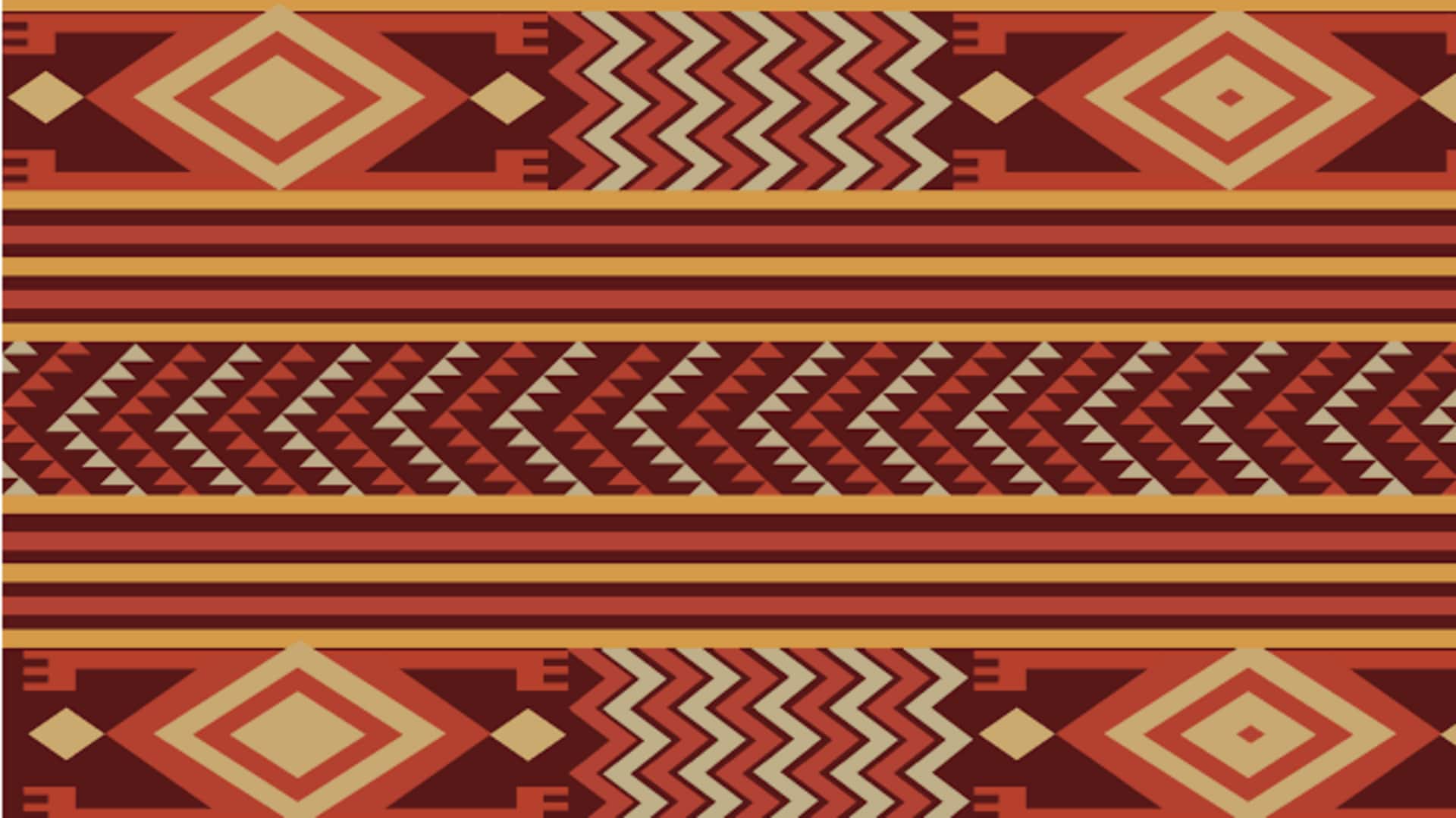
Patterns in adire are not just decorative but also symbolic. Common designs include spirals, zigzags, and geometric shapes that reflect different aspects of Yoruba culture.
To create these patterns, artisans often use stencils or freehand techniques with wax or tie methods before dyeing the fabric.
Each pattern has its own meaning and can be chosen based on personal preference or cultural significance.
Tip 1
Tips for beginners
For beginners interested in making adire designs, starting with simple patterns can help build confidence in the craft.
Using readily available materials like cotton fabric and natural dyes ensures accessibility without compromising authenticity.
Practicing basic techniques, such as tying knots or applying wax, will lay a solid foundation for more complex designs as skills improve over time.