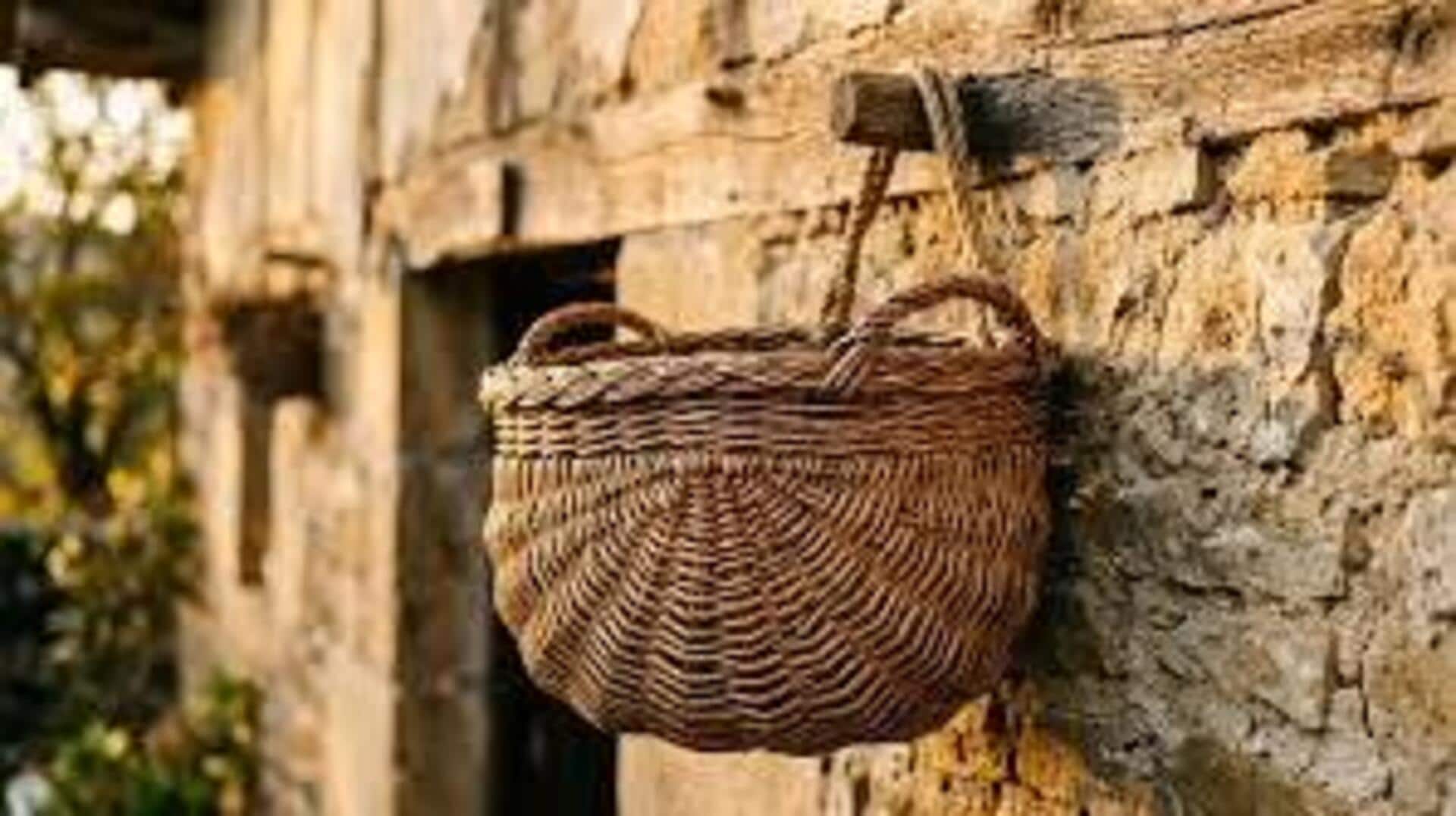
DIY: How to make sisal baskets
What's the story
Crafting vibrant sisal baskets is an age-old African tradition, which has been passed down generations. The art of weaving these baskets is not only a cultural expression but also a means of livelihood for many communities. Made from natural fibers, these baskets are known for their durability, intricate designs, and colorful patterns. Here is a look at the process of creating these colorful masterpieces and how they reflect the rich heritage of Africa.
#1
Selecting quality sisal fibers
Choosing the right sisal fibers is the first step in crafting a sturdy basket.
The fibers must be fresh and free of any blemishes or defects. Freshly harvested sisal is preferred as it is more pliable and easier to work with.
Artisans usually prefer to source their materials from local suppliers who understand the quality requirements for basket weaving.
#2
Mastering traditional weaving techniques
Traditional weaving techniques are key to making authentic African sisal baskets.
The methods differ from region to region, but all of them require patience and precision.
Artisans usually learn these techniques from elders in their communities, ensuring that the knowledge is preserved through generations.
Mastering these techniques takes years of practice, but results in beautiful patterns and designs.
#3
Incorporating vibrant colors
Adding vibrant colors to sisal baskets is what makes them stand out.
Natural dyes from plants, roots, and leaves are used to color the fibers before weaving.
The colors not only add beauty but also have cultural significance in different African communities.
Artisans choose colors based on personal preference or traditional symbolism associated with each hue.
#4
Understanding market demand
Knowing the market demand is essential for selling sisal baskets successfully.
While some buyers look for traditional designs, others may want modern styles with a touch of African flair.
Keeping an eye on market trends helps artisans adapt their creations to suit buyer preferences, without losing their cultural identity.