All about Congolese wood carving
What's the story
Congolese wood carving is a centuries-old art form, famous for its intricate designs and cultural significance. The craft, which is passed down generations, is an integral part of the region's heritage. Learning this art requires patience, dedication, and a keen eye for detail. Here are some practical tips to master Congolese wood carving techniques, focusing on essential tools, understanding cultural significance, practicing techniques, and preserving the art form.
Tip 1
Essential tools for carving
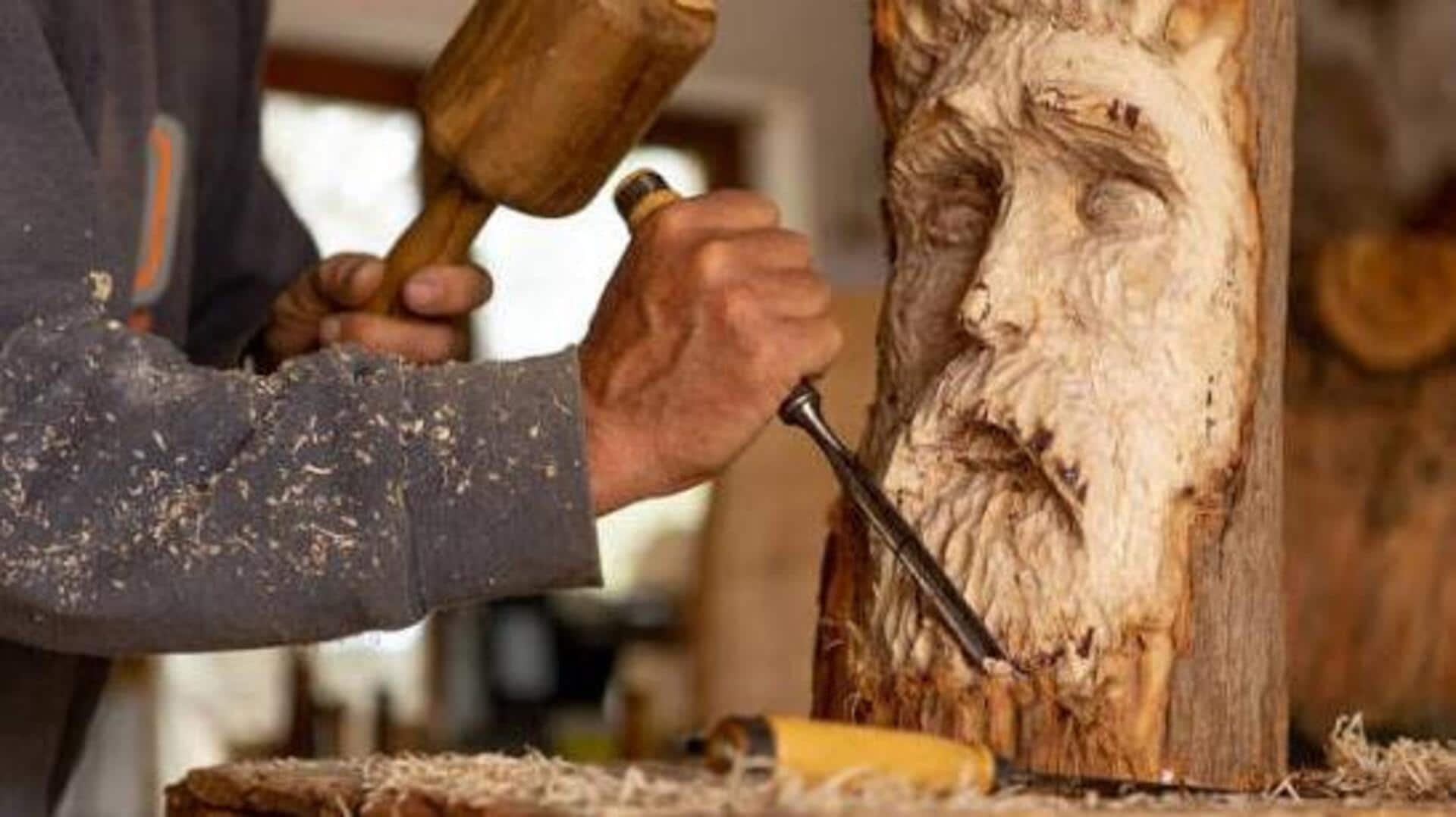
To start with Congolese wood carving, you need to have basic tools such as chisels of different sizes, mallets, and rasps. Each tool serves a unique purpose in shaping the wood. A sharp chisel is essential for precise cuts, while a mallet helps apply force without damaging the tool's edge. Investing in quality tools ensures durability and effectiveness in your carving projects.
Tip 2
Understanding cultural significance
Understanding the cultural significance behind Congolese carvings is key to mastering this art. Each piece often tells a story or represents an aspect of daily life or spiritual beliefs in Congolese culture. Researching these stories can give deeper insights into traditional motifs and themes used by artisans. This knowledge not only enriches your carvings but also pays homage to their cultural roots.
Tip 3
Practicing basic techniques
Start by practicing basic techniques like smoothing surfaces with rasps or creating simple patterns with chisels. Consistent practice helps develop muscle memory and improves precision over time. Focus on mastering one technique before moving on to more complex designs. Regularly reviewing your work allows you to identify areas for improvement.
Tip 4
Preserving traditional methods
While innovation has its place in modern artistry, preserving traditional methods of Congolese wood carving is key. This means sticking to age-old techniques and designs that have been passed down through generations. It not only keeps the cultural heritage alive, but also gives the future generations a chance to learn and appreciate the art form in its authentic state.