Easy afternoon tea rules everyone should know
What's the story
Afternoon tea is an age-old tradition that combines elegance with social interaction. Knowing the etiquette of afternoon tea can elevate your experience and make you a gracious host or guest. From the right way to hold a teacup to the order of serving, each aspect contributes to the charm of this ritual. Here are five essential tips to help you navigate afternoon tea like a pro.
Tip 1
Know your teas
Understanding different types of tea is key to enjoying afternoon tea.
Black teas are usually served, as they go well with milk, while green and herbal teas are also popular choices.
Knowing the flavors and aromas of each type can help you pick the right one for your palate.
Asking for recommendations based on taste preferences can enhance your experience.
Tip 2
Master the art of pouring
Pouring tea correctly is an important part of afternoon tea etiquette.
Always pour the tea before adding milk, as this helps maintain its flavor profile.
Hold the teapot by its handle, and pour gently into each cup, making sure not to overfill them.
This simple act shows respect for tradition and consideration for fellow guests.
Tip 3
Handle teacups with grace
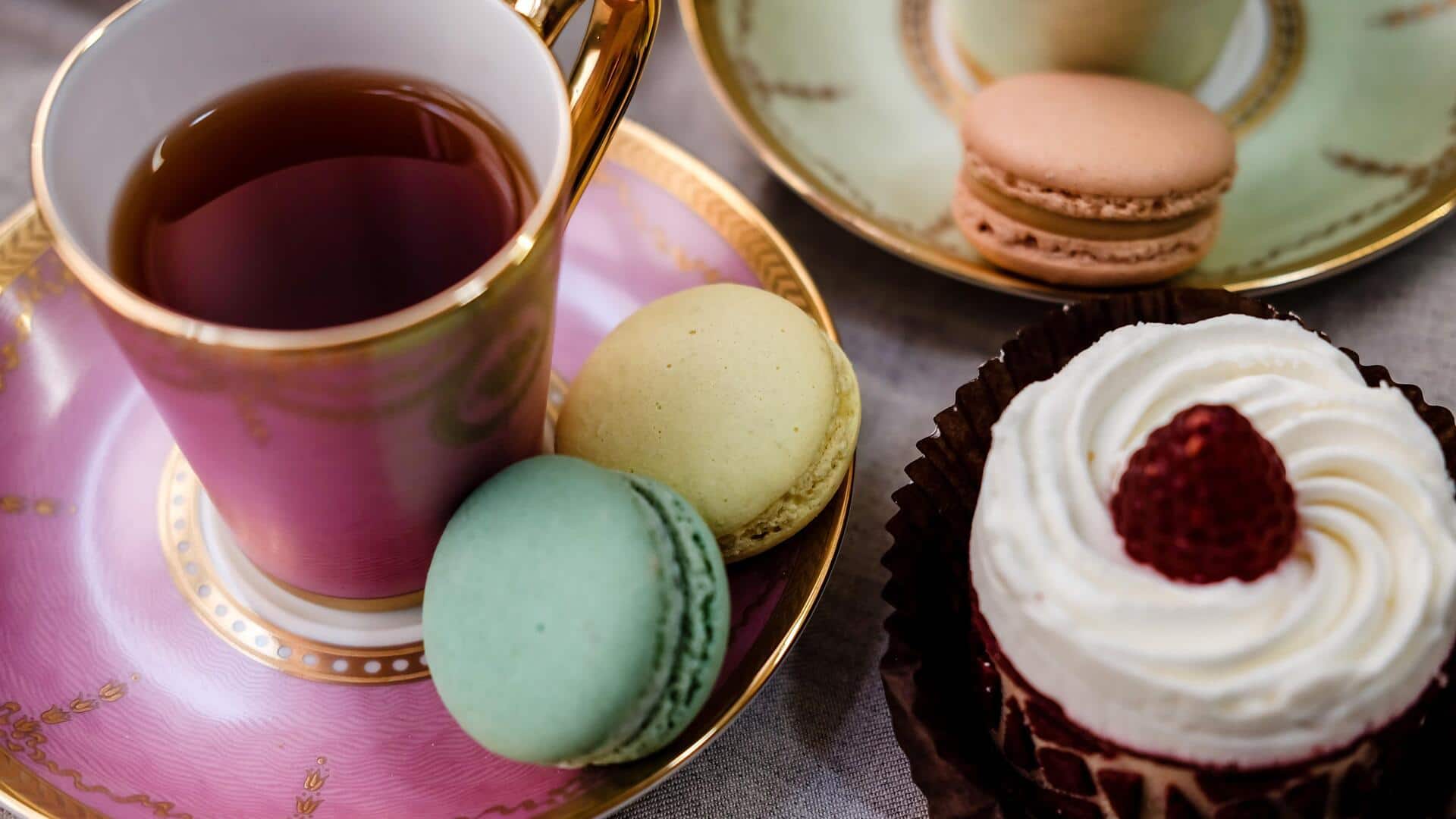
The way you handle a teacup speaks volumes about your manners during afternoon tea.
Always hold the cup by its handle with your thumb and index finger, keeping your fingers away from the rim.
When drinking, raise the cup gently toward your lips without slurping or making noise.
Tip 4
Understand scone etiquette
Scones are an integral part of afternoon tea, and knowing how to eat them properly is important.
Break scones apart with your hands instead of cutting them with a knife.
Spread butter first, followed by jam or cream, according to personal preference, but never mix them on one scone.
Tip 5
Mind your conversation topics
Conversation during afternoon tea should be light-hearted and inclusive, avoiding controversial topics like politics or religion that could make guests uncomfortable.
Focus instead on neutral subjects such as travel experiences or shared interests related to literature or art, ensuring everyone feels included in pleasant dialogue throughout this social occasion.