How traditional textiles are inspiring digital art
What's the story
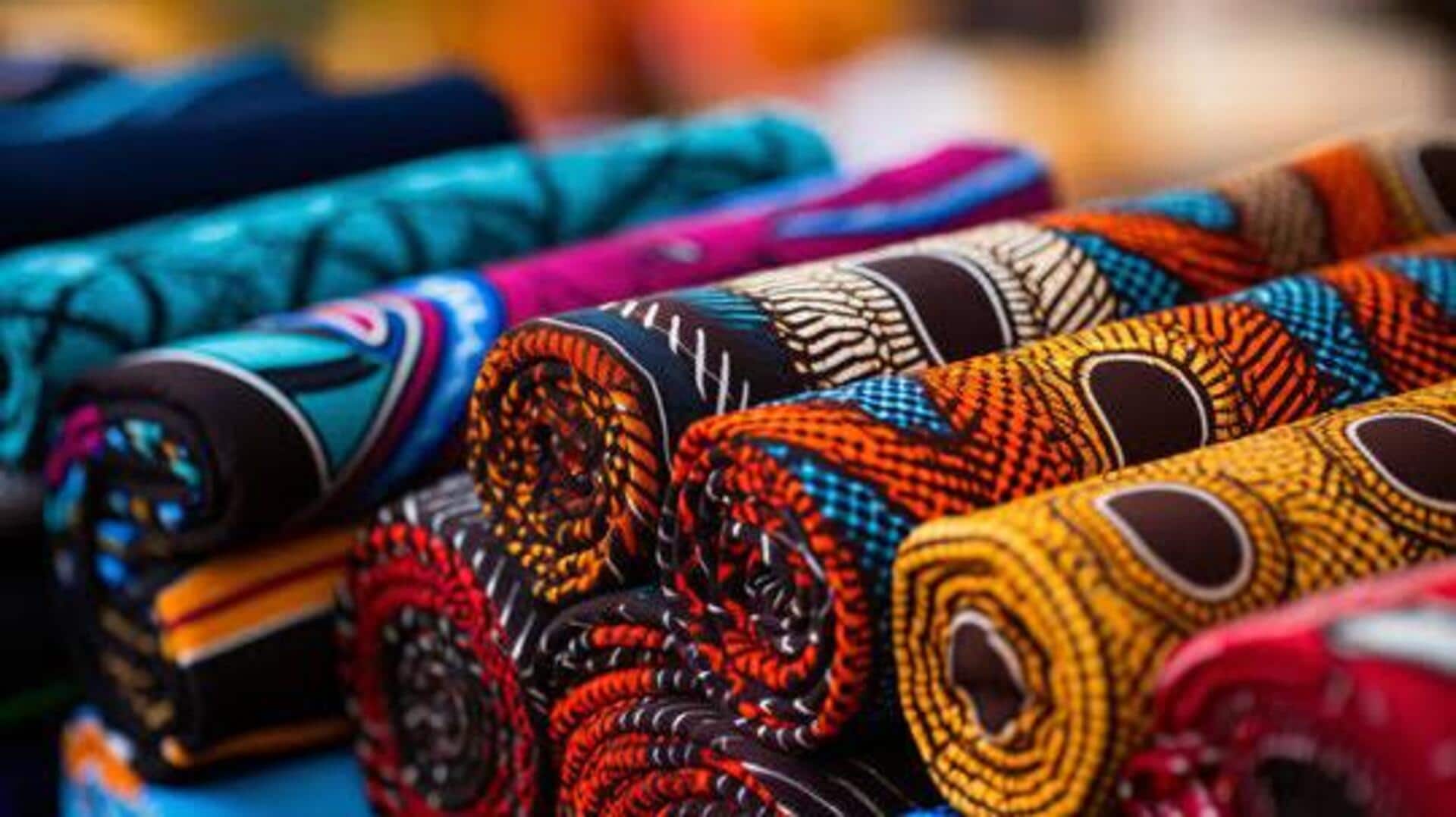
African mud cloth, or bogolanfini, is an ancient textile art form from Mali. Traditionally, artisans create these fabrics by dyeing them with fermented mud and natural dyes, creating intricate patterns. Today, artists and designers are exploring the use of mud cloth patterns in digital art. This fusion of traditional and modern techniques offers new avenues for creativity and cultural expression.
Pattern insights
Understanding mud cloth patterns
Mud cloth patterns are rich in symbolism and history. Each design tells a story or represents a particular meaning, often linked to the wearer's identity or social status.
The geometric shapes and motifs are carefully crafted using natural materials, making each piece unique.
In digital art, these patterns can be replicated or reimagined to create visually striking compositions that pay homage to their cultural roots.
Digital methods
Techniques for digital adaptation
To incorporate mud cloth into digital art, artists can use software like Adobe Illustrator or Photoshop.
These tools allow for precise manipulation of shapes and colors, making it easy to replicate traditional designs or create new interpretations.
Artists can experiment with different color palettes and scales while maintaining the integrity of the original patterns.
Design uses
Applications in modern design
Mud cloth patterns have found their way into various modern design applications, from fashion to interior decor.
Designers use these motifs in clothing lines, accessories, wallpapers, and textiles.
The versatility of mud cloth makes it suitable for both bold statements and subtle accents in any design project.
Cultural impact
Cultural significance in contemporary art
The integration of mud cloth into contemporary art also highlights its cultural significance.
By showcasing these patterns in new mediums, artists help preserve this traditional craft while introducing it to wider audiences.
This cross-cultural exchange enriches global art scenes by fostering appreciation for diverse artistic traditions.