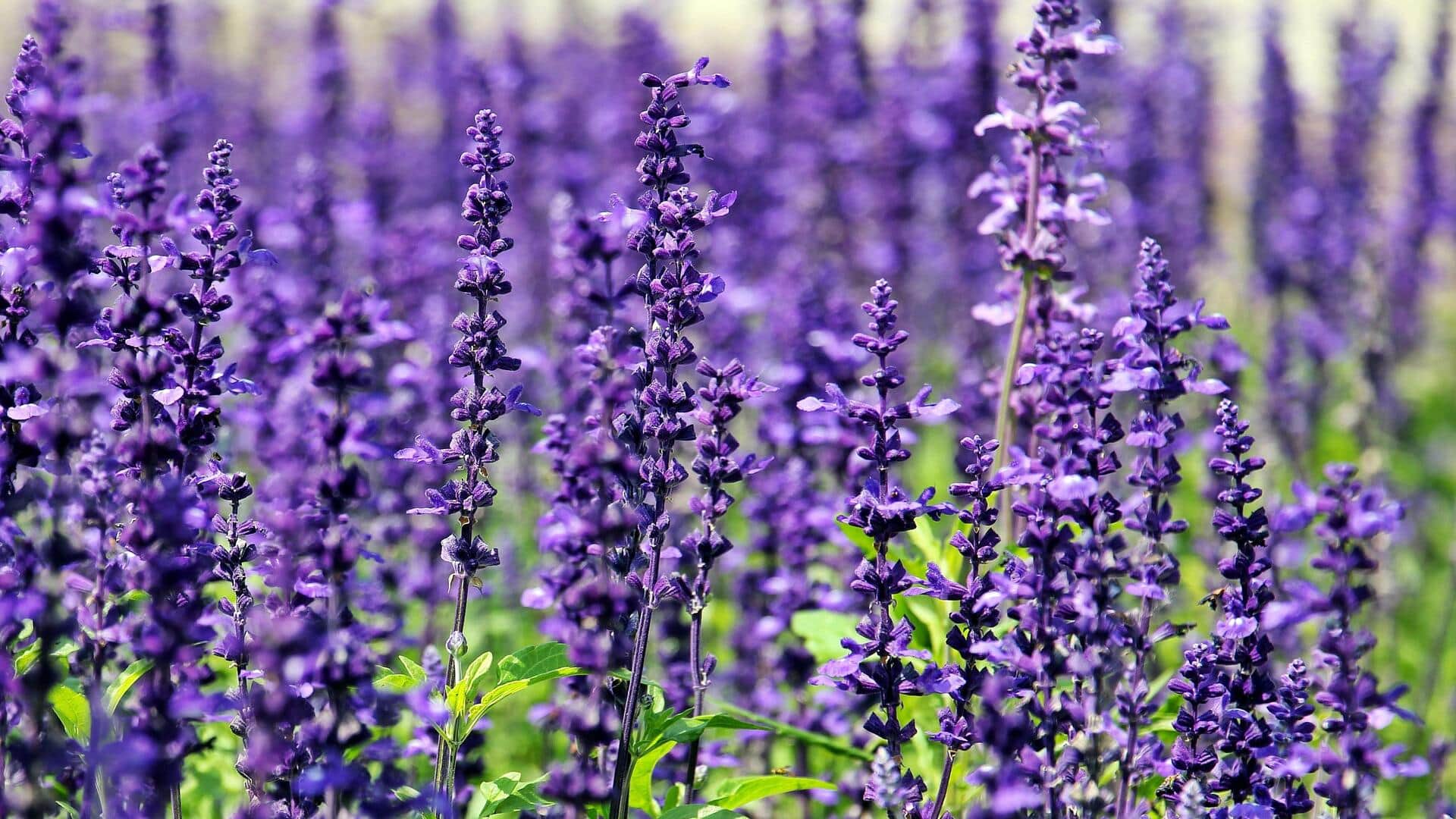
Cook with flowers? Try these 5 edible ones
What's the story
Edible flowers have been a part of traditional culinary practices for centuries, adding flavor and color to dishes. They provide a natural way to enhance the taste and appearance of food without artificial additives. From salads to desserts, these flowers can be used in a variety of ways to make your meals more appealing and nutritious. Here are some tips on how to use edible flowers in your cooking.
Dish 1
Nasturtiums: A peppery twist
Nasturtiums have a peppery flavor, similar to watercress. They make an excellent addition to salads or as a garnish on soups.
The leaves and flowers are both edible, giving a vibrant splash of color to your dish.
You can also use them as an ingredient in pesto or as a topping on sandwiches for an extra kick.
Dish 2
Calendula: The poor man's saffron
Calendula petals are often referred to as "poor man's saffron" owing to their vibrant yellow-orange hue.
They have a mild, slightly tangy flavor that goes well with rice dishes, soups, and stews.
You can use calendula petals to replace saffron in recipes or simply sprinkle them over pasta for a colorful touch.
Dish 3
Lavender: Sweet and aromatic addition
Lavender is famous for its sweet aroma and subtle floral taste. It is commonly used in desserts such as cookies, cakes, and ice creams.
Just be careful while using lavender, as its strong flavor can easily overpower other ingredients.
A little goes a long way; just use sparingly for the best results.
Dish 4
Pansies: Colorful garnish option
Pansies are available in a variety of colors and have a mild, grassy flavor.
They make an excellent garnish for desserts like cakes or puddings, and can also be added to drinks like lemonade or iced tea for a pop of color.
Pansies are safe to eat and can be used generously without affecting the taste much.
Dish 5
Roses: Classic floral flavor
Roses are not just beautiful but also delicious when used in cooking.
Rose petals have a sweet, fragrant flavor that goes well with desserts like jams, jellies, and syrups.
They can also be candied and used as toppings on cakes or added to salads for an aromatic touch.