How to weave stylish sisal baskets
What's the story
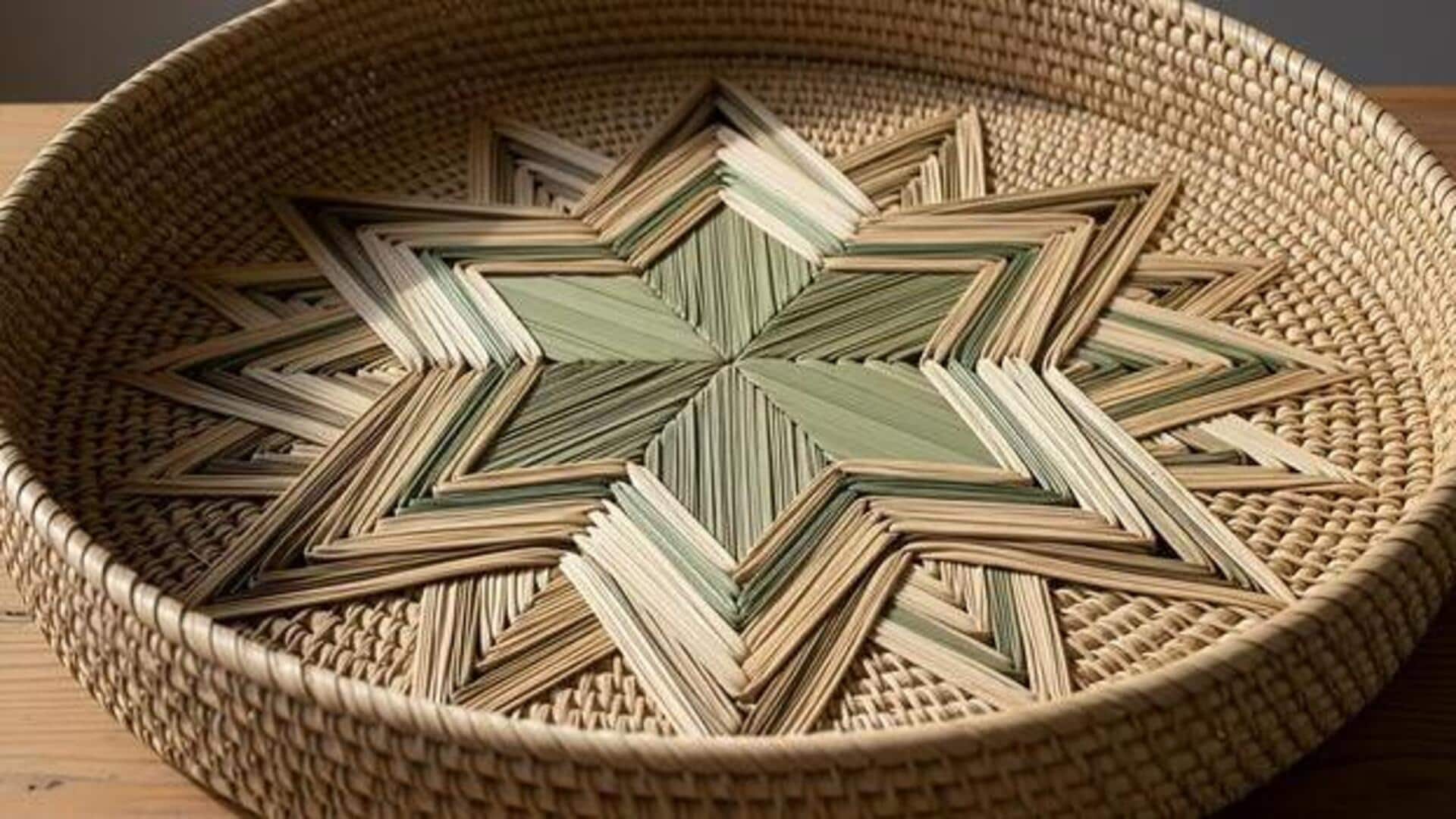
African-inspired sisal baskets are a beautiful blend of tradition and modernity. Made from the durable sisal plant, these baskets are not just functional but also a work of art. They are often characterized by colorful patterns and intricate designs that reflect the rich cultural heritage of Africa. With their eco-friendly nature and versatility, these baskets have become a global favorite for home decor and storage solutions.
Weaving techniques
The art of sisal weaving
Sisal weaving is an age-old craft passed down generations. The process involves twisting and interlacing sisal fibers to create sturdy structures.
Artisans often use traditional methods, ensuring each basket is unique.
The techniques vary across regions, with some focusing on geometric patterns, while others incorporate more abstract designs.
Patterns & designs
Colorful patterns and designs
One of the most striking features of African-inspired sisal baskets is their vibrant colors and intricate patterns.
These designs often draw inspiration from nature, tribal symbols, or everyday life.
The use of natural dyes ensures that the colors are both vivid and eco-friendly.
Each pattern tells a story or represents a cultural significance, making every basket a conversation piece.
Home decor uses
Versatility in home decor
These baskets are incredibly versatile when it comes to home decor.
They can be used as storage solutions in living rooms or bedrooms, or as planters for indoor plants.
Their aesthetic appeal makes them suitable for both modern and traditional interiors.
Plus, they add texture and warmth to any space, without compromising on style.
Sustainability focus
Sustainable craftsmanship
The production of sisal baskets also emphasizes sustainability, as the sisal plant is grown without the use of harmful chemicals or pesticides. This makes the process environmentally friendly.
Artisans also contribute to local economies by creating jobs in their communities.
This practice promotes sustainable development, and it helps preserve traditional crafts for future generations.