Why Iceland's most famous waterfalls may not be worth visiting
What's the story
Iceland is famous for its stunning landscapes, particularly its waterfalls. While some of these natural wonders are often touted as must-visit spots, not all live up to the hype. This article delves into some of Iceland's most overrated waterfalls, giving insights into why they may not be worth the visit. By knowing these places better, travelers can make informed decisions about their itinerary.
#1
Gullfoss: A crowded disappointment
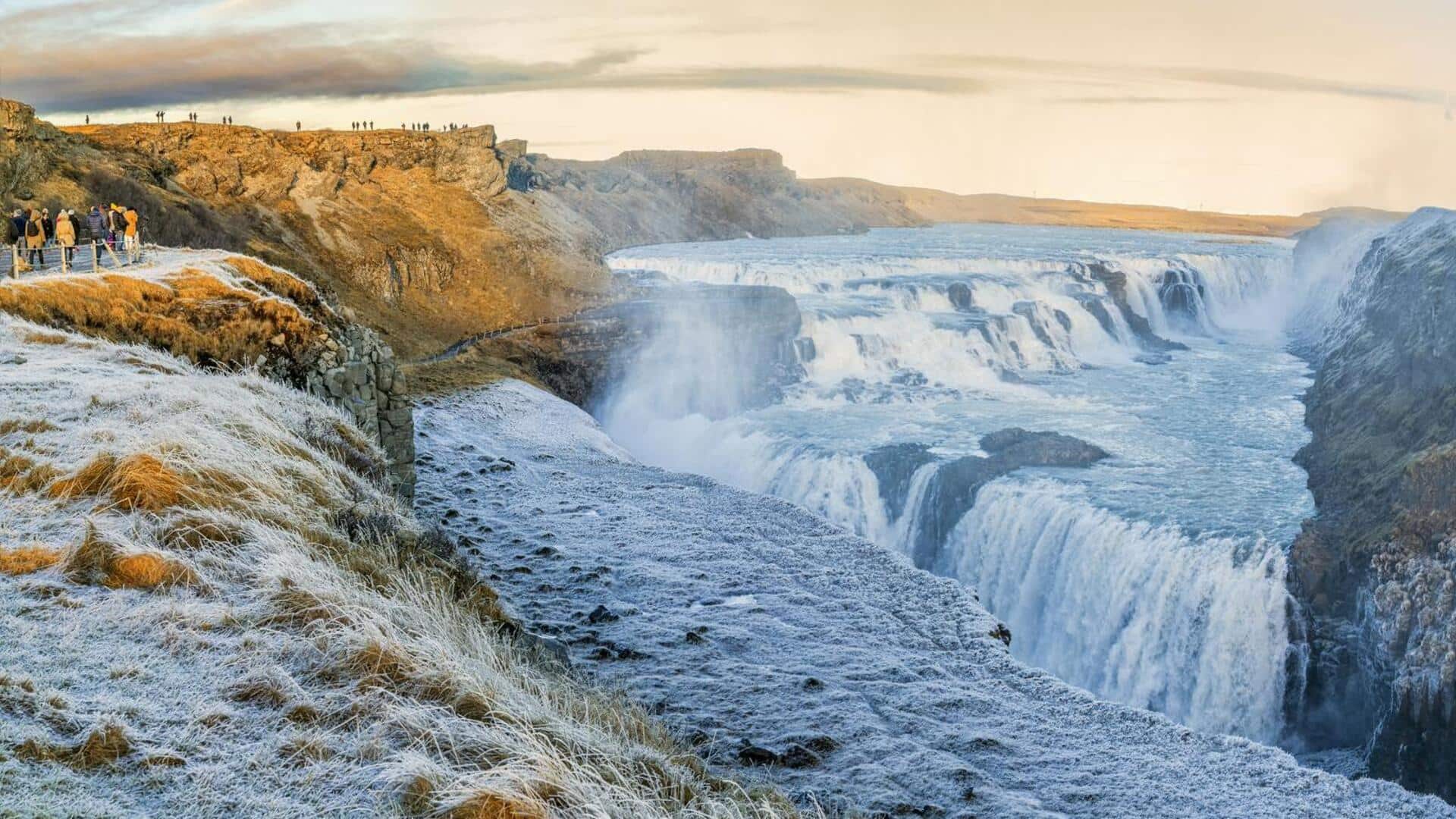
Gullfoss is one of Iceland's most famous waterfalls, but it can be extremely crowded during peak tourist seasons.
The constant flow of tourists can take away from the experience of witnessing this powerful waterfall in its full glory.
Further, the surrounding area can get slippery and muddy, making it less than ideal for leisurely walks or photography sessions.
For those looking for solitude and serenity, Gullfoss may not be the best choice.
#2
Skogafoss: More hype than substance
Skogafoss is another popular waterfall that draws a lot of visitors due to its impressive height and width.
However, some travelers find it underwhelming compared to other natural wonders in Iceland.
The constant mist from the falls can make viewing difficult at times, and the nearby viewing platform can get crowded with tourists snapping photos.
For those seeking unique experiences off the beaten path, there are better options than Skogafoss.
#3
Seljalandsfoss: Wet and windy experience
While Seljalandsfoss is famous for its unique feature of allowing visitors to walk behind the waterfall, it can be an uncomfortable experience during windy or rainy days.
The path behind the falls often gets wet and slippery, posing safety risks for visitors who attempt to walk through without proper footwear or caution.
For those who prefer dry conditions and less risky adventures, other waterfalls in Iceland may offer more enjoyable experiences.
#4
Dettifoss: Remote location challenges
Dettifoss is Europe's most powerful waterfall by volume but is located in a remote part of Vatnajokull National Park, which makes it difficult to reach during winter months when roads are closed due to snow and ice conditions.
The journey requires careful planning ahead with respect to weather forecasts, as well as road accessibility updates from local authorities before setting out on this adventure.