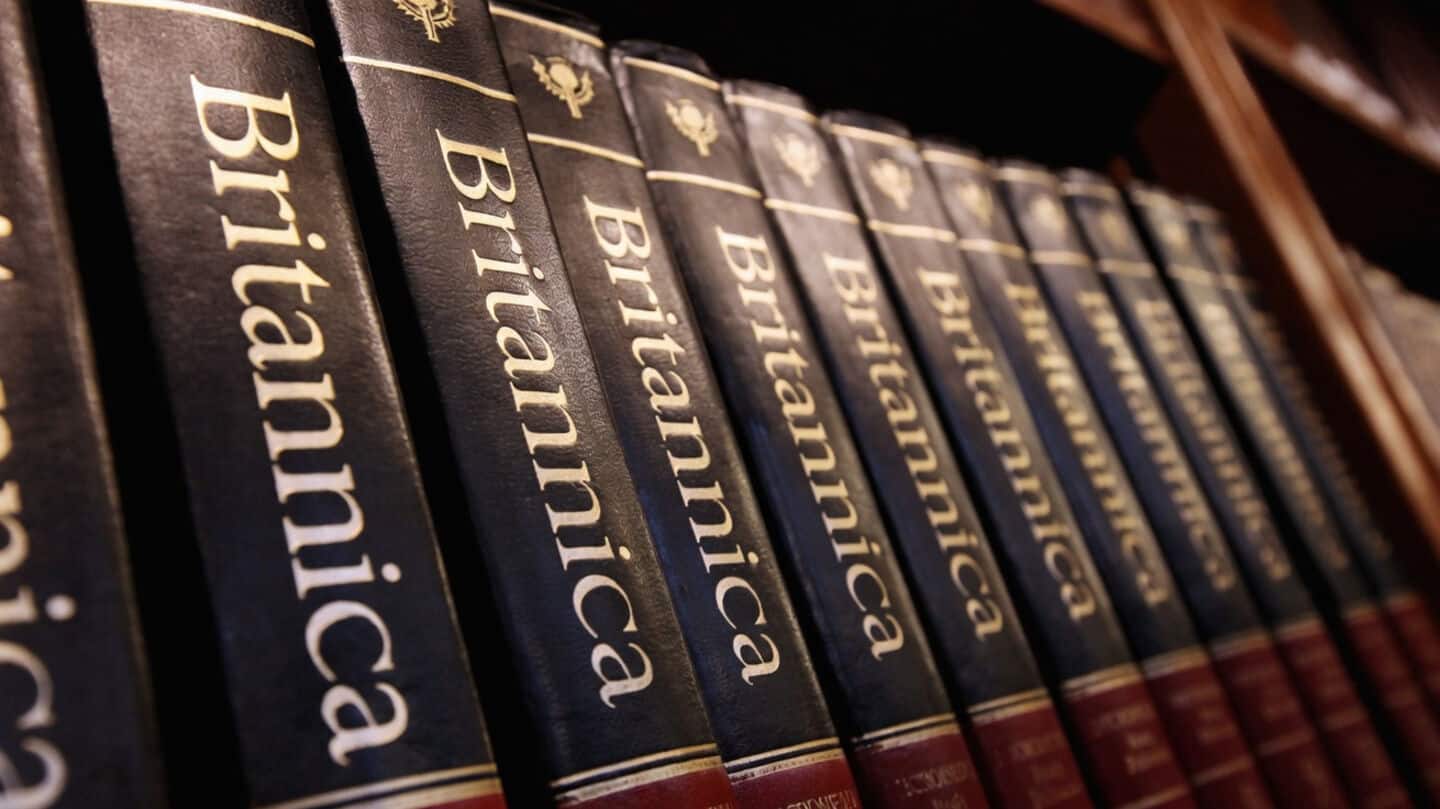
Britannica sues OpenAI, says ChatGPT copied its encyclopedia
What's the story
Encyclopedia Britannica and its dictionary arm Merriam-Webster have sued OpenAI, alleging that the tech giant used their copyrighted material to train its artificial intelligence models. The lawsuit was filed in a Manhattan federal court on Friday. Britannica claims that OpenAI misappropriated its online articles, encyclopedic entries and dictionary definitions for training purposes without permission.
Traffic impact
Britannica accuses OpenAI of 'cannibalizing' its web traffic
The lawsuit also accuses OpenAI of "cannibalizing" Britannica's web traffic with AI-generated summaries of its content.
This, Britannica argues, diverts users from visiting its websites.
The case is one among many high-profile lawsuits by copyright owners against tech companies for using their material to train AI systems without permission.
Ongoing litigation
Britannica previously sued AI startup Perplexity AI
Notably, this isn't the first time Britannica has taken legal action over content misuse.
The company had filed a similar lawsuit against AI start-up Perplexity AI last year, which is still pending.
Meanwhile, OpenAI has yet to comment on these latest allegations from Britannica and Merriam-Webster.
Content misuse
Lawsuit claims ChatGPT generates 'near-verbatim' copies of content
The lawsuit details how OpenAI allegedly used nearly 100,000 of Britannica's articles to train its GPT large language models.
It also claims that ChatGPT generates "near-verbatim" copies of Britannica's encyclopedia entries, dictionary definitions and other content.
This practice, Britannica argues, diverts users who would otherwise visit its websites.
Trademark violation
Britannica also alleges trademark infringement by OpenAI
Along with content misuse, Britannica has also accused OpenAI of trademark infringement.
The company alleges that OpenAI has implied it has permission to reproduce its material and wrongfully cited Britannica in false AI "hallucinations."
In light of these allegations, Britannica is seeking an unspecified amount of monetary damages and a court order to block the alleged infringement by OpenAI.