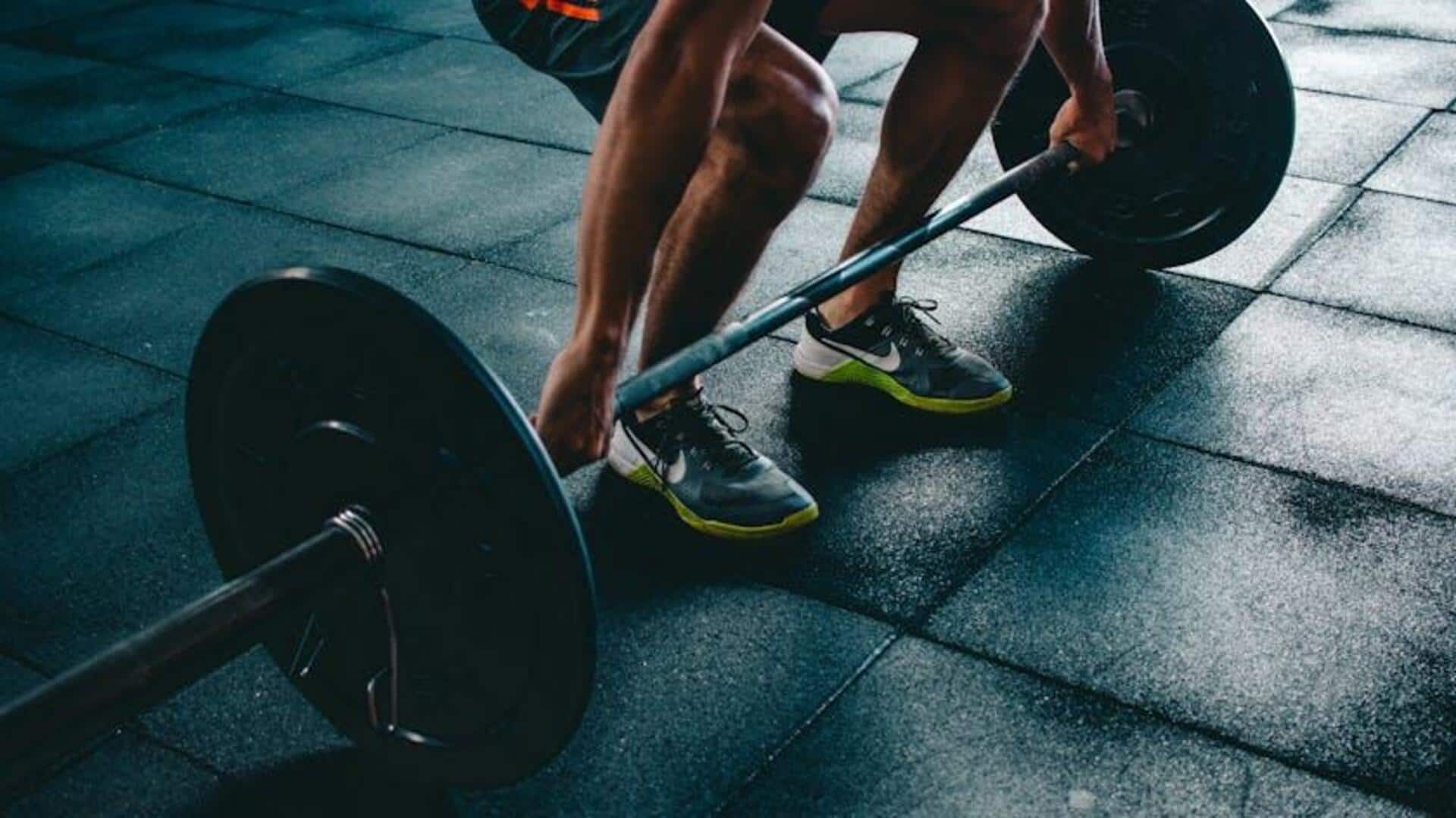
Improve your pelvic muscles with these workouts
What's the story
African workouts, which are deeply rooted in cultural traditions, provide unique exercises to improve pelvic tilt. These workouts are based on natural movements and bodyweight resistance, making them effective for improving core strength and flexibility. By adding these exercises to your routine, you can improve your posture and reduce back pain. Here are some African workouts that specifically target pelvic tilt.
Dance moves
Traditional dance movements
Traditional African dance movements are characterized by rhythmic hip motions and fluid body movements.
These dances require engaging the core muscles, which helps in stabilizing the pelvis.
The repetitive motions of these dances can improve flexibility and strength in the hips and lower back.
Practicing these dance steps regularly can lead to improved pelvic alignment.
Drumming circles
Drumming circle exercises
Drumming circles are a common activity in many African communities.
The act of drumming involves a lot of upper body movement, which helps in engaging the core muscles.
The dynamic motion of playing drums requires balance and coordination, which are essential for maintaining proper pelvic tilt.
Participating in drumming circles not only strengthens the core but also promotes a sense of community.
Nature moves
Nature-inspired movements
Inspired by nature, some African workouts involve movements mimicking animals or natural elements.
These exercises often include squats, lunges, and stretches that target the hips and lower back.
By mimicking natural movements, these exercises help improve flexibility and strengthen the muscles supporting the pelvis.
Community fitness
Community fitness activities
Community fitness activities in Africa usually include group exercises like rope skipping or tug-of-war.
These activities require teamwork and coordination, while also engaging multiple muscle groups at once.
The dynamic nature of such activities helps improve overall body balance and supports proper pelvic alignment through consistent engagement of core muscles.