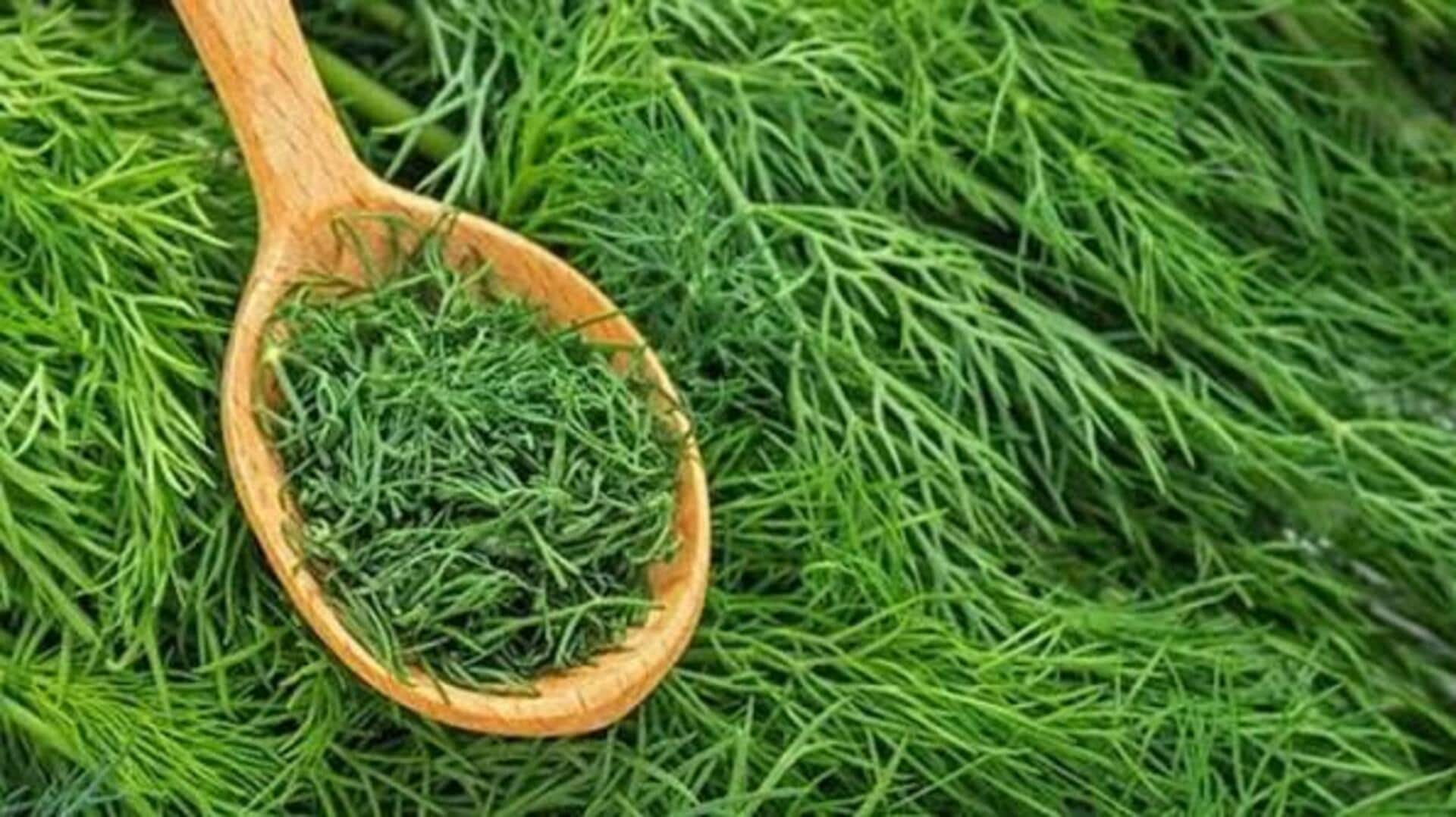
How to grow dill indoors
What's the story
Growing dill indoors can be a rewarding experience, especially for those who love pickling. Dill is an easy herb to grow and adds a unique flavor to pickles. By following certain guidelines, you can ensure your indoor dill thrives all year round. This article provides practical tips on how to grow dill indoors, keeping it healthy and ready for your pickling needs.
Tip 1
Choosing the right container
Selecting an appropriate container is key to successful indoor dill gardening.
Go for pots that are at least six inches deep, with good drainage holes.
This will ensure the soil does not get waterlogged, which can damage the roots.
A clay or ceramic pot is ideal, as it allows air to circulate through the walls, promoting healthy root growth.
Tip 2
Soil and planting essentials
Dill grows best in well-draining soil with a pH of six to seven.
Use a potting mix with added perlite or sand to improve drainage.
Sow seeds about one-fourth inch deep, and keep them spaced two inches apart to allow ample room for growth.
Water lightly after planting, and keep the soil consistently moist but not soggy.
Tip 3
Optimal lighting conditions
Dill needs plenty of light to grow well indoors.
Place your container near a south-facing window, where it can get at least six hours of sunlight every day.
If natural light is insufficient, you can use grow lights for 12 hours a day to make sure your plant gets enough light.
Tip 4
Watering and maintenance tips
Proper watering is key to keeping indoor dill healthy.
Water when the top inch of soil feels dry to touch, but avoid overwatering, as it can cause root rot.
Trim any yellowing leaves regularly, and consider rotating the pot every few weeks so that all sides get equal light exposure.
Tip 5
Harvesting your indoor dill
You can start harvesting your indoor-grown dill once the plants are about eight inches tall and have developed several fronds.
Use scissors or sharp shears to snip off leaves from the outer stems, leaving inner ones intact for continued growth.
Regular harvesting encourages bushier plants, ensuring a steady supply of fresh herbs for your pickling recipes.