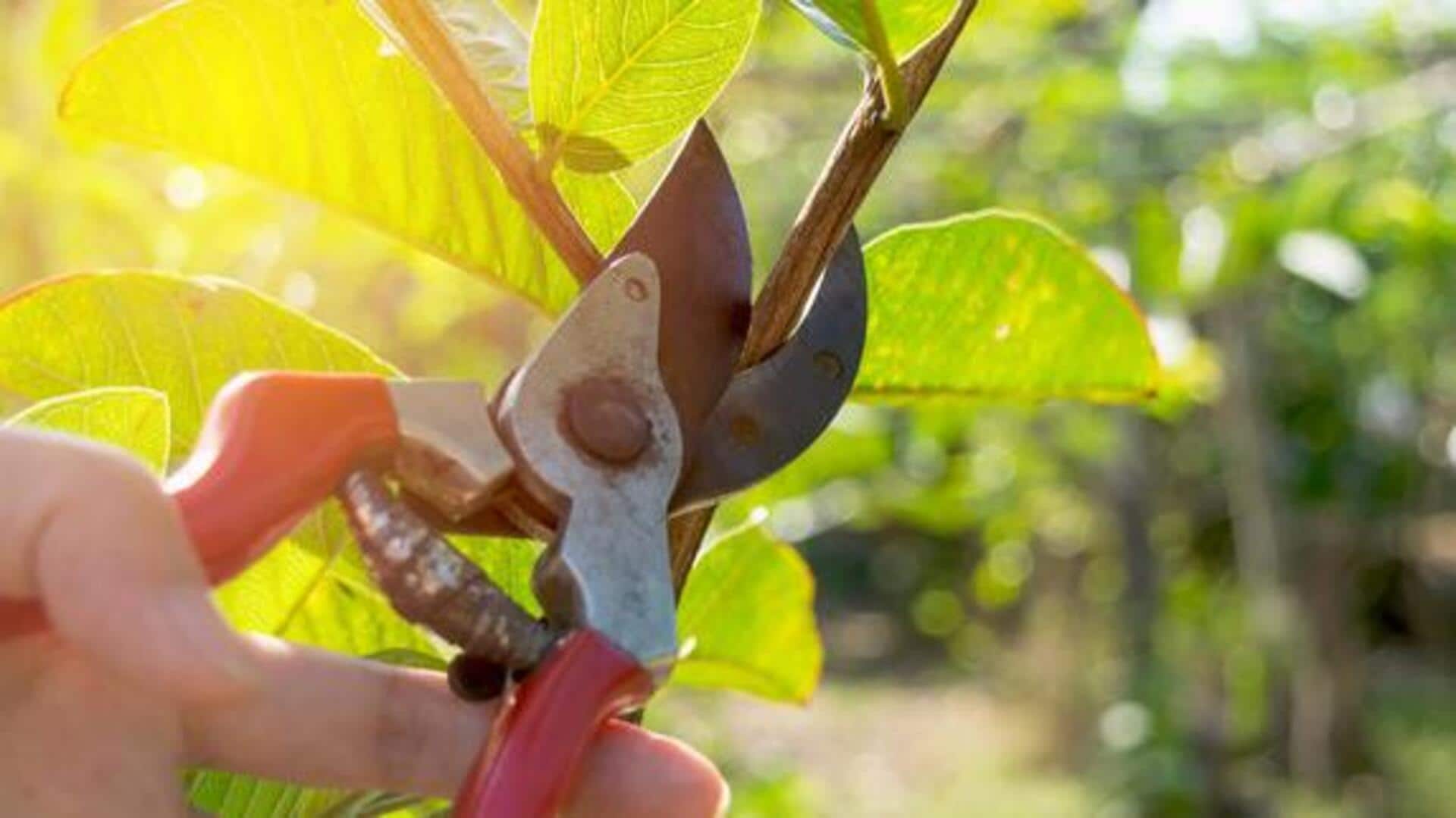
Pruning indoor plants: Essential dos and don'ts
What's the story
Indoor plant pruning can be a tricky business. If done wrong, it can ruin the health and growth of your plants. Knowing the common mistakes can help you keep your indoor garden thriving. Here are five common pruning mistakes that indoor gardeners often make, and how to avoid them for healthier plants.
Timing error
Pruning at the wrong time
Pruning at the wrong time can hinder plant growth. Most indoor plants flourish when pruned during their dormant phase, usually in the late winter or early spring. If you prune during active growth, you may end up stunting growth or causing unnecessary stress. It's important to know your plant's specific needs and timing to ensure optimal health.
Tool mistake
Using dull tools
Using dull tools is a common mistake that can cause more harm than good. Dull tools tend to crush stems instead of making clean cuts, which can lead to infection and slow healing. Always make sure your pruning tools are sharp and sanitized before use to ensure clean cuts and reduce the risk of disease transmission.
Excessive cutback
Over-pruning your plants
Over-pruning is a common mistake that can leave plants weak and vulnerable. Removing too many leaves or stems at once deprives the plant of necessary energy reserves, affecting its ability to photosynthesize effectively. It's best to prune conservatively, removing only what is necessary to encourage healthy growth without shocking the plant.
Structural oversight
Ignoring plant structure
Ignoring a plant's natural structure while pruning can lead to an unbalanced appearance and hindered growth. Each plant species has its own growth habits and requirements; understanding these is crucial for proper shaping and support. Take time to learn about your plant's specific needs before making any cuts.
Hygiene oversight
Not cleaning cuts properly
Properly cleaning cuts is essential to prevent infections in plants after pruning. This is done by applying a suitable sealant or pruning compound on exposed areas immediately after cutting. This prevents pathogens from entering through open wounds on stems or branches. This is particularly important during the warmer months when the risk of infection is higher due to increased activity levels among pests and diseases in indoor environments.