What is ink art in textiles?
What's the story
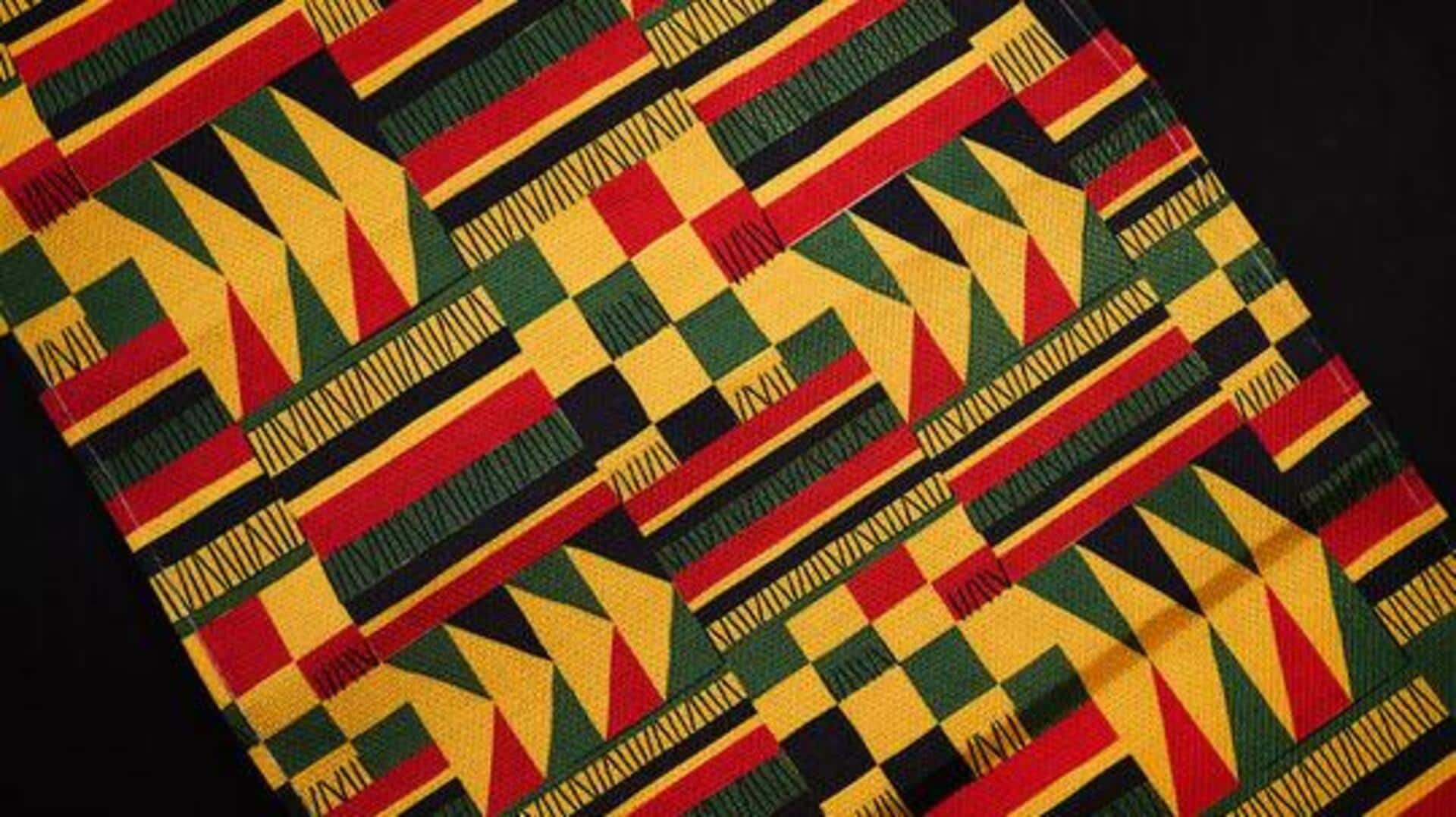
Ugandan bark cloth, a traditional textile, is getting a modern twist with the introduction of ink art. This fusion of ancient craft and contemporary design is revolutionizing the way this cultural fabric is perceived and used. The result is an innovative blend that preserves the heritage while appealing to modern aesthetics. Here is how ink art is transforming Ugandan bark cloth.
#1
The history of Ugandan bark cloth
Bark cloth has been a part of Ugandan culture for centuries. Made from the inner bark of trees, it is a versatile material used for clothing, ceremonial purposes, and everyday items. Its production involves soaking and beating the bark until it becomes soft and pliable. Traditionally, the cloth was decorated with natural dyes and patterns that held cultural significance.
#2
Introduction of ink art
Ink art is a modern technique that involves applying ink on surfaces to create intricate designs. When applied to Ugandan bark cloth, it adds a new dimension to the traditional textile. The precision of ink art allows for detailed patterns that can be customized according to contemporary tastes. This technique has gained popularity among artists looking to innovate while respecting cultural roots.
#3
Impact on local artisans
The integration of ink art into Ugandan bark cloth has opened up new avenues for local artisans. By adopting this modern approach, artisans can attract a wider audience interested in unique textiles with artistic flair. This not only boosts their income but also encourages the preservation of traditional crafts by keeping them relevant in today's market.
#4
Challenges faced by artisans
While the fusion of ink art with Ugandan bark cloth presents exciting opportunities, it also comes with challenges. One major hurdle is the availability of quality materials at affordable prices. Artisans need access to good quality inks and tools without breaking the bank. There is also the need for continuous skill development to keep up with evolving trends in textile design.