
Iron deficiency: Myths v/s facts
What's the story
Iron deficiency is a common nutritional concern, often misunderstood. Many believe certain myths about iron and its absorption, which can lead to improper dietary choices. Knowing the truth behind these myths is important for maintaining good health and preventing iron deficiency. This article clears some common misconceptions about iron, giving you a clearer picture of how to keep your iron levels in check.
#1
Myth: Only red meat is a good source of iron
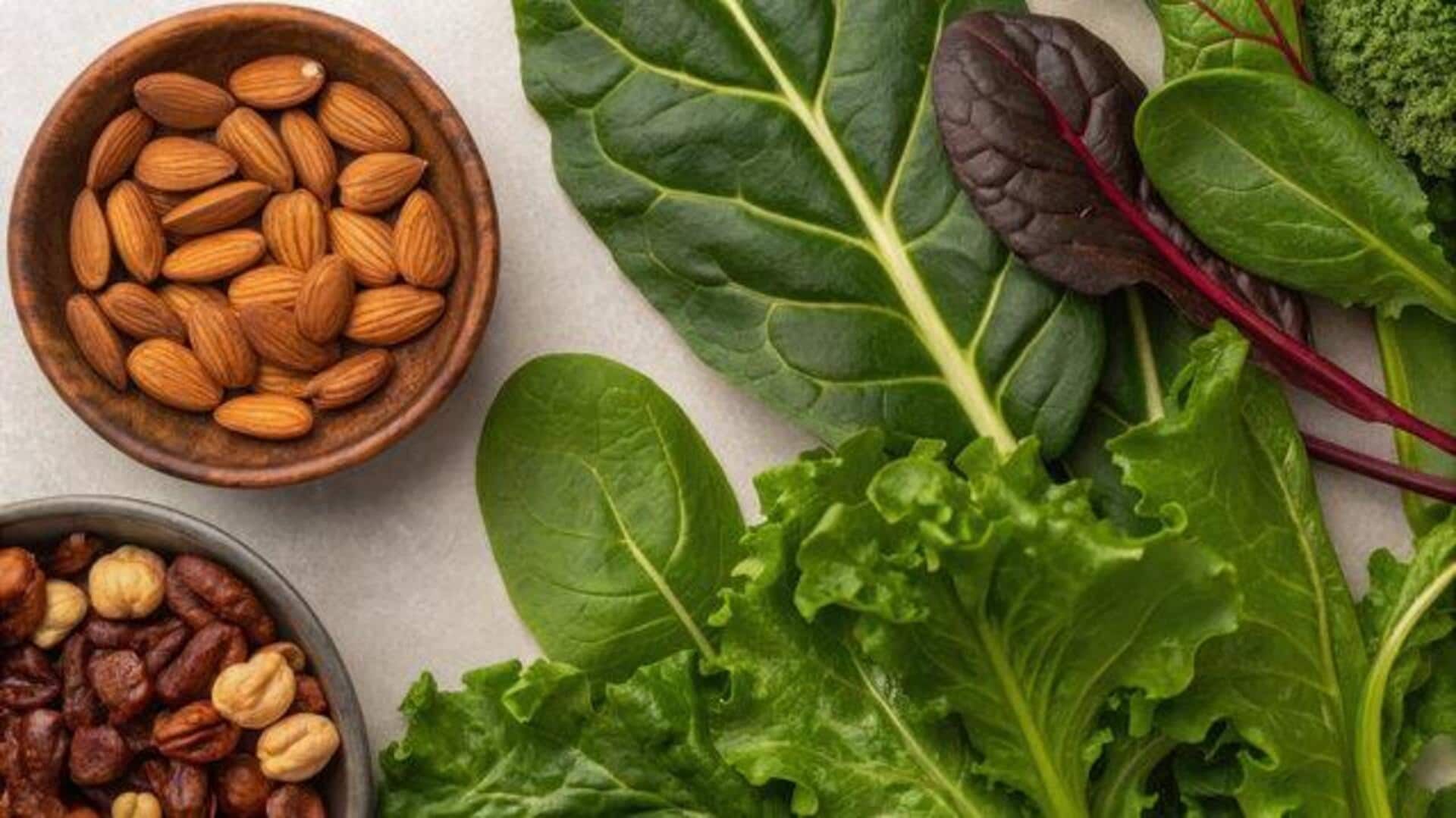
While there are other options for obtaining iron, plant-based foods such as lentils, beans, tofu, and spinach also provide non-heme iron. Although non-heme iron isn't absorbed as well as its counterpart, pairing these foods with vitamin C-rich items like citrus fruits can enhance absorption significantly.
#2
Myth: Iron supplements are always necessary
Many think that taking iron supplements is the only way to treat deficiency. However, for some people, dietary changes may be enough to boost iron levels. Before popping any supplements, it's best to consult a healthcare professional to determine the need and avoid potential side effects from over-supplementation.
#3
Myth: Cooking in cast iron pans doesn't help
Cooking in cast iron pans can actually increase the iron content of food, especially acidic foods like tomatoes. The process leaches small amounts of iron into the food, which can be beneficial for those looking to increase their intake naturally without supplements.
#4
Myth: Only women need extra iron
While it's true that women have higher iron needs due to menstruation and pregnancy, men and children also require adequate amounts of this mineral for good health. Men need about eight milligrams per day, while children vary based on age but generally require between seven and 10 milligrams daily.
#5
Myth: Dairy blocks iron absorption
Another common misconception is that dairy products block the absorption of all types of dietary iron when consumed together at meals. While calcium does compete with both heme and non-heme forms of dietary iron, moderate consumption within balanced meals won't significantly impact overall nutrient absorption if managed properly throughout daily diets.