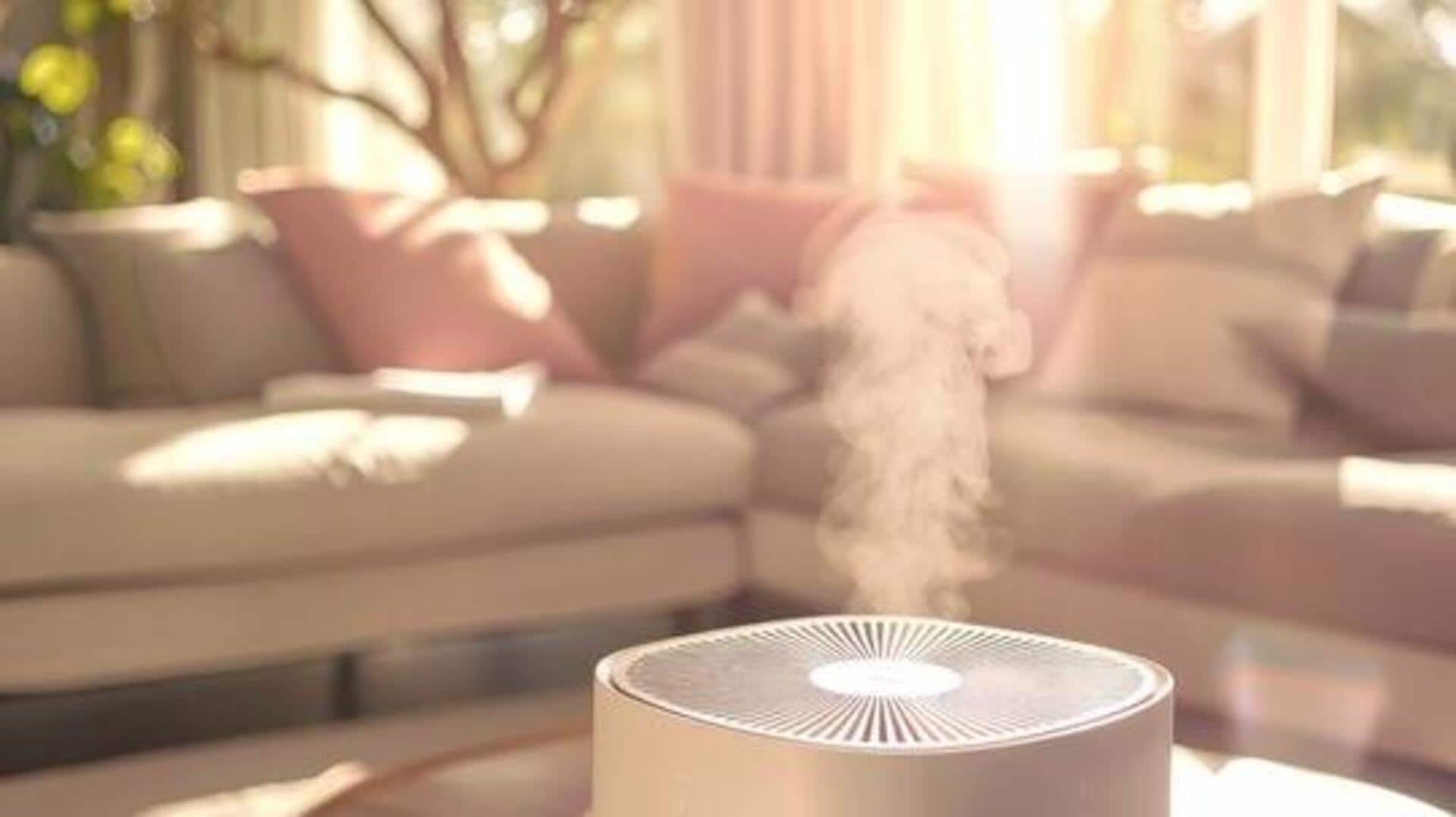
Is indoor air cleaner than outdoor air?
What's the story
We often think that indoor air quality is better than outdoor, but that's not always the case. In fact, indoor spaces can be filled with pollutants that affect our health. This article explores the common misconceptions about air quality and highlights how indoor environments can sometimes be more polluted than the outdoors. Understanding these dynamics is key to maintaining better air quality in our homes and workplaces.
#1
Indoor pollutants: A hidden threat
Indoor pollutants are often invisible but can be dangerous to health.
Things like dust mites, mold spores, and volatile organic compounds (VOCs) from paints or cleaning products can build up indoors.
These pollutants can cause respiratory problems and allergies if left unchecked.
Unlike outdoor air, which can be diluted by wind and weather patterns, indoor pollutants tend to linger in enclosed spaces.
#2
Ventilation: Key to better air quality
Proper ventilation is critical for keeping indoor air clean. Without proper airflow, pollutants build up over time.
Opening windows or using exhaust fans helps circulate fresh air and reduce the concentration of harmful substances indoors.
Mechanical ventilation systems also help by bringing in filtered outside air, further improving indoor conditions.
#3
The role of humidity in air quality
Humidity levels also play an important role in determining indoor air quality.
High humidity encourages mold growth and dust mites, while low humidity can dry out skin and irritate respiratory passages.
Maintaining an ideal humidity level between 30% and 50% with humidifiers or dehumidifiers can help keep both comfort and health in check.
#4
Regular cleaning: A must for healthy spaces
Regular cleaning is essential for controlling indoor pollutants.
Dusting surfaces regularly removes allergens like pollen and pet dander, while vacuuming with HEPA filters traps fine particles effectively.
Using non-toxic cleaning products reduces exposure to harmful chemicals that could compromise respiratory health over time.