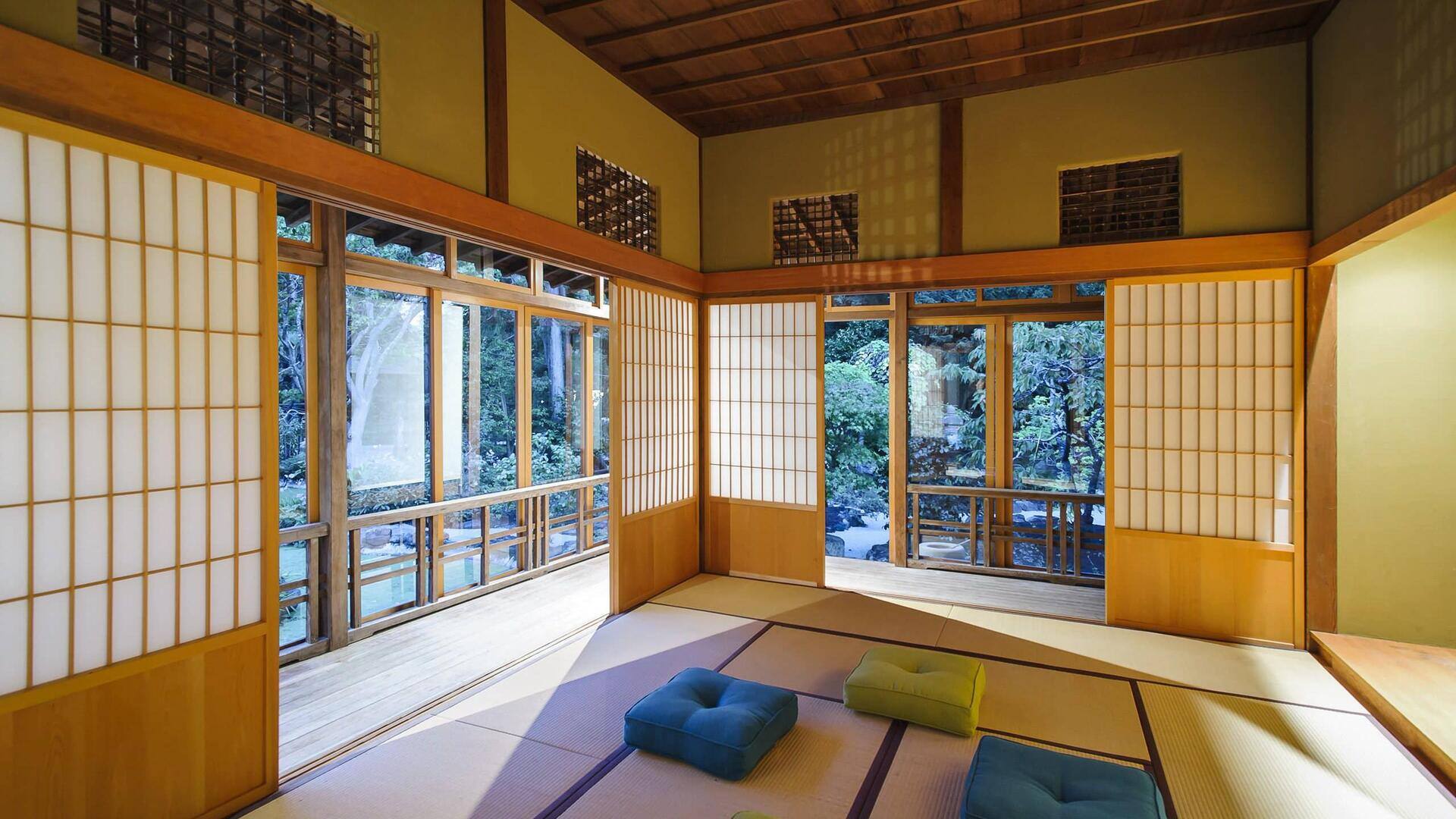
Transform your living space with Japanese interior design elements
What's the story
Japanese interior design is famous for its simplicity, functionality, and harmony with nature. The elements of this design philosophy are inspired by the natural world, creating spaces that are peaceful and uncluttered. By incorporating these elements into your home, you can create a serene environment that promotes relaxation and mindfulness. Here are five nature-inspired Japanese interior design elements to help you transform your living space.
Tip 1
Shoji screens for natural light
Shoji screens are traditional Japanese sliding doors or room dividers made of a wooden frame covered with rice paper. They allow natural light to filter through while maintaining privacy. Using shoji screens in your home can create a soft, diffused lighting effect that enhances the tranquility of any room. They are also versatile and can be used in various spaces, from living rooms to bedrooms.
Tip 2
Tatami mats for comfort
Tatami mats are made from rice straw and covered with woven rush grass. These mats provide a comfortable flooring option that is both durable and easy to maintain. They also help regulate humidity levels in a room, making them an ideal choice for creating a balanced indoor environment. Tatami mats can be used as flooring or as part of an arrangement with other furnishings.
Tip 3
Zen gardens for tranquility
Zen gardens, or karesansui, are minimalist landscapes made with sand, rocks, and sometimes small plants or moss. They are designed to be raked into patterns that represent water ripples or waves. Zen gardens promote mindfulness by encouraging contemplation and reflection. Adding a zen garden to your home can create an inviting space for meditation or quiet reflection.
Tip 4
Natural wood accents for warmth
Natural wood accents play an important role in Japanese interior design by adding warmth and texture to spaces. Wood elements, such as furniture pieces, beams, or paneling, create an inviting atmosphere while keeping the design simple and uncluttered. The use of light-toned woods like cedar or pine is common as they complement the overall aesthetic without overpowering other elements.
Tip 5
Indoor plants for connection with nature
Indoor plants are an integral part of Japanese interiors, as they bring the outdoors in. Plants such as bonsai trees, bamboo stalks, and ferns not only beautify the space but also purify the air. They promote a sense of well-being and connection with nature indoors. These plants are easy to care for and adapt to different lighting conditions, making them perfect for any home.