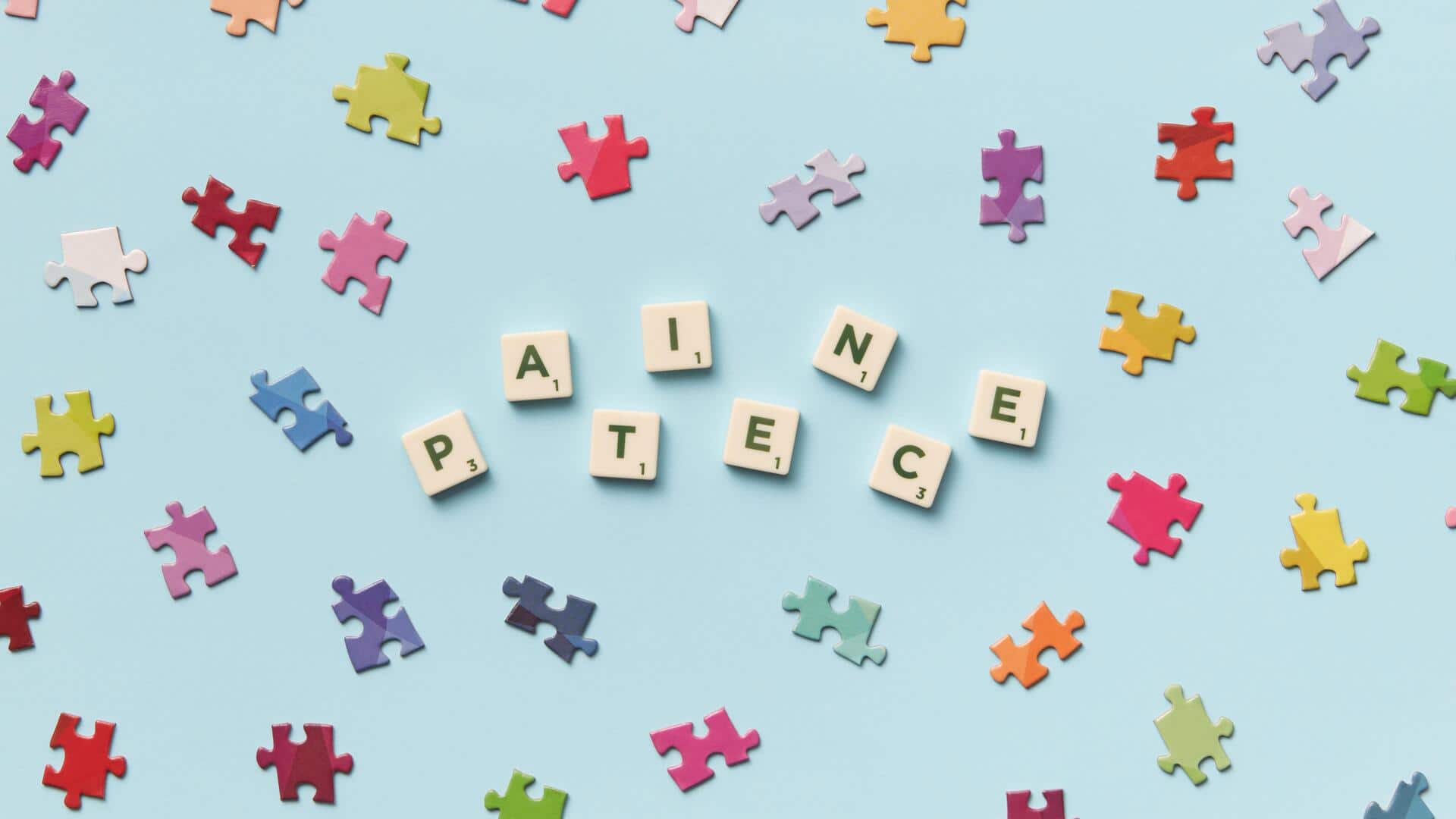
Feeling stressed? A jigsaw puzzle might help
What's the story
Jigsaw puzzles are not just a fun pastime. They can also be a powerful tool to reduce stress. By engaging the mind and focusing on a single task, puzzles can help you relax and unwind. Here are five ways jigsaw puzzles can help you de-stress, and how they work to calm the mind.
Tip 1
Enhance focus and concentration
Working on a jigsaw puzzle requires a lot of attention to detail. This helps in improving your focus and concentration.
When you are busy sorting pieces by color or shape, your mind is taken away from stressors and into the present moment.
This mindfulness activity can help reduce anxiety levels by as much as 30%, according to some studies.
Tip 2
Promote problem-solving skills
Solving jigsaw puzzles is all about problem-solving.
You have to think critically and make decisions based on the pieces you have at hand.
This not only stimulates your brain, but also gives you a sense of accomplishment when you finally fit a piece in place.
The cognitive engagement involved can help divert your mind from worries and promote a positive mindset.
Tip 3
Encourage relaxation through routine
Incorporating jigsaw puzzles into your daily routine can also be a great way to relax.
The repetitive nature of sorting and fitting pieces together creates a calming effect on the mind.
This routine activity can lower cortisol levels, the hormone associated with stress, making it easier for you to unwind after a long day.
Tip 4
Foster social connections
Doing jigsaw puzzles with friends or family members can strengthen social bonds while keeping stress at bay.
It allows you to interact in a relaxed environment where the focus is on teamwork and communication.
The shared experience of completing a puzzle together fosters connection and reduces feelings of isolation, which is often linked to increased stress levels.
Tip 5
Improve memory retention
Working on jigsaw puzzles also improves memory retention by stimulating different parts of the brain that are responsible for memory processing.
As you remember where certain pieces go in relation to others, your brain gets better at storing information over time.
This cognitive exercise not only helps with puzzle-solving but also improves overall mental clarity, reducing stress by improving cognitive function.