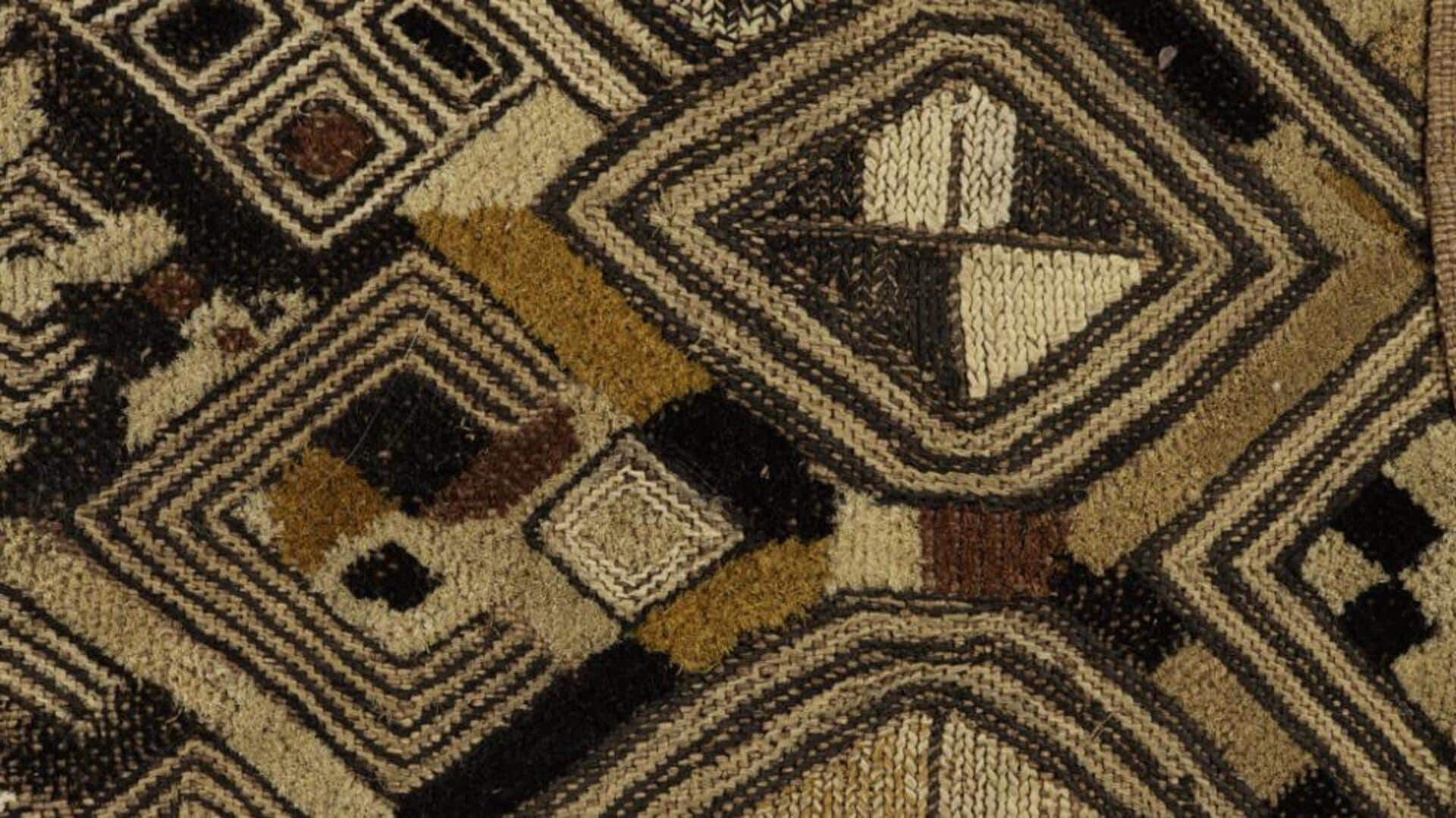
Kasai velvet: A Congolese textile making waves in fashion
What's the story
Kasai velvet, a traditional textile from the Congo, is making waves in the fashion world. The intricate patterns and rich colors of this fabric are being reimagined by designers to create modern, stylish pieces. The revival of Kasai velvet highlights its versatility and cultural significance, while also showcasing the creativity of contemporary fashion. Here's how this timeless textile is influencing today's fashion trends.
#1
Cultural heritage meets modern design
Kasai velvet's unique patterns are steeped in cultural heritage, which is now being merged with modern design elements.
Designers are playing with traditional motifs to create pieces that are both fashionable and meaningful.
This fusion not only preserves the cultural essence of the fabric but also makes it appealing to a wider audience.
The result is a collection that pays homage to its roots while embracing modern aesthetics.
#2
Versatility in fashion applications
The versatility of Kasai velvet makes it suitable for a range of fashion applications, from clothing to accessories.
Its rich texture and vibrant colors lend themselves well to creating eye-catching garments that stand out in any setting.
Whether used in dresses, jackets, or handbags, Kasai velvet adds an element of sophistication and uniqueness to any outfit.
#3
Sustainable fashion choices
As sustainability becomes more important in the fashion industry, Kasai velvet provides an eco-friendly alternative to synthetic fabrics.
Handcrafted by artisans, this textile is made using traditional techniques that minimize environmental impact.
By opting for Kasai velvet, consumers can support sustainable practices while enjoying the beauty of a timeless material.
#4
Empowering local artisans
The resurgence of Kasai velvet in fashion also empowers local artisans who specialize in its production.
By supporting these craftsmen, designers contribute to preserving traditional skills and promoting economic development within communities.
This collaboration not only benefits artisans financially, but also ensures that the art of creating Kasai velvet continues for future generations.