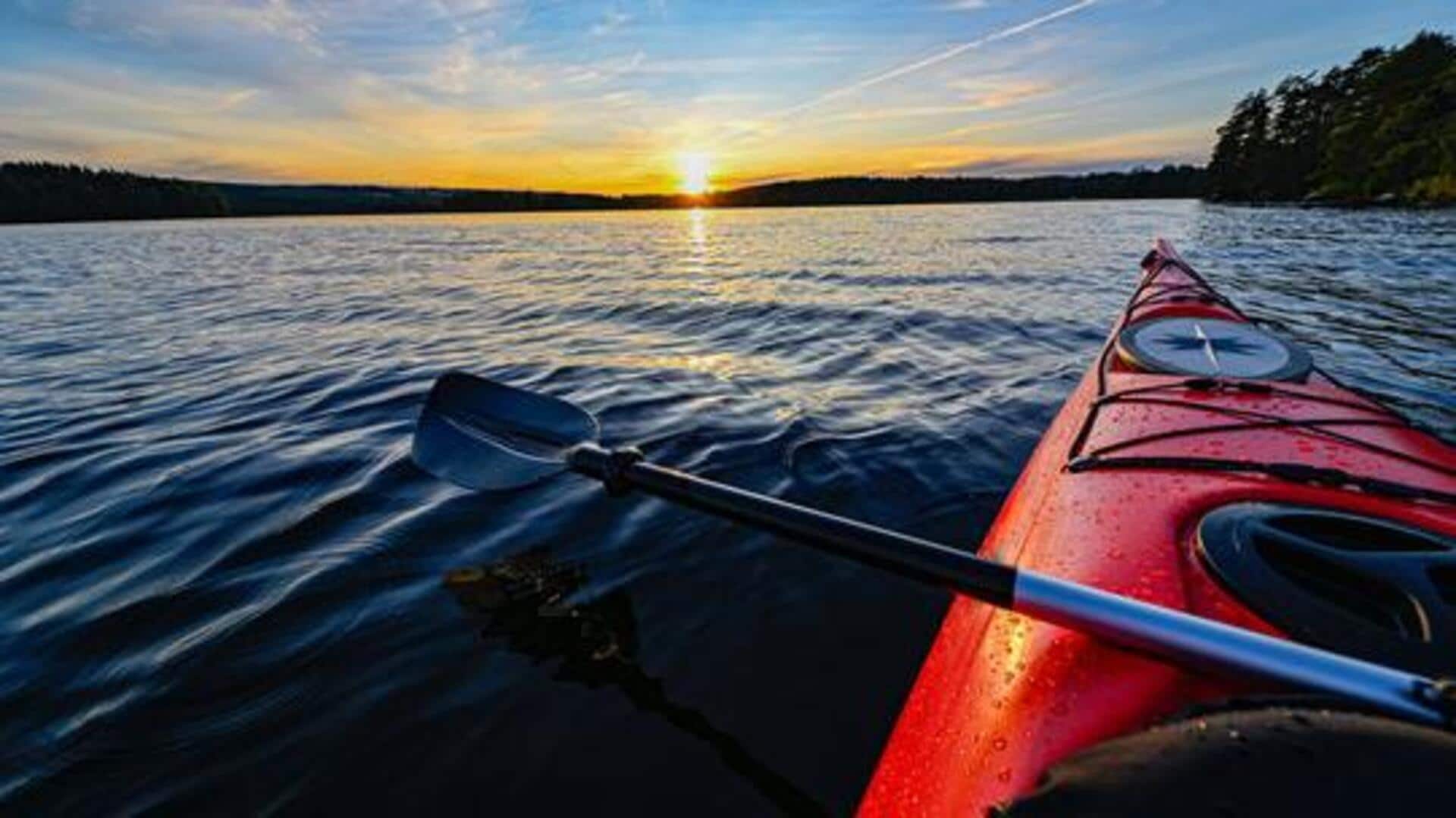
Kayaking enthusiasts, this desert waterway is truly unique
What's the story
Exploring the Draa River in Morocco is a unique way to experience the country's natural beauty. The river, which flows through the Sahara Desert, provides a different perspective of Morocco's landscapes. Kayaking on this river allows adventurers to witness the diverse ecosystems and scenic views that are often missed by traditional means of travel. Here are some insights into exploring this fascinating waterway.
River route
Navigating the river's course
The Draa River stretches over 1,100 kilometers and is one of Morocco's longest rivers. It starts in the Atlas Mountains and flows through various terrains before reaching the desert.
Kayakers can experience everything from lush valleys to arid landscapes as they navigate its course.
The river's flow varies with seasons, so it's important to plan your trip according to water conditions for safety and enjoyment.
Flora and fauna
Wildlife along the banks
The banks of the Draa River are home to a variety of wildlife. From migratory birds to native plant species, the area is rich in biodiversity.
Kayakers can spot these creatures as they paddle along, giving them an opportunity to observe nature up close.
Respecting wildlife habitats is important, so keeping a safe distance from animals is advisable.
Local interactions
Cultural encounters en route
Traveling along the Draa River also means coming across local Berber communities settled along its banks.
These communities have lived in harmony with their surroundings for centuries.
Kayakers can interact with locals, learn about their traditions, and even sample traditional Moroccan cuisine.
These cultural exchanges add a whole new dimension to the kayaking experience.
Preparation advice
Essential tips for kayakers
Before heading out on a kayaking trip on the Draa River, make sure you are well-prepared.
Choose appropriate gear for both water and weather conditions.
Carry enough supplies, including food and water, as access points may be limited along certain stretches of the river.
Also, consider hiring a local guide who can provide valuable insights into both navigation and cultural aspects during your journey.