How to grow a healthy bonsai
What's the story
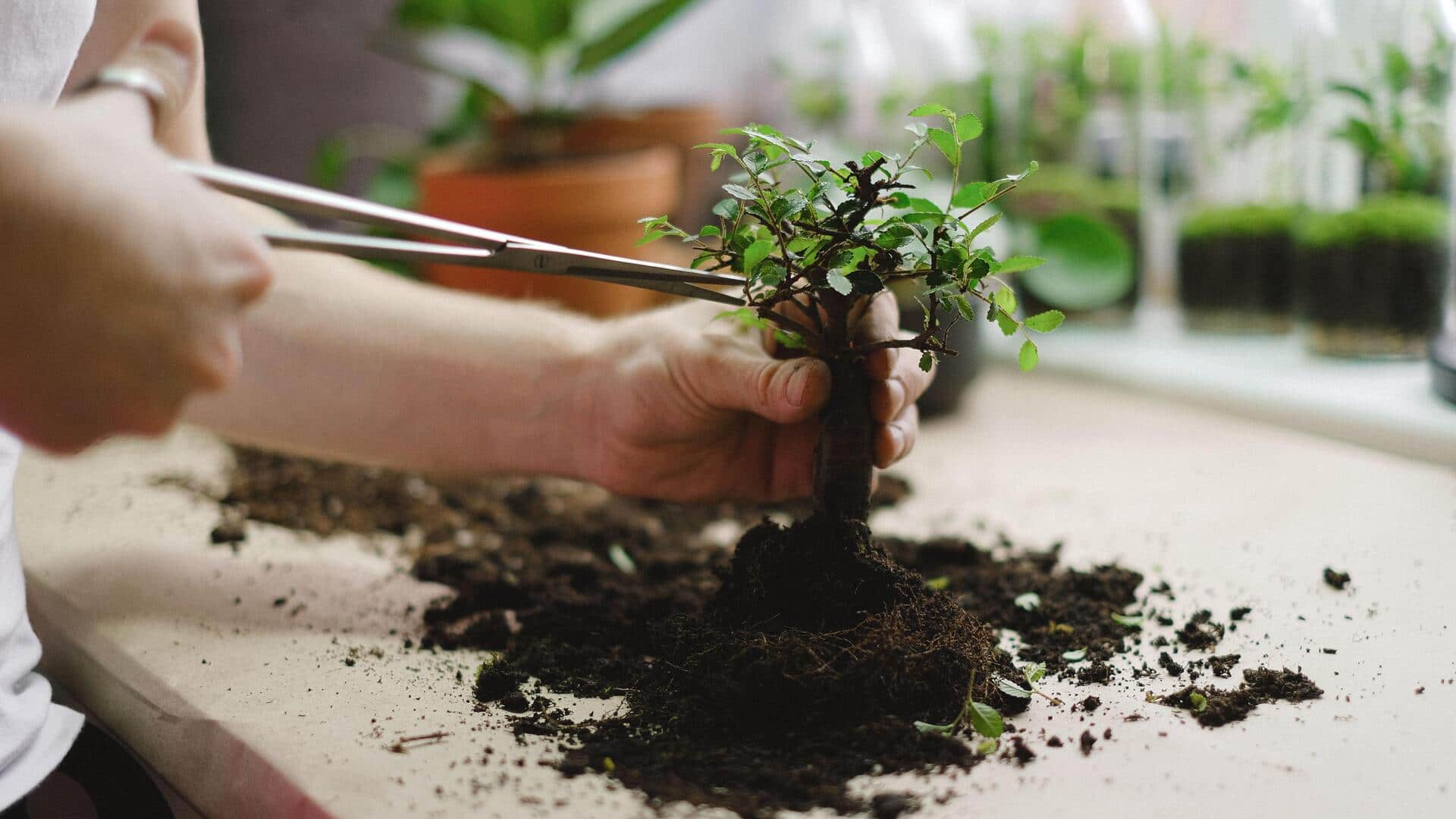
Bonsai trees are a beautiful and intricate art form that requires careful attention and maintenance. Pruning is one of the most important aspects of keeping your bonsai healthy and aesthetically pleasing. By knowing the right techniques, you can make sure your bonsai grows the way you want it to. Here are some expert tips on how to prune your bonsai tree effectively.
Tip 1
Understand the growth patterns
Before you start pruning, it's important to understand how your specific bonsai species grows.
Different species have different growth patterns and rates, which affect how and when you should prune them.
Researching your tree's natural habitat and growth habits will help you make informed decisions about pruning techniques and timing.
Tip 2
Use proper tools for precision
Using the right tools is key to precise pruning.
Invest in high-quality bonsai scissors or shears that are sharp enough to make clean cuts without damaging the tree.
Avoid using household scissors or tools that may crush the branches or leaves, as this can lead to infection or slow recovery for the tree.
Tip 3
Timing is crucial for effective pruning
The timing of your pruning sessions can greatly affect the health of your bonsai tree.
Ideally, you should prune during the growing season when the tree is most active. This usually means late spring or early summer for most species.
Pruning at this time allows for quicker healing and encourages new growth, maintaining the tree's vitality.
Tip 4
Focus on symmetry and balance
When pruning, it is important to keep your bonsai tree's symmetry and balance in mind.
Trim branches that grow unevenly or disrupt the natural shape of the tree.
By doing so, you can maintain a harmonious appearance while allowing light to reach all parts of the foliage, promoting even growth throughout the tree.
Tip 5
Regular maintenance ensures longevity
Regular maintenance is key to keeping your bonsai tree healthy over time.
In addition to periodic pruning sessions, check your tree regularly for any signs of disease or pest infestation.
Early detection allows for quick intervention measures, such as targeted pruning or treatment applications, ensuring the longevity of your bonsai masterpiece.