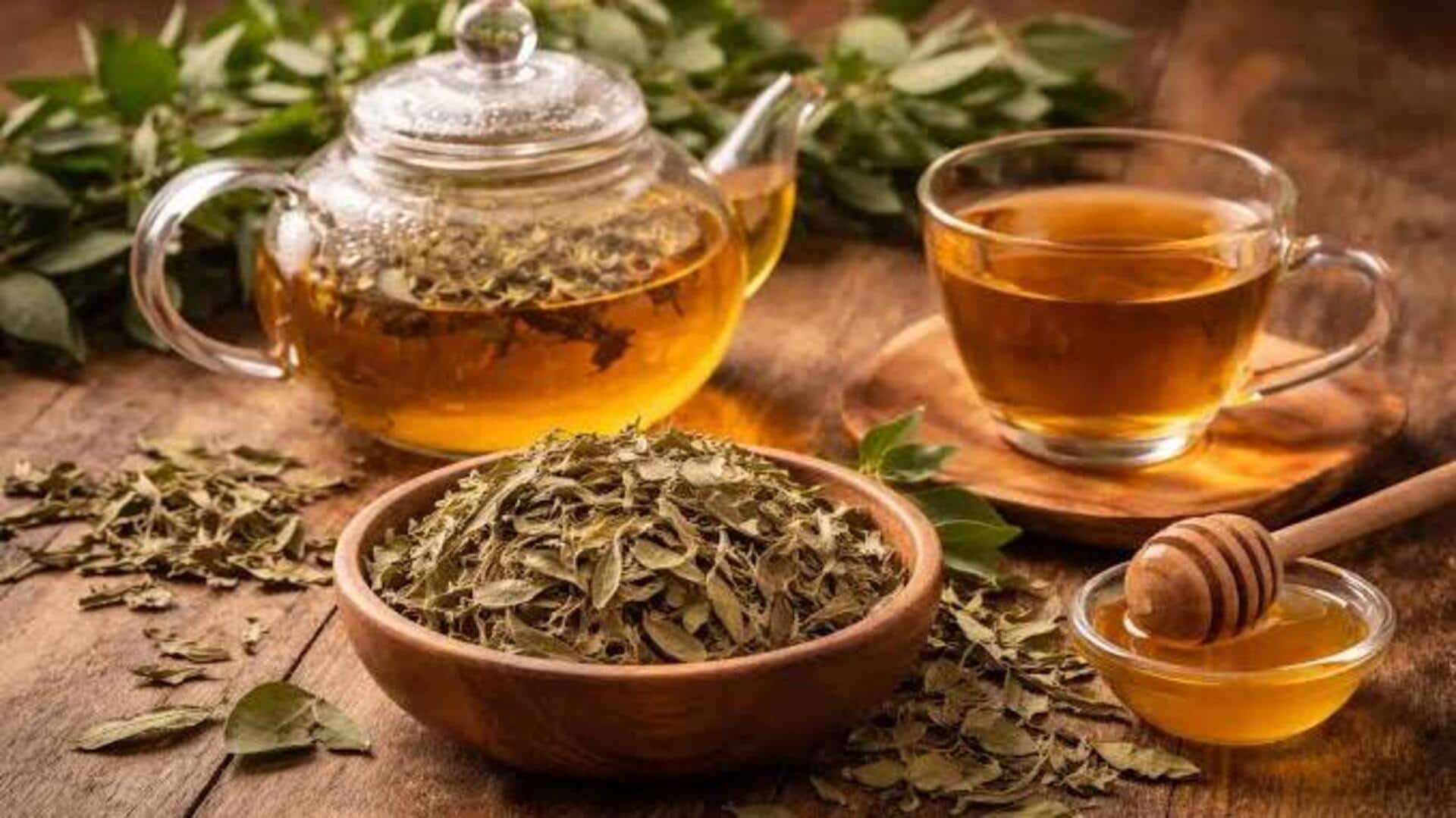
Kinkeliba: 5 delicious uses of this herb
What's the story
Kinkeliba, a plant native to West Africa, is famous for its medicinal properties and culinary versatility. From being a staple in traditional African cuisine to being used in various dishes, the leaves of kinkeliba are steeped in history and culture. Here are five ways kinkeliba is used in African cooking, showcasing its unique flavors and benefits.
#1
Herbal tea delight
Kinkeliba leaves are commonly used to prepare herbal tea, a popular drink across West Africa.
The tea is said to have a slightly bitter taste and is often consumed for its health benefits, such as aiding digestion and boosting energy levels.
The preparation involves steeping dried kinkeliba leaves in hot water until the desired strength is achieved.
It can be enjoyed hot or cold, depending on personal preference.
#2
Flavorful soups and stews
In many West African countries, kinkeliba leaves are added to soups and stews for their distinct flavor profile.
They lend an earthy taste that complements other ingredients, like vegetables and spices.
The addition of kinkeliba not only enhances the taste but also adds nutritional value with its rich antioxidant content. It makes these dishes both delicious and healthy.
#3
Nutrient-rich salads
Fresh kinkeliba leaves can be tossed into salads for an extra crunch and nutrition.
They go well with leafy greens like lettuce or spinach, adding a unique taste that goes well with other salad ingredients.
The inclusion of kinkeliba makes salads more nutritious by adding vitamins and minerals that promote good health.
#4
Traditional porridge ingredient
Kinkeliba is also a common ingredient in traditional porridge recipes across West Africa.
The leaves are usually ground into a fine powder before being added to porridge mixtures made from grains like millet or sorghum.
This not only adds flavor but also boosts the nutritional profile of the porridge, making it a wholesome meal option for all ages.
#5
Natural food preservative
Due to its antimicrobial properties, kinkeliba can also be used as a natural food preservative in some African communities.
The extract from the leaves can be added to preserved foods like pickles or jams, extending their shelf life without the use of synthetic additives.
This traditional method highlights the versatility of kinkeliba beyond just culinary uses, showcasing its role in food preservation practices.