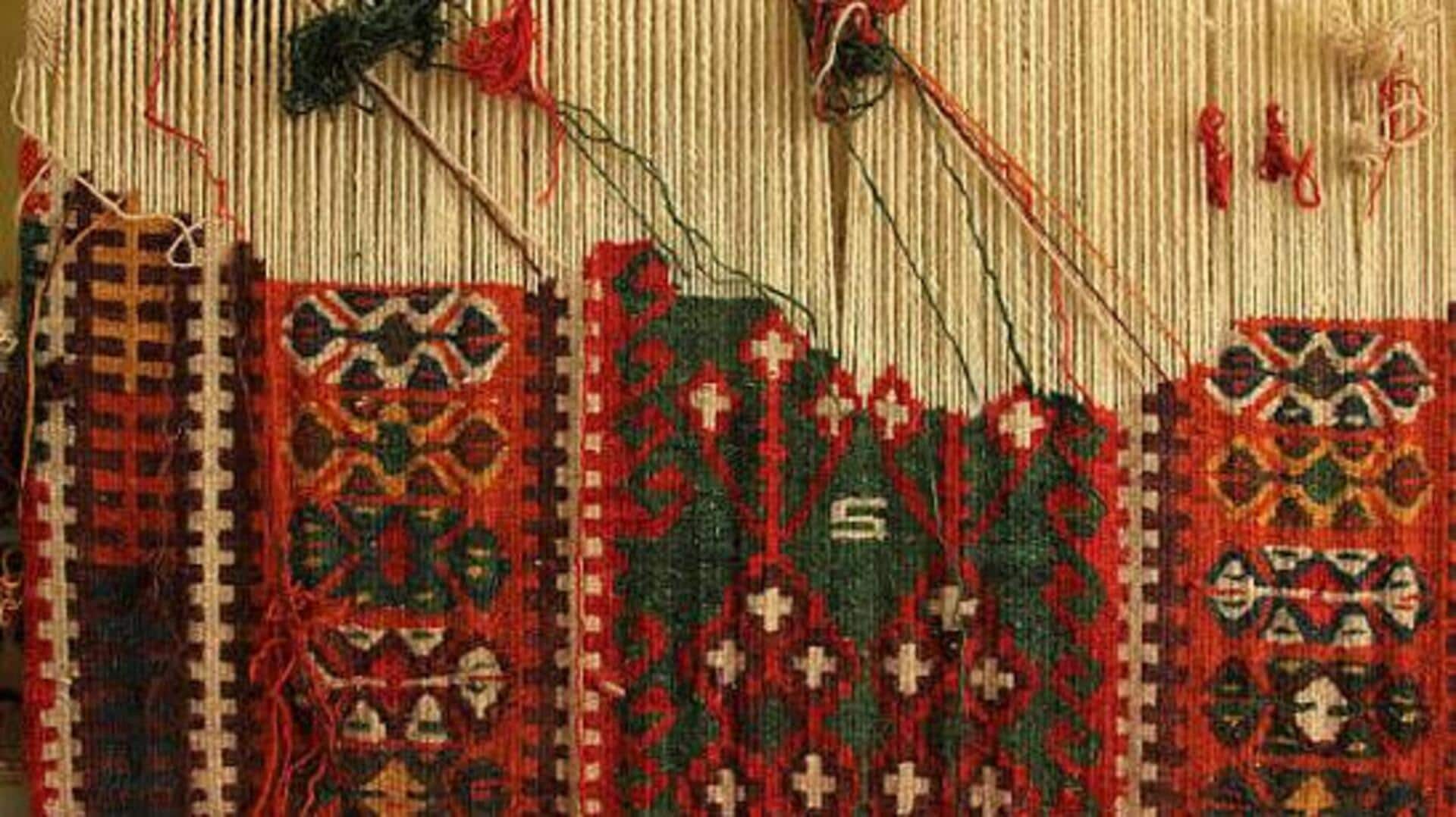
Kirdi weaving: A beautiful textile art from Africa
What's the story
The Kirdi jewelry weaving technique is a unique African textile tradition that has been passed down through generations. It combines intricate patterns and vibrant colors to create stunning pieces of wearable art. This technique is not just an artistic expression but also a cultural heritage that reflects the history and identity of the Kirdi people. The craftsmanship involved in this tradition is remarkable, showcasing the skill, creativity, and artistry of its artisans.
Historical insights
Historical roots of Kirdi weaving
The history of Kirdi jewelry weaving goes back centuries, with roots in the cultural practices of the Kirdi people.
Traditionally, these textiles were used for ceremonial purposes and as symbols of status within the community.
Over time, the techniques have evolved, while still preserving their historical significance.
The weavings often depict stories or symbols important to the Kirdi culture, making each piece a narrative in itself.
Weaving methods
Techniques used in Kirdi jewelry weaving
Kirdi jewelry weaving involves a variety of techniques that have been perfected over generations.
Artisans use simple tools to create complicated patterns with precision.
The process involves selecting materials such as beads or threads and arranging them in specific ways to create desired designs.
Every technique requires patience and skill, resulting in unique pieces that are both beautiful and meaningful.
Cultural impact
Cultural significance of Kirdi textiles
The cultural significance of Kirdi textiles goes beyond aesthetics; they are integral to community identity and heritage preservation.
These textiles are often worn during important events or ceremonies, serving as a connection between past traditions and present-day practices.
By wearing or displaying these pieces, individuals maintain a link to their ancestry, while sharing their culture with others.
Modern trends
Modern adaptations and global influence
In recent years, there has been a surge in interest in Kirdi jewelry weaving, both locally and internationally.
Designers have started incorporating these traditional techniques into contemporary fashion lines, giving them a new lease of life without losing their essence.
This blend of old and new not only promotes cultural appreciation, but also opens up economic opportunities for artisans worldwide.