What Korean jesa foods really mean
What's the story
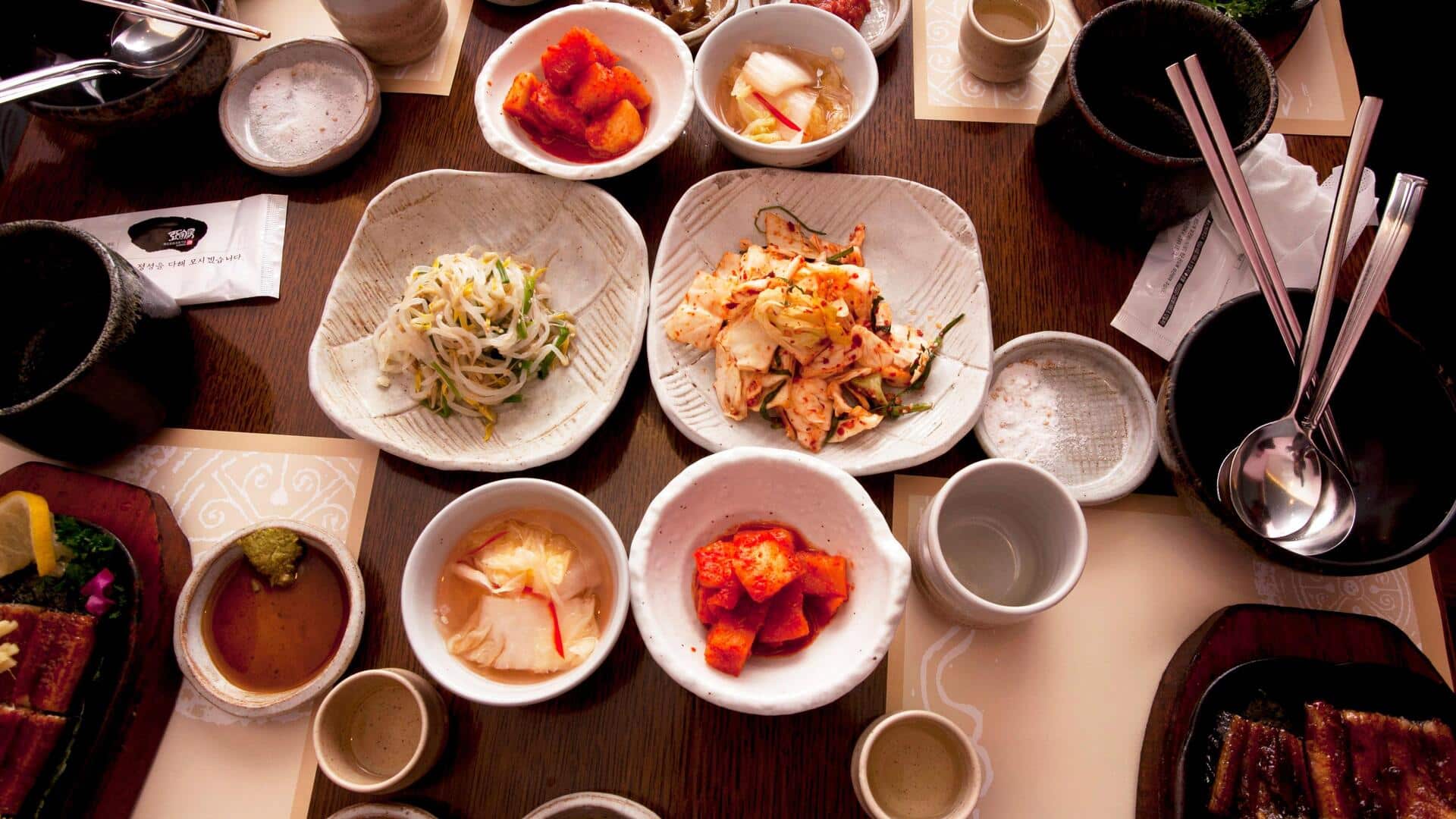
Korean ancestral table foods, or "jesa," are an integral part of honoring ancestors during traditional ceremonies. These foods are not just offerings but also carry deep cultural meanings and traditions that have been passed down through generations. Each item on the table has its own significance, symbolizing respect, remembrance, and gratitude towards ancestors. Understanding these meanings offers insight into Korean culture and its reverence for family heritage.
Dish 1
Rice and water: Symbols of purity
Rice is a staple in Korean cuisine and is often seen as a symbol of purity and life. During jesa ceremonies, it is offered to honor the ancestors' spirit.
Water also plays a crucial role as it represents clarity and freshness. Together, they form the foundation of the offering, signifying basic sustenance and respect for those who came before.
Dish 2
Fruits: Offerings of abundance
Fruits are also an important part of the jesa table, representing abundance and prosperity.
Commonly used fruits include apples, pears, and persimmons, which are chosen for their seasonal availability and freshness.
The act of offering fruits symbolizes gratitude for the blessings received from ancestors and hopes for continued prosperity within the family.
Dish 3
Nuts and seeds: Symbols of fertility
Nuts and seeds are also a common sight on the jesa table as they symbolize fertility and growth.
These offerings signify hopes for future generations to thrive under the guidance of their ancestors' spirits.
Almonds, walnuts, chestnuts, and pine nuts are some of the nuts commonly used during these ceremonies.
Dish 4
Traditional cakes: Sweetness of memories
Traditional cakes such as songpyeon or baekseolgi also feature prominently on the jesa table.
These sweet treats symbolize cherished memories with ancestors. They also signify the sweetness of family bonds that have been nurtured over time.
The preparation process itself is often a family affair. It brings together loved ones to honor their shared heritage.
Dish 5
Grains: Foundations of sustenance
Grains such as barley or millet are also offered during jesa ceremonies as they represent the foundation of sustenance in Korean culture.
They serve as a reminder of how essential these crops were to our ancestors's survival.
They also signify the importance of nurturing the earth's resources responsibly, which is a value passed down through generations.