The beautiful traditions that shape Lebanese weddings
What's the story
Lebanese weddings are a beautiful mix of cultural traditions and age-old rituals. These celebrations are not just a union of two individuals but a grand display of family, community, and heritage. From pre-wedding ceremonies to the actual celebration, each ritual has its own significance. Knowing these customs can give you a deeper insight into the Lebanese culture, its values, and traditions.
Engagement
The engagement ceremony
In Lebanese culture, the engagement is a major milestone that marks the beginning of wedding preparations.
Traditionally, families come together to exchange gifts and set the date for the wedding.
This ceremony is usually marked by exchanging rings, and blessings from both families. It acts as a formal announcement of the couple's intention to marry and sets the stage for upcoming celebrations.
Henna night
Henna night celebrations
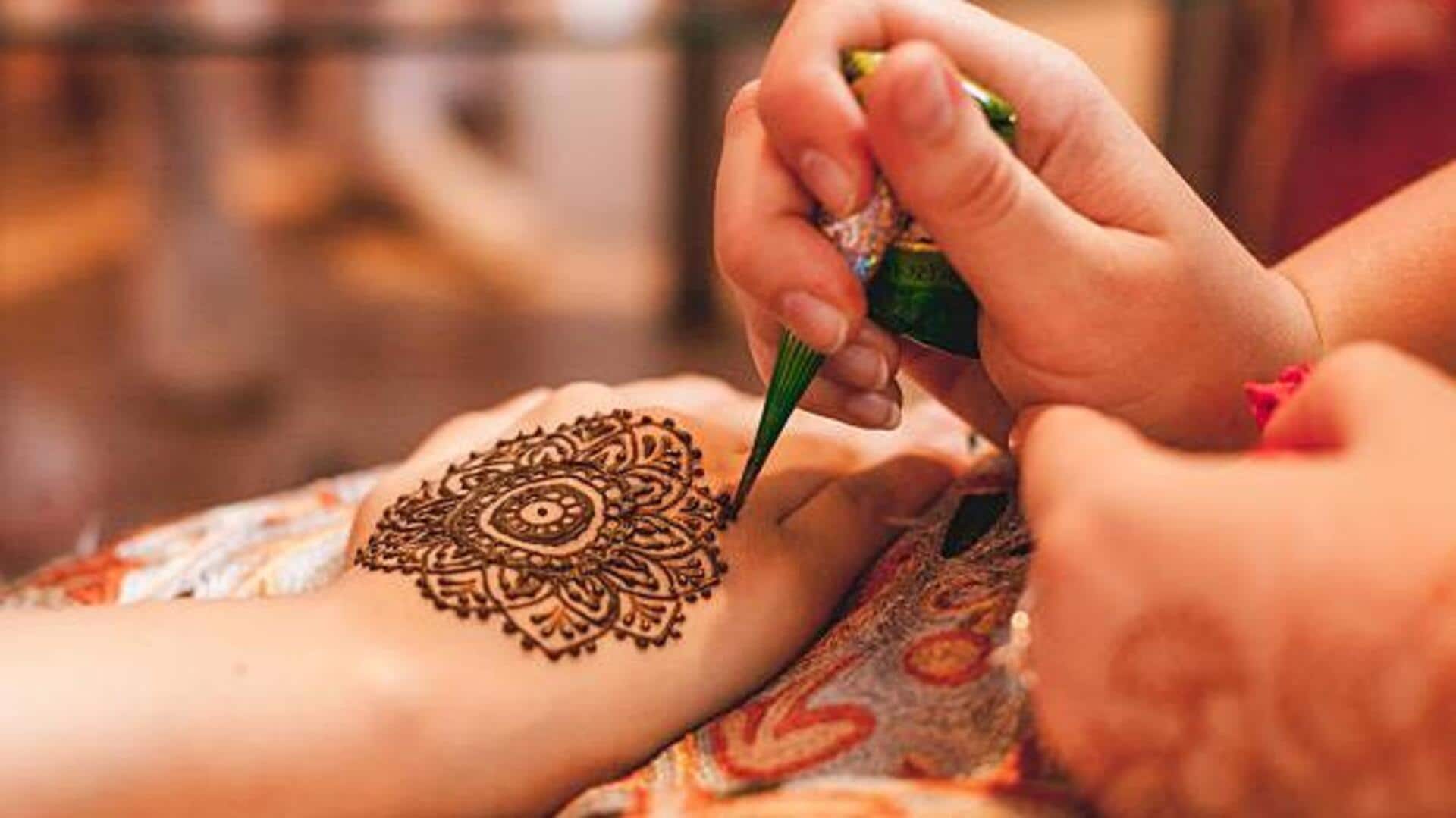
The henna night is an important pre-wedding ritual in many Lebanese communities.
It is a women's-only affair, where intricate henna designs are applied on the bride's hands and feet.
The event is all about music, dancing, and sharing stories among female relatives and friends.
The henna night symbolizes good luck and prosperity for the bride as she steps into her new life.
Attire
Traditional wedding attire
Traditional Lebanese wedding attire is rich in cultural significance and varies from region to region.
Brides usually wear elaborate gowns embellished with intricate embroidery or beadwork, while grooms opt for elegant suits or traditional garments like the sherwal or abaya.
These outfits reflect regional styles and personal taste, making them an essential part of the celebration.
Wedding day
Festive wedding rituals
On the wedding day, festivities typically kick off with a procession where musicians play traditional instruments such as the oud or darbuka.
Guests shower the couple with rice or flower petals as they make their way to the venue, a gesture symbolizing fertility and abundance.
Ceremonies may also include exchanging vows in front of family members, followed by feasting on traditional dishes like tabbouleh or kibbeh.
After party
Post-wedding celebrations
Post-wedding celebrations in Lebanon often extend beyond just one day.
They include gatherings known as zaffeh, featuring lively music and dancing.
These celebrations often take place across different parts of towns where families live together, reflecting shared values passed down through generations.