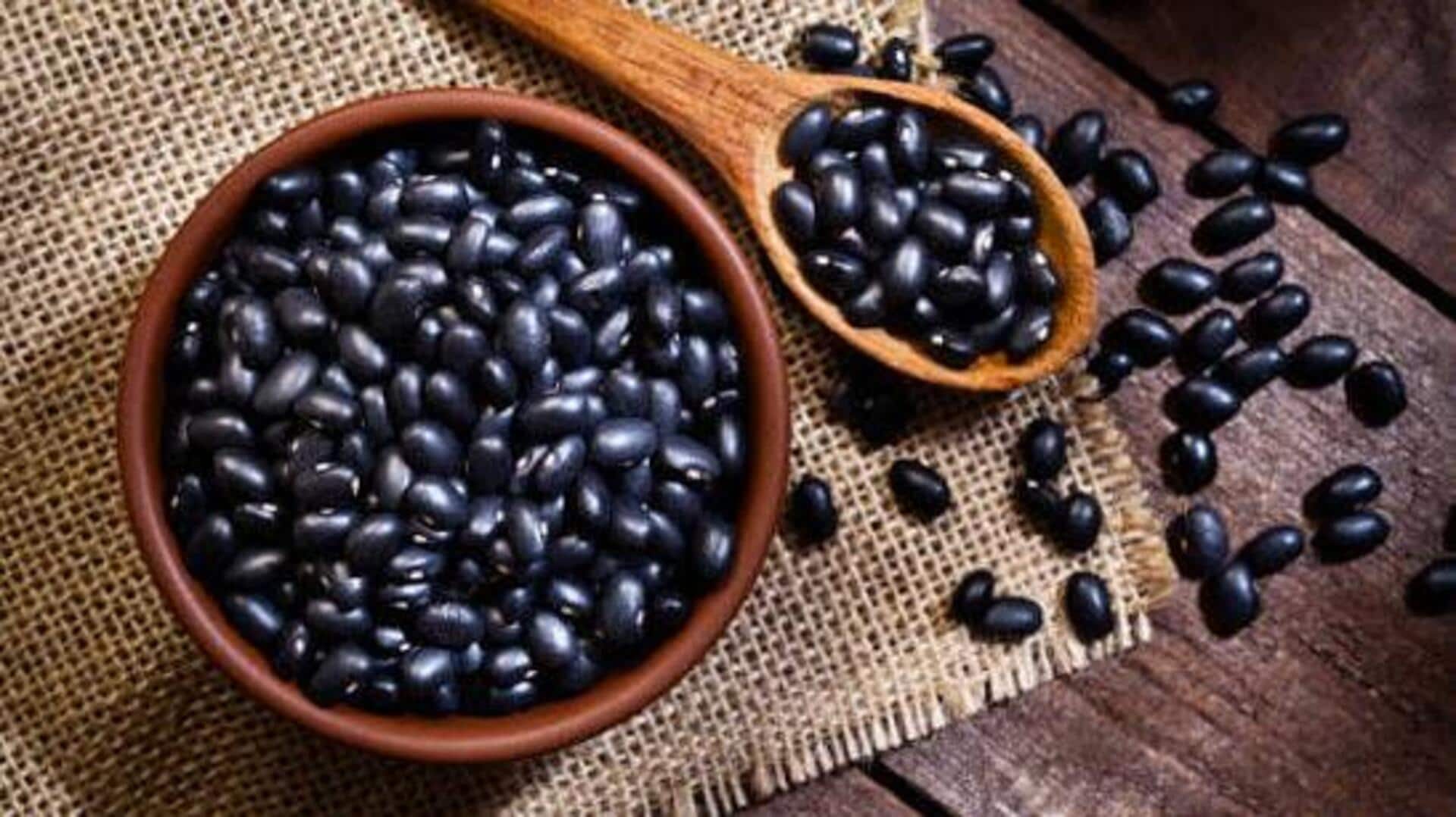
Lentils v/s black beans: Which is more nutritious?
What's the story
Lentils and black beans are two of the most popular plant-based protein sources. Both are packed with essential nutrients, making them a staple in vegetarian and vegan diets. While both provide similar benefits, they also have their own unique nutritional profiles. Knowing the differences between the two can help you make informed dietary choices. Here's a look at the nutrition of lentils and black beans.
#1
Protein content comparison
Both lentils and black beans are amazing sources of plant-based protein.
One cup of cooked lentils gives you around 18 grams of protein, while the same serving of black beans provides around 15 grams.
Lentils are slightly higher in protein content than black beans, making them a great option for anyone looking to up their protein intake.
#2
Fiber richness in each legume
Fiber is an essential nutrient for digestive health, and both lentils and black beans are fiber-rich.
A cup of cooked lentils has about 16 grams of fiber, while black beans offer approximately 13 grams per cup.
The higher fiber content in lentils can help with digestion and keep you full longer.
#3
Vitamin and mineral content analysis
Lentils and black beans are rich in vitamins and minerals, including iron, magnesium, potassium, and folate.
While both legumes provide iron for healthy blood cells, lentils have a slight edge with their higher iron content.
Black beans are also rich in magnesium, which is important for muscle function and bone health.
Tip 1
Glycemic index considerations
The glycemic index (GI) measures how quickly foods raise blood sugar levels after consumption.
Lentils have a lower GI than black beans, making them a better option for those looking to control blood sugar levels.
The lower GI of lentils means they release glucose into the bloodstream slowly, reducing spikes in blood sugar levels after meals.