5 vegetables that are naturally high in iron
What's the story
Iron is an essential mineral that plays a critical role in the body, particularly in the formation of red blood cells and transportation of oxygen. While most people turn to supplements or fortified foods to meet their iron needs, several natural vegetarian sources can provide a significant amount of this vital nutrient. Here are five vegetables that are naturally high in iron, making them a great addition to any diet.
Spinach
Spinach: A leafy powerhouse
Spinach is one of the best sources of plant-based iron.
One cup of cooked spinach provides around six milligrams of iron, which is about 33% of the daily recommended intake for adults.
The leafy green is also rich in vitamin C, which helps improve iron absorption from plant sources.
Adding spinach to salads, soups, or smoothies can be an easy way to boost your iron intake.
Kale
Kale: Nutrient-dense green
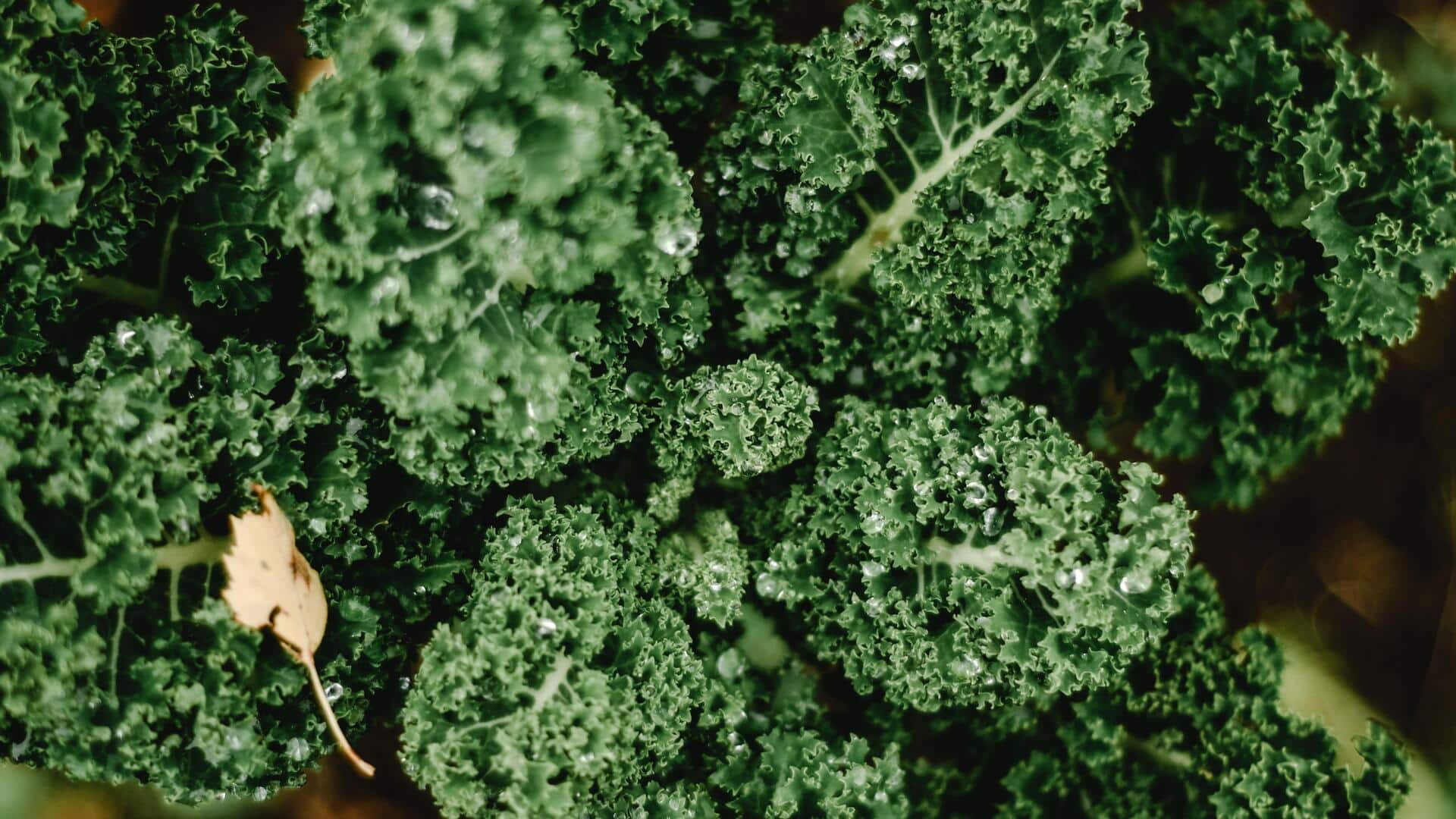
Kale is another nutrient-dense green that offers a good amount of iron.
One cup of cooked kale has about one milligram of iron, along with other essential nutrients like vitamin K and calcium.
Its slightly bitter taste makes it perfect for hearty dishes or as a base for salads with citrus dressings that further enhance iron absorption.
Broccoli
Broccoli: More than just a side dish
Broccoli is not just a versatile vegetable; it is also a great source of plant-based iron.
One cup of cooked broccoli gives around one milligram of iron and is packed with antioxidants and vitamins A and C.
This cruciferous vegetable can be steamed or roasted and served as a side dish or added to stir-fries for an extra nutritional punch.
Lentils
Lentils: Protein-packed legumes
While lentils are technically legumes and not vegetables, they make an excellent source of vegetarian iron.
One cup of cooked lentils provides about six milligrams of iron, along with protein and fiber.
They can be easily added into soups or stews or used as a base for salads, making them a great choice for boosting your daily nutrient intake.
Swiss chard
Swiss chard: Colorful nutrient source
Swiss chard is a colorful leafy green that provides about four milligrams per cooked cup, along with vitamins A, C, and K.
Its mild flavor makes it versatile enough to be used in various dishes, from sautés to pasta sauces, where it blends seamlessly while providing essential nutrients, including a plant-based, non-heme form of dietary iron.