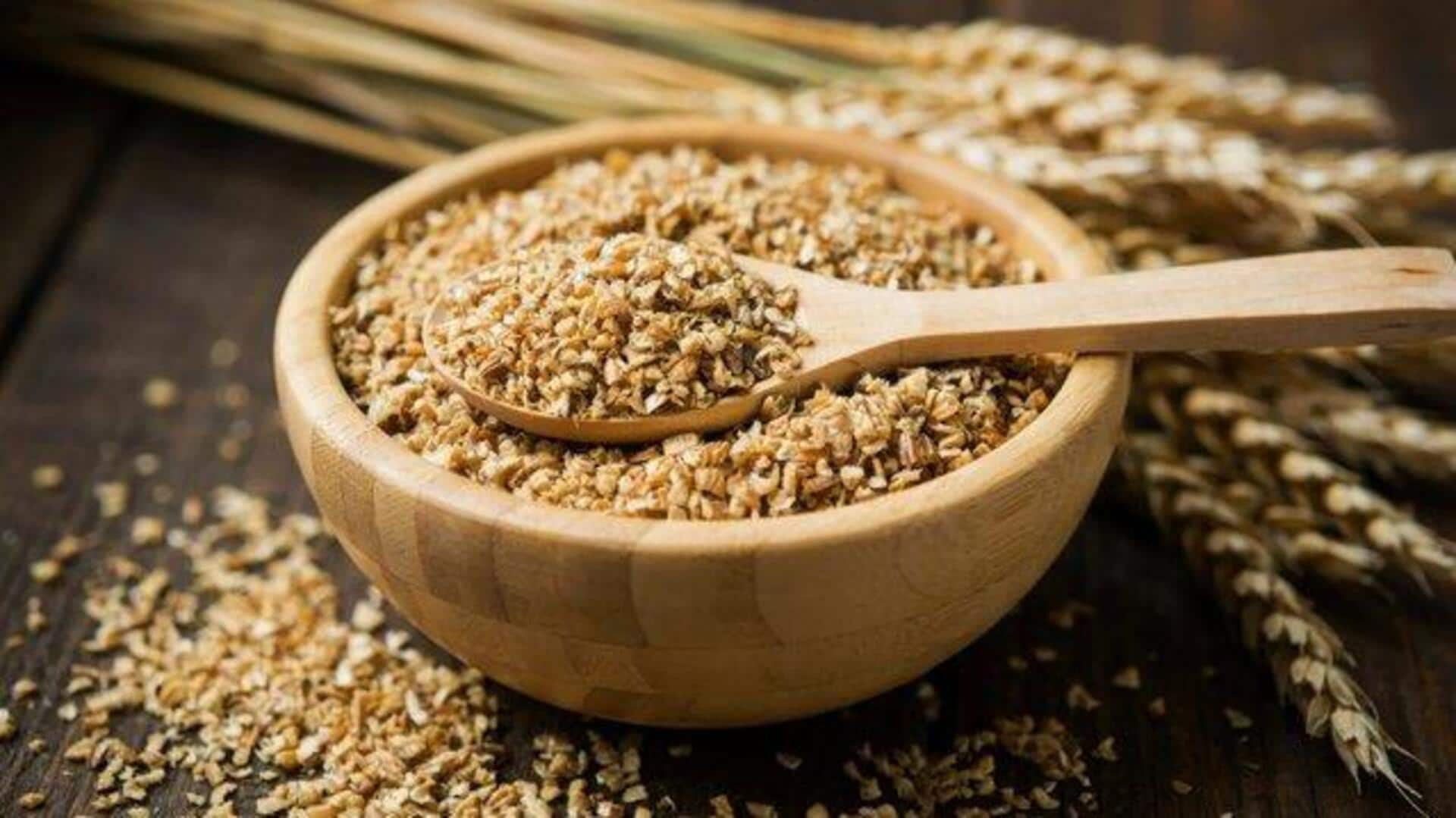
How cracked wheat is used in African cuisine
What's the story
Cracked wheat, a staple in many African cuisines, is celebrated for its versatility and nutritional value. This whole grain, which is made by coarsely grinding wheat kernels, serves as a base for several traditional dishes. From hearty porridges to savory stews, cracked wheat is an integral part of the culinary heritage across the continent. Here are five African dishes that highlight the unique flavors and textures that cracked wheat can offer.
Ethiopian delight
Injera: A staple Ethiopian bread
Injera is a sourdough flatbread from Ethiopia. It is made from teff flour, but sometimes cracked wheat is used as a substitute.
The dish is mostly eaten with stews and salads, and doubles as a plate and utensil.
Its tangy taste goes perfectly with spicy dishes, making it a staple in Ethiopian cuisine.
Pilaf pleasure
Bulgur pilaf: A Middle Eastern influence
Bulgur pilaf is a Middle Eastern dish that has made its way into North Africa.
It uses bulgur wheat, which is similar to cracked wheat, and is cooked with vegetables and spices.
The dish is light, yet filling, and can be eaten as a side or main course.
Its adaptability makes it a favorite at family gatherings and celebrations.
Couscous charm
Couscous: North African classic
Couscous is a North African classic made from steamed semolina or cracked wheat granules.
It is usually served with vegetables or legumes, and flavored with spices like cumin and coriander.
Couscous is loved for its fluffy texture and capacity to soak up flavors from the accompanying dishes.
Herbaceous mix
Tabbouleh: Fresh herb salad
Tabbouleh is a refreshing salad originating from the Levant region of the Middle East but is also popular in parts of North Africa.
It combines parsley, mint, tomatoes, onions, lemon juice, olive oil, bulgur wheat, salt, and pepper.
This vibrant dish offers a burst of flavors with every bite while showcasing how versatile bulgur can be when paired with fresh herbs.
Soup sensation
Harira: Moroccan soup
Harira is a traditional Moroccan soup prepared during Ramadan to break fasts.
It contains lentils, chickpeas, tomatoes, spices, and sometimes even small pieces of pasta or rice.
However, in some variations, you may find cracked wheat instead of pasta or rice.
This substitution adds a unique texture to the soup while retaining the heartiness that makes harira so beloved among locals and visitors alike.