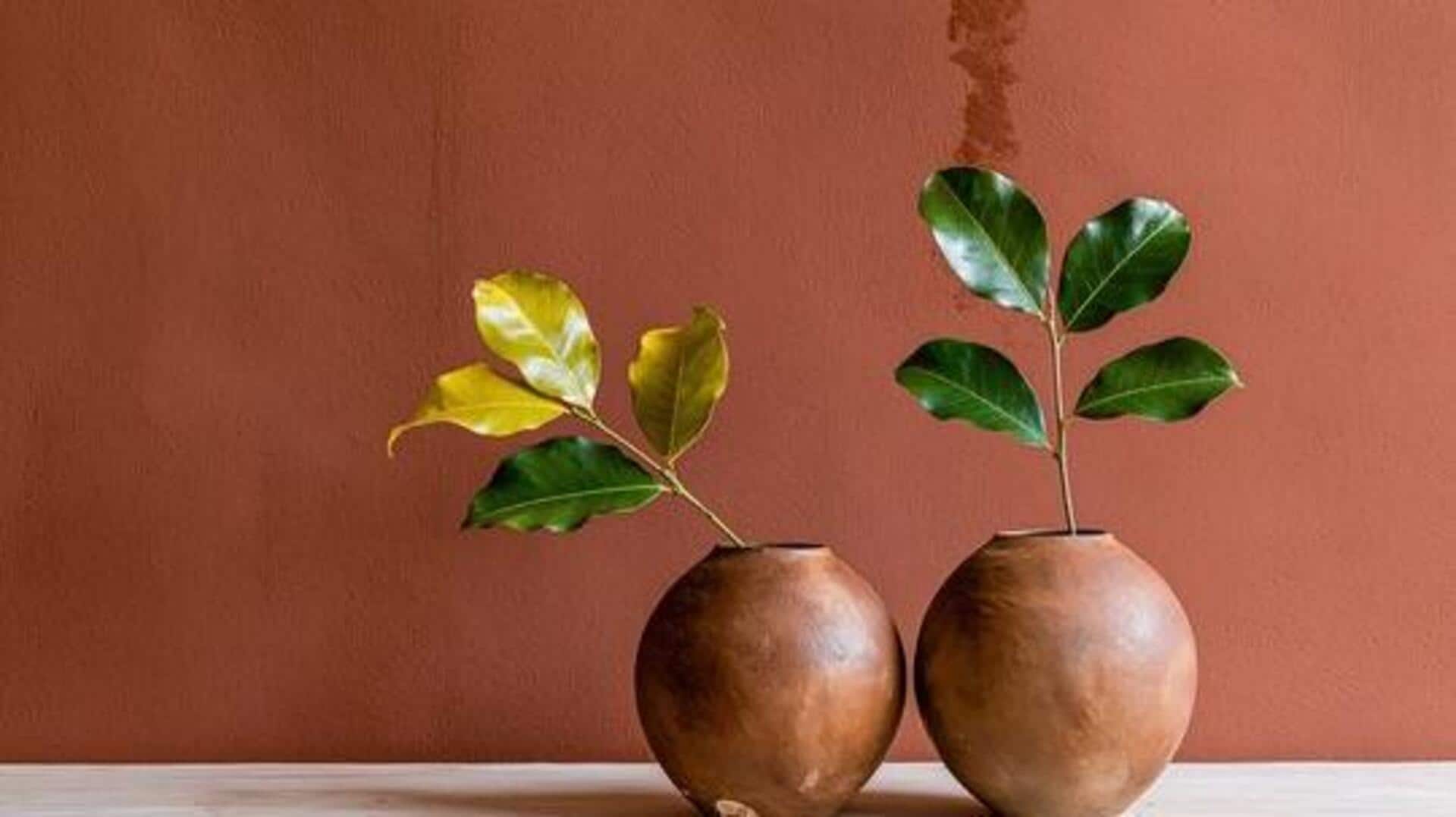
How to make beautiful clay pots at home
What's the story
Creating Zulu clay pots is an enriching experience that connects you to a centuries-old African tradition. This art form, which is characterized by intricate designs and cultural significance, can be easily practiced at home. With a few basic materials and tools, you can create beautiful pots that reflect the rich heritage of the Zulu people. Here is how you can get started on this artistic journey.
Tip 1
Gather your materials
To start making Zulu clay pots, first gather all the materials.
You will need natural clay, which you can source from local suppliers or craft stores.
Have water handy to keep the clay moist while working.
Basic tools, like a rolling pin, knife, and sponge, will help shape and refine your pot.
Having these materials ready will ensure a smooth crafting process.
Tip 2
Learn basic techniques
Start by learning basic techniques like coiling and pinching, which are commonly used in Zulu pottery.
Coiling involves rolling out long strips of clay and stacking them to form the pot's body.
Pinching involves shaping the clay by pinching it between your fingers to create desired forms.
Practicing these techniques will help you gain confidence in handling the clay.
Tip 3
Explore traditional designs
Zulu pottery is famous for its intricate patterns and designs that have cultural significance.
Research traditional Zulu patterns or consult resources that showcase these designs.
Incorporate these patterns into your work by using tools like sticks or combs to engrave them onto the surface of your pot.
This will not only enhance the aesthetic appeal but also pay homage to Zulu heritage.
Tip 4
Drying and firing process
After shaping your pot with desired techniques and designs, let it dry completely at room temperature.
Proper drying helps prevent cracking during firing, when temperatures rise far beyond those reached through natural sunlight exposure.
The drying process typically takes several hours, depending on the size and complexity of each piece crafted by artisans.