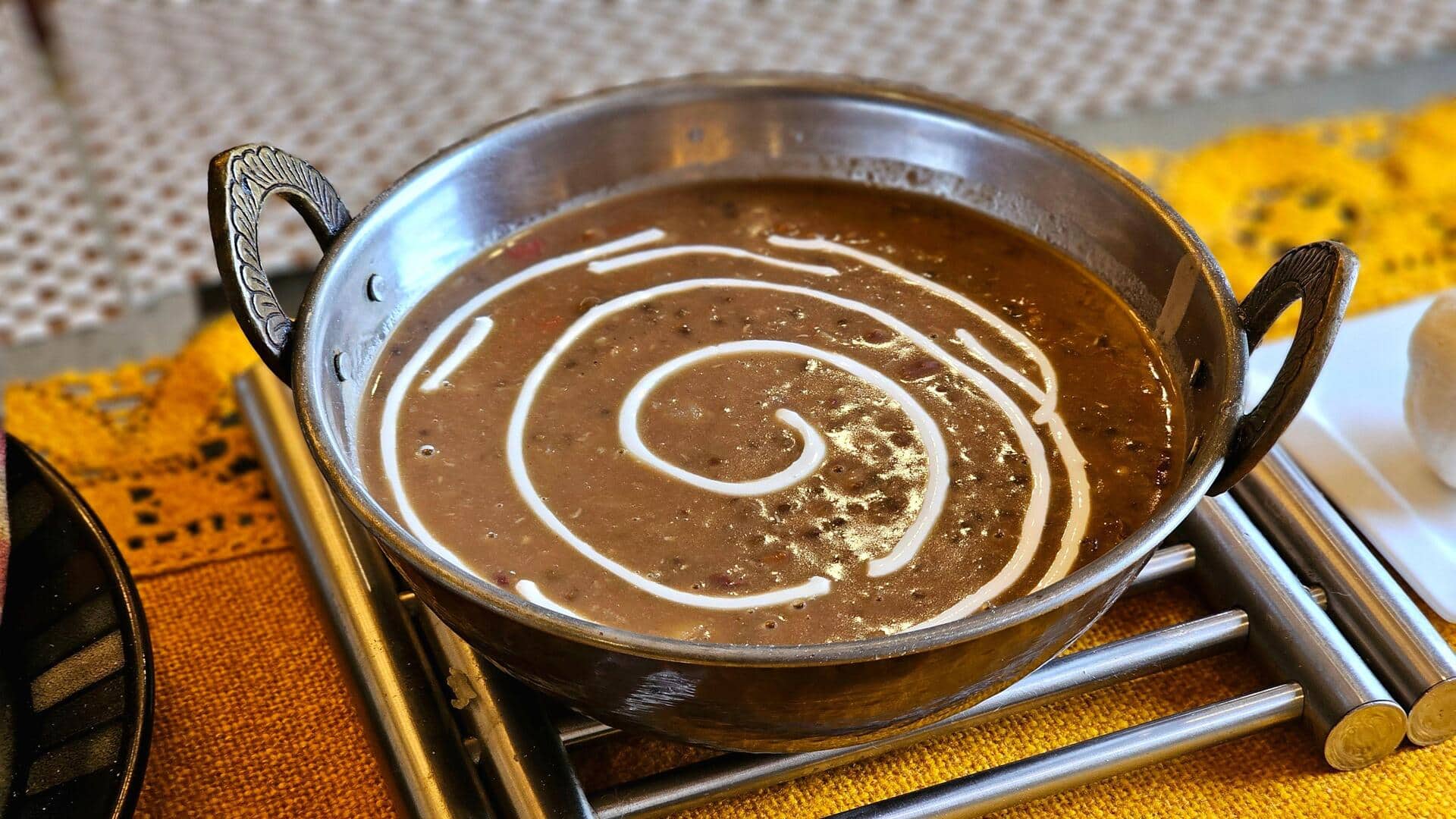
Comparing protein content in masoor dal and chia seeds
What's the story
Masoor dal and chia seeds are two popular plant-based protein sources. While masoor dal is a staple in many cuisines, chia seeds have gained popularity for their nutritional benefits. Both offer unique advantages in protein content and overall nutrition. Here is a look at the protein content of masoor dal and chia seeds, and how they compare in terms of dietary benefits.
#1
Protein content in masoor dal
Masoor dal, or red lentils, is a rich source of plant-based protein.
It has about 18 grams of protein per cooked cup (approximately 200 grams). This makes it an excellent option for vegetarians and vegans looking to up their protein intake.
Masoor dal is also rich in fiber, which supports digestion and helps you feel full.
#2
Nutritional benefits of chia seeds
Chia seeds are tiny powerhouses of nutrition, providing about five grams of protein per ounce (approximately 28 grams).
While they may not be as high in protein as masoor dal, they are loaded with omega-3 fatty acids, fiber, and antioxidants.
These nutrients help promote heart health and reduce inflammation, making chia seeds an excellent addition to any diet.
#3
Versatility in cooking
Masoor dal is extremely versatile and can be used in soups, stews, curries, or even as a side dish with rice or bread. Its mild flavor makes it blend well with spices and other ingredients.
Chia seeds can be added to smoothies, yogurt, oatmeal, or even used as an egg substitute in baking due to their gel-like consistency when soaked in water.