Keep your indoor plants happy with these tips
What's the story
Caring for indoor plants can be a rewarding experience, but it requires a bit of knowledge and attention. For beginners, understanding the basics of plant care is essential to keeping your greenery thriving. This article provides practical tips to help you master indoor plant care with ease. From choosing the right plants to watering and light requirements, these insights will help you create a healthy environment for your plants.
Tip 1
Choosing the right plants
Selecting suitable plants for your indoor environment is key to successful care.
Start with low-maintenance varieties like pothos or snake plants that tolerate varying conditions.
Consider factors like light availability and humidity levels in your home when making choices.
These resilient plants are forgiving and adapt well, making them perfect for beginners still learning the ropes of plant care.
Tip 2
Understanding light requirements
Light is crucial for indoor plants's growth and health.
Know the difference between direct, indirect, and low-light conditions to place your plants right.
Some need bright light near windows, while others flourish in shaded corners.
Observe how much natural light your space gets during the day and select plant placements accordingly to ensure they get the right amount of light.
Tip 3
Watering techniques
Overwatering is a common mistake among novice indoor gardeners.
Always check soil moisture before watering by sticking your finger an inch deep into the soil; if it's dry, it's time to water.
Use pots with drainage holes to prevent waterlogging, which can lead to root rot.
Adjust watering frequency according to seasonal changes; less frequent in winter months when growth slows down.
Tip 4
Soil and potting essentials
Choosing the right soil mix is essential for healthy indoor plants.
Most houseplants do well in a well-draining potting mix, which retains moisture but doesn't become soggy.
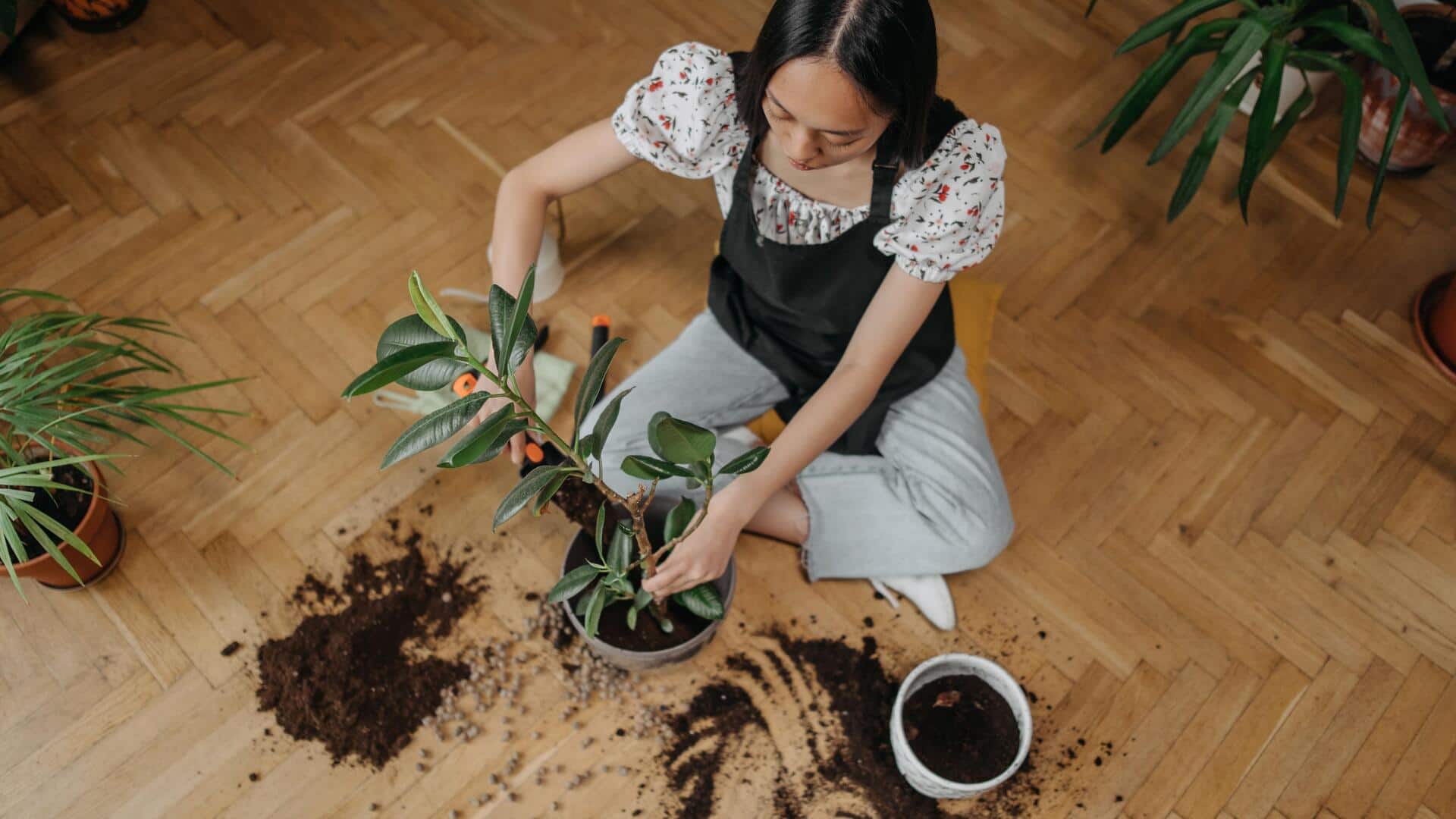
Repot every couple of years or when roots outgrow their container, using pots with drainage holes to prevent excess moisture buildup.
This practice keeps roots healthy and supports the overall growth of your plants.
Tip 5
Monitoring plant health regularly
Regularly check your plants for signs of stress or pests, such as yellowing leaves or webbing from spider mites.
These observations allow for timely interventions, like adjusting care routines or treating infestations promptly.
This proactive approach prevents minor issues from becoming major problems, ensuring your indoor garden remains vibrant and healthy.