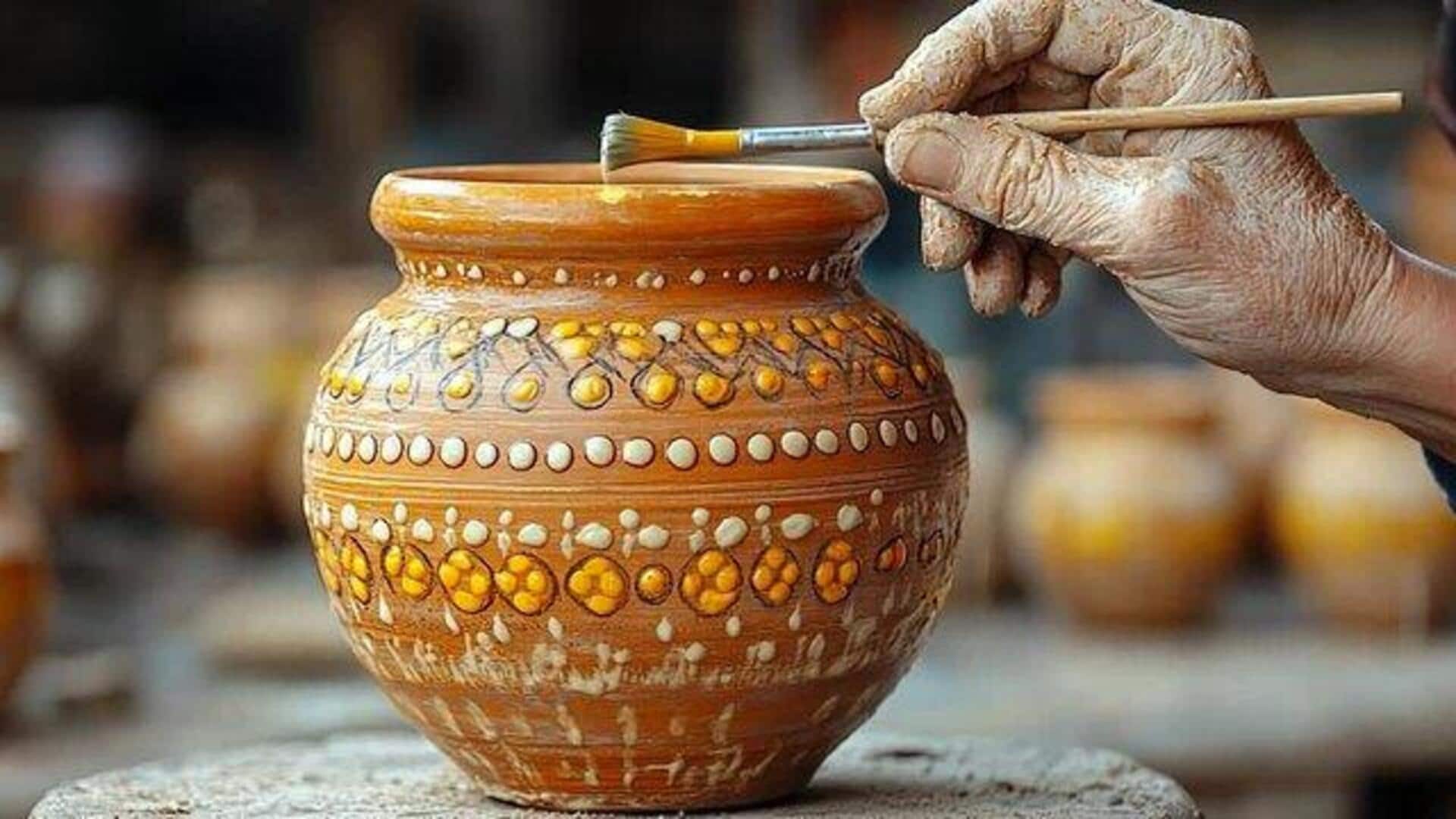
This is how you can transform boring ceramics
What's the story
African symbols are rich in cultural meaning and history, making them a unique choice for ceramic painting. Not only does painting these symbols on ceramics allow you to express creativity, but it also pays homage to African heritage. Whether you are a beginner or an experienced artist, learning the techniques of painting African symbols can be both rewarding and educational. Here are some tips and insights to help you master this art form.
Tip 1
Choosing the right materials
Selecting appropriate materials is essential for successful ceramic painting.
Choose high-quality ceramics that are smooth and free from imperfections.
Use non-toxic paints specifically designed for ceramics to ensure durability and safety.
Brushes with fine tips are ideal for detailed work, and larger ones can be used for broader strokes.
Having these materials ready will make your painting process smoother and more enjoyable.
Tip 2
Understanding African symbols
Before you start painting, it's important to understand the meanings behind the African symbols you want to use.
Each symbol has its own significance, be it representing concepts like strength, unity, or protection.
Researching these meanings will give depth to your artwork and make it more meaningful.
This knowledge will also help you choose symbols that resonate with your personal or cultural narrative.
Tip 3
Techniques for precision painting
Precision is key when painting intricate designs of African symbols on ceramics.
Start by sketching the design lightly with a pencil before applying paint.
Use a steady hand, and take breaks if needed to avoid fatigue.
Layering paint can add depth, but make sure each layer dries completely before adding another to prevent smudging.
Tip 4
Finishing touches and care tips
After completing your ceramic piece, let it dry completely before handling it too much.
If desired, apply a clear glaze over the painted surface to protect it from wear and tear, without altering its appearance significantly.
When caring for your finished piece, avoid harsh chemicals; instead, gently wash it with mild soap and water when necessary.