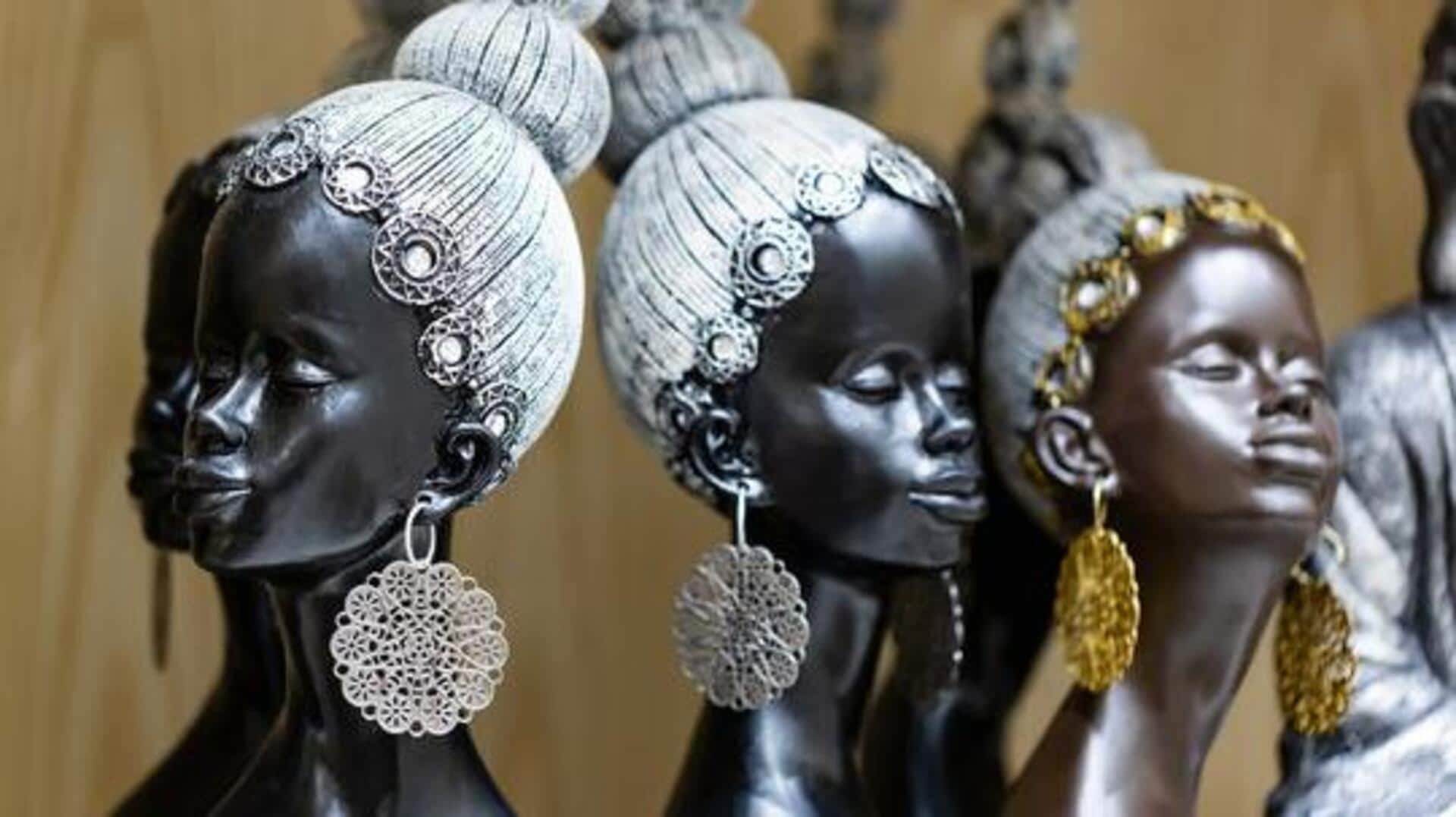
Basotho sculptures: What makes them so unique
What's the story
The Basotho people of Southern Africa have a rich cultural heritage, especially in the field of sculpture. Traditional Basotho sculptures are characterized by their unique style and use of local materials. However, modern African sculptors are now experimenting with new materials to create innovative works that pay homage to this heritage. This article explores how these artists blend tradition with modernity, using various materials to craft sculptures that resonate with contemporary audiences.
#1
Traditional materials in Basotho sculpture
Traditionally, Basotho sculptures were created using locally sourced materials such as wood and stone. These materials were chosen for their availability and cultural significance. Wood was often used for its malleability, allowing artists to carve intricate designs that reflected the community's values and beliefs. Stone, on the other hand, was favored for its durability and ability to withstand the elements.
#2
Modern materials: A new era in sculpture
In recent years, African sculptors have begun to experiment with modern materials such as metal, glass, and recycled objects. These materials offer new possibilities for expression and innovation in the art form. Metal allows for more dynamic forms and structures that can be both lightweight, yet strong. Glass adds an element of transparency and light play that can enhance the visual impact of a piece.
#3
Blending tradition with innovation
Many artists are finding ways to blend traditional techniques with modern materials. By doing so, they create pieces that honor their cultural roots while also appealing to contemporary tastes. For example, a sculptor might use traditional carving techniques on a metal base or incorporate glass elements into a wooden figure. This fusion creates a dialogue between past and present, enriching both the artwork's narrative depth and aesthetic appeal.
#4
Impact on cultural identity
The use of modern materials in Basotho sculpture also impacts cultural identity by bridging generational gaps. Younger artists who experiment with new mediums often do so in a way that respects traditional forms. This ensures that the essence of their heritage is preserved, while also evolving the art form to reflect modern influences. The result is a dynamic interplay between tradition and innovation, which keeps cultural identity alive and relevant.