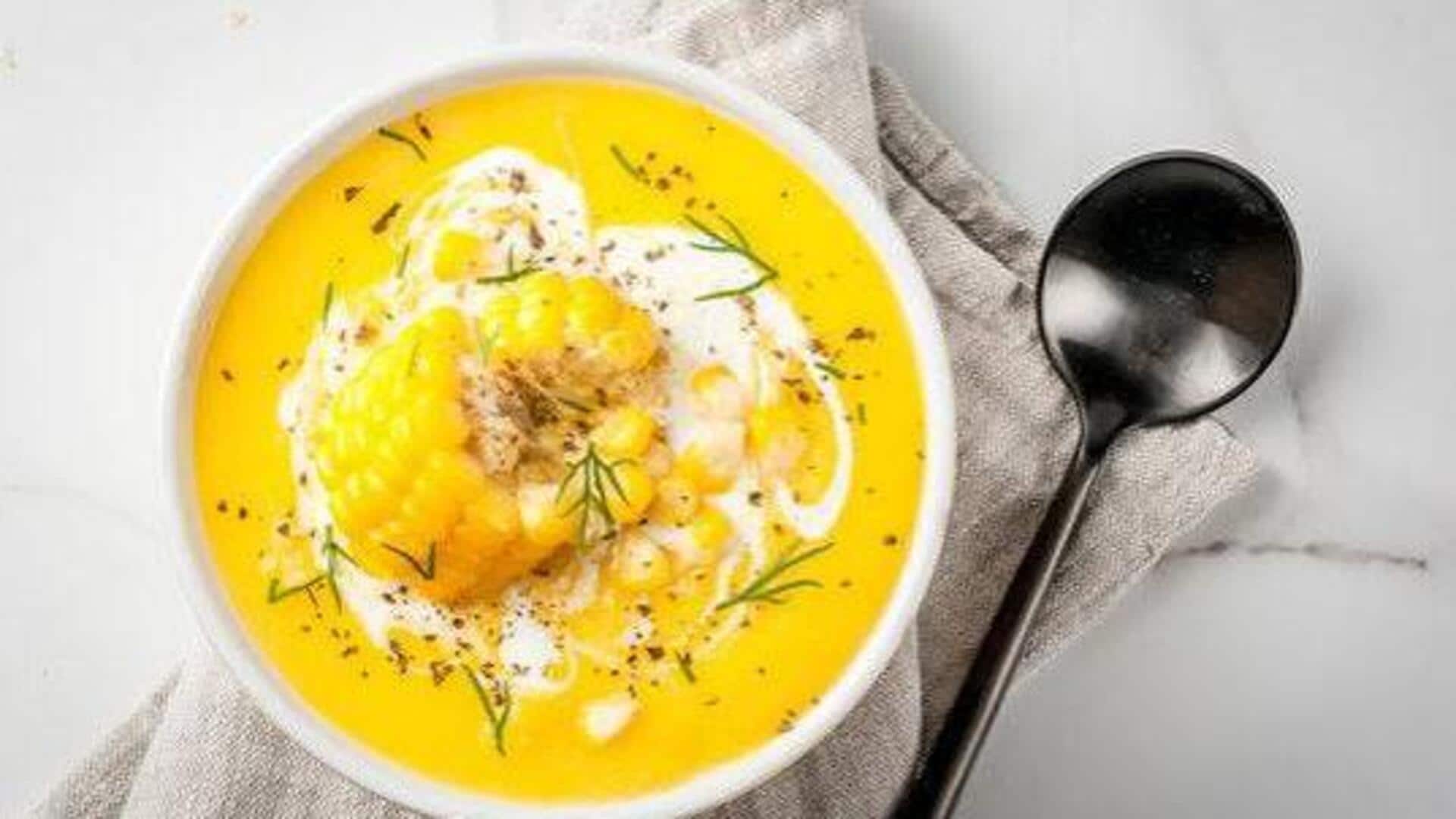
Corn lovers, give these African dishes a try
What's the story
Nguni corn, a traditional African staple, is a versatile ingredient that has been a part of culinary practices for centuries. Known for its resilience and adaptability, nguni corn is used in various dishes across the continent. Its unique properties make it an essential part of many diets, providing both nutritional value and cultural significance. Here are five ways to use nguni corn in your cooking.
Dish 1
Transforming nguni corn into porridge
Nguni corn can be ground into a fine meal to prepare a nutritious porridge.
This dish is commonly eaten as breakfast or a light meal throughout Africa.
To prepare, boil water and add the ground nguni corn meal while stirring continuously until it thickens to the desired consistency.
Serve hot with milk or honey for added flavor.
Dish 2
Baking traditional nguni corn bread
Nguni cornmeal can also be used to bake traditional bread that goes well with different dishes.
The process involves mixing the meal with water, salt, and sometimes a leavening agent, before baking it in an oven or over an open fire.
The result is a dense, yet flavorful bread that complements stews and soups.
Dish 3
Crafting nguni corn-based snacks
From nguni cornmeal, you can also prepare delicious snacks by mixing it with ingredients like peanuts or sugarcane syrup.
These snacks are often enjoyed as treats during gatherings or celebrations.
They provide an energy boost and satisfy sweet cravings without relying on processed sugars.
Dish 4
Incorporating nguni corn into soups
Adding ground nguni corn to soups not only thickens them but also enhances their nutritional content.
This technique is particularly useful during colder months when hearty soups are preferred.
The cornmeal adds depth of flavor, while ensuring the soup remains filling and satisfying.
Dish 5
Using nguni corn for thickening sauces
Nguni cornmeal can be used as a natural thickening agent for sauces and gravies.
By mixing it with a small amount of cold water to form a paste before adding it to hot liquids, cooks can achieve the desired thickness without altering the taste significantly.
This method is especially useful for those looking for gluten-free alternatives in their cooking.