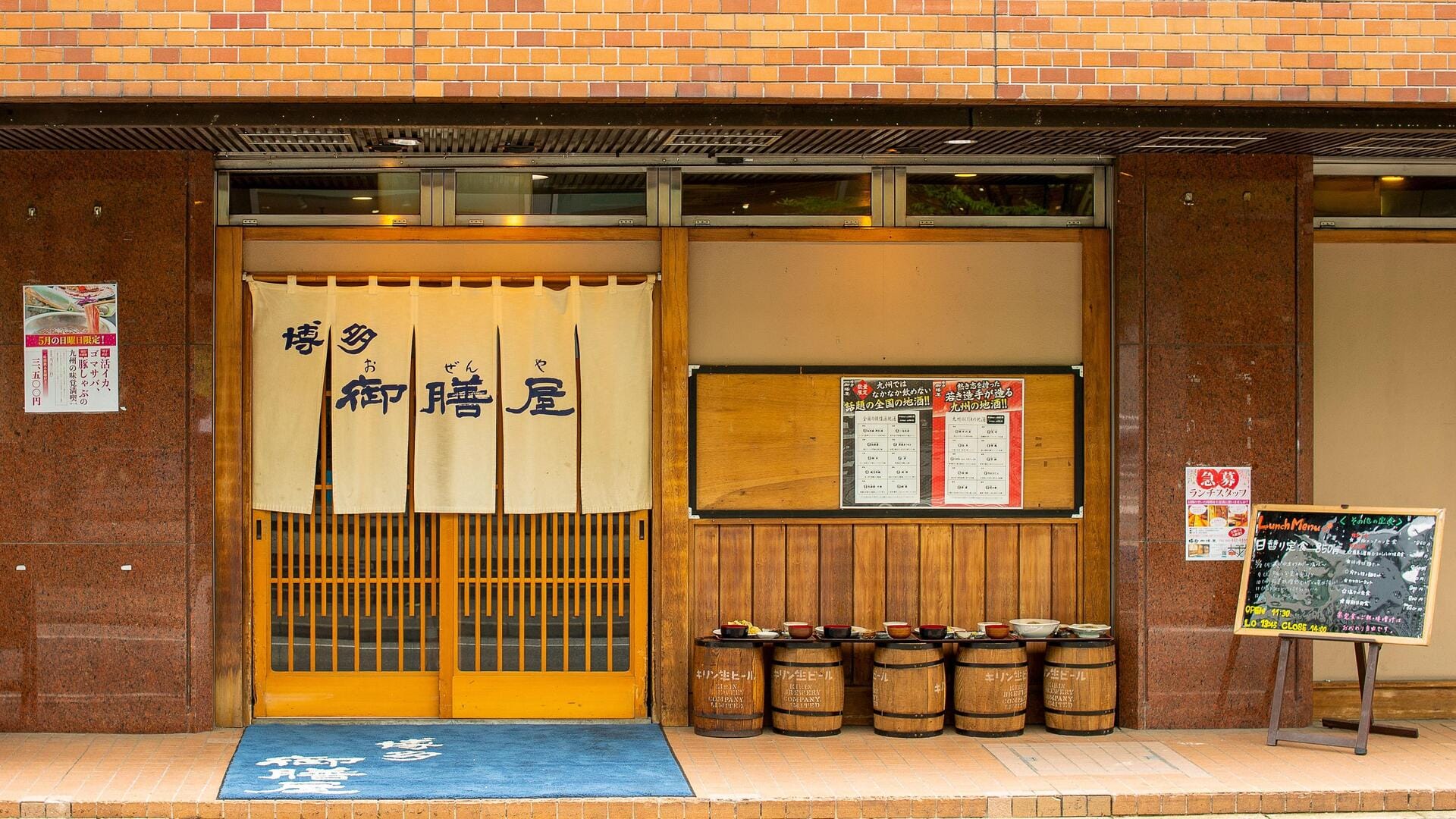
Noren: The Japanese curtains with a rich history
What's the story
Noren door curtains are a quintessential part of Japanese culture, serving both practical and aesthetic purposes. These fabric panels, usually hung in doorways or windows, provide privacy while allowing light and air to pass through. Traditionally used in homes and shops, noren come in a variety of designs and colors. They are not just functional but also an expression of art and tradition.
#1
Historical significance of Noren
Noren have been a part of Japanese culture for centuries.
They first appeared during the Edo period (1603-1868) when they were used by merchants to indicate open or closed status.
Over time, their use spread to homes and other establishments.
Today, noren are seen as a symbol of Japanese heritage, with many people using them as decorative elements.
#2
Materials used in noren
Traditionally, noren were made from cotton or linen because of their durability and breathability.
These materials are perfect for withstanding the elements while also being easy to maintain.
Nowadays, synthetic fabrics are also being used for added durability and ease of cleaning. However, cotton remains the most popular choice for its natural feel.
#3
Artistic designs of Noren
The designs of noren can be as simple as solid colors or as intricate as detailed patterns depicting nature or cultural motifs.
Each design carries its own meaning or purpose; some may represent good luck or prosperity, while others might reflect seasonal changes.
The artistic aspect makes every piece unique.
#4
Modern uses of noren
In modern times, noren have transcended their traditional roles to become versatile decorative items used in various settings beyond Japan.
They are now commonly seen in cafes, restaurants, and even homes around the world looking for an authentic touch.
Their adaptability makes them suitable for contemporary interiors as well as traditional ones.