All about Norway's stunning stone villages
What's the story
Norway's stone villages are a testament to the country's rich architectural heritage and natural beauty. These villages, with their unique stone constructions, give a glimpse of traditional Norwegian life. From the cobblestone streets to the quaint stone houses, each village has its own charm and history. Exploring these villages gives you an insight into Norway's past and its connection to nature.
#1
Historical significance of stone villages
The stone villages of Norway date back centuries when sturdy materials were required to withstand the harsh climate.
Stone was easily available and durable, making it a popular choice for construction.
These villages were often built around trade routes or fishing areas, making them important economic centers in their time.
Today, they are preserved as historical sites that reflect Norway's architectural evolution.
#2
Unique architectural features
Norwegian stone villages are famous for their one-of-a-kind architectural features.
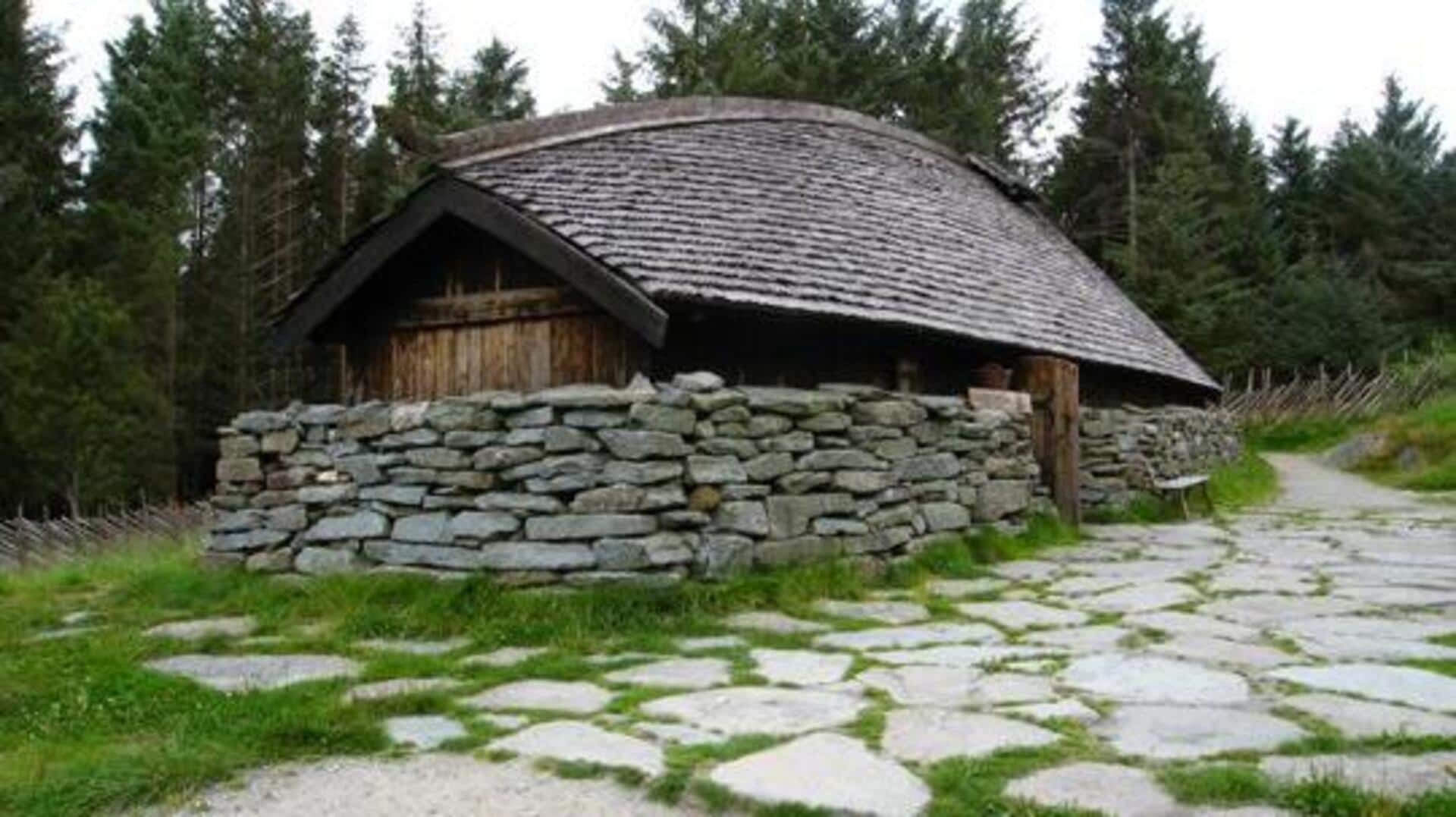
The buildings are usually made of local stones, which blend beautifully with the landscape.
The roofs are often covered with grass or moss, providing insulation and blending in with the surroundings.
Narrow streets and small squares make up the layout of these villages, encouraging community interaction and making them pedestrian-friendly.
#3
Natural surroundings enhance village charm
The natural surroundings of Norway's stone villages add to their charm.
Most of them are located near fjords or mountains, providing stunning views and opportunities for outdoor activities, like hiking or fishing.
The proximity to nature also means that these areas are rich in wildlife, which can be spotted by visitors exploring the region.
#4
Modern adaptations in traditional settings
While preserving their historical essence, some Norwegian stone villages have adapted to modernity.
Some have incorporated modern amenities without compromising on their traditional charm.
This way, they can cater to the needs of contemporary tourists who seek comfort along with authenticity during their visits.
These adaptations ensure that these picturesque locales remain relevant today, while still showcasing their unique cultural heritage.