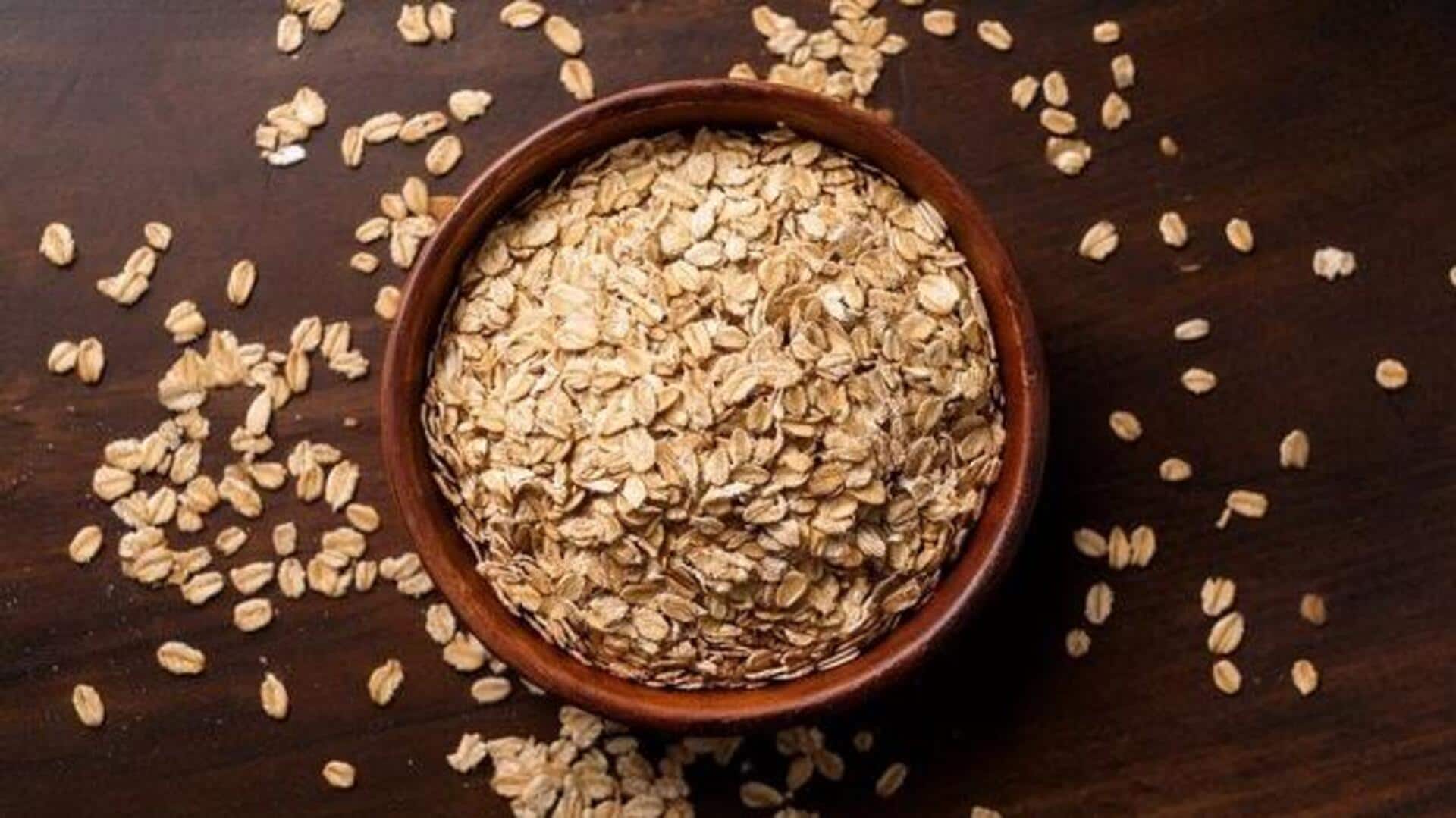
Are oats as healthy as people think?
What's the story
Oats are often touted as a superfood, but there are several myths regarding their nutritional value that need to be debunked. While oats are a healthy whole grain, some misconceptions can lead to unrealistic expectations of their benefits. Knowing the truth behind these myths can help you make informed dietary choices. Here are five common myths about oats' nutritional value, and the facts that dispel them.
#1
Myth: Oats are always gluten-free
While oats are naturally gluten-free, they are often contaminated with gluten during processing. This happens when they are processed in facilities that also handle wheat and other gluten-containing grains. For those with celiac disease or gluten sensitivity, it is important to choose certified gluten-free oats to avoid any adverse reactions.
#2
Myth: Oats help you lose weight quickly
Oats are often marketed as a quick fix for weight loss, but that's misleading. While they are high in fiber and can keep you full, they won't magically make you lose weight. Eating oats as part of a balanced diet can help with weight management by keeping you full, but they should not be relied on solely for losing those extra pounds.
#3
Myth: Instant oats have no nutritional value
Instant oats are often looked down upon for being less nutritious than rolled or steel-cut oats, but that is not true. Instant oats are just as nutritious as other forms of oats, but they cook faster as they are pre-cooked and dried. They still offer the same health benefits, like lowering cholesterol and improving heart health, making them a convenient and healthy option.
#4
Myth: Oats are high in sugar
Many people think that eating oats means eating sugar, but that's not true. Plain, unflavored oat varieties are naturally low in sugar. The misconception comes from flavored oat products that have added sugars for taste. By choosing plain oats, and controlling the ingredients you add, you can keep your sugar intake low while enjoying the many benefits of this whole grain.
#5
Myth: All oat products provide the same health benefits
Not all oat products provide the same health benefits, depending on how they're processed and what they're mixed with. For example, granola bars made with oats may have added sugars or fats that negate the health benefits of eating whole grains. Choosing minimally processed oat products, without unnecessary additives, is important to reap the maximum health benefits.