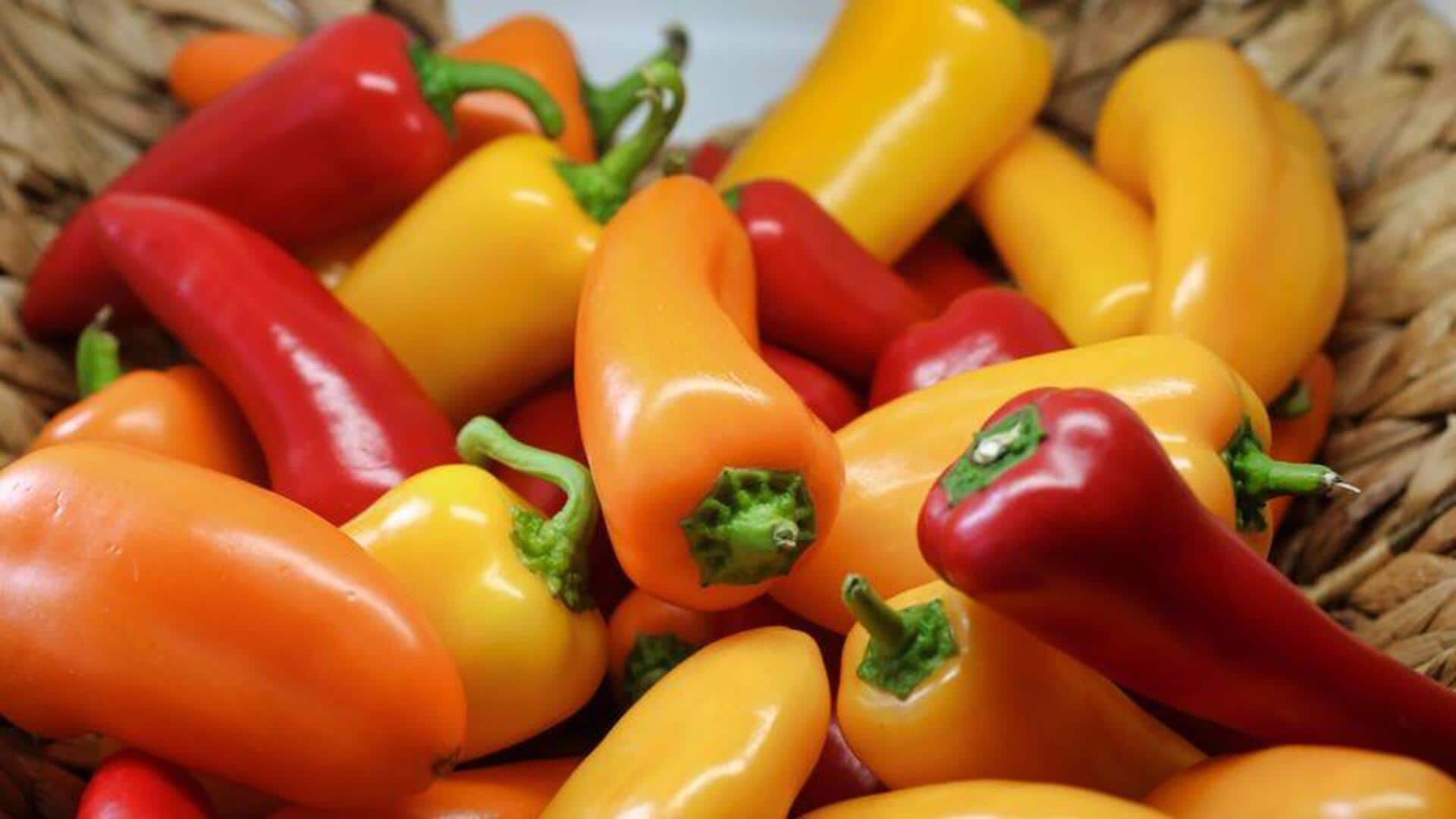
How paprika can help support heart health
What's the story
Paprika, a vibrant spice made from grinding dried peppers, is more than just a colorful addition to your dishes. This spice is packed with nutrients that can promote heart health. It is rich in antioxidants and vitamins, which can help reduce inflammation and improve circulation. Adding paprika to your diet may be an easy way to support cardiovascular wellness without making drastic dietary changes.
#1
Rich in antioxidants
Paprika is loaded with antioxidants such as vitamin C and beta-carotene.
These compounds neutralize free radicals in the body, which can damage cells and lead to heart disease.
By reducing oxidative stress, these antioxidants may help keep your heart healthy.
Adding paprika to your meals can be an easy way to boost your antioxidant intake.
#2
Supports healthy blood pressure
The potassium content in paprika also helps regulate blood pressure by balancing sodium levels in the body.
A diet rich in potassium is recommended for maintaining healthy blood pressure levels.
Including paprika as part of a balanced diet may contribute positively to cardiovascular health by supporting normal blood pressure.
#3
Anti-inflammatory properties
Capsaicin, the compound that gives paprika its heat, has anti-inflammatory properties.
It helps reduce inflammation in the body, which is a major contributor to many chronic diseases, including heart disease.
By adding paprika to your diet, you may be able to manage inflammation better, and support overall heart health.
#4
Enhances circulation
Paprika contains compounds that promote better circulation by relaxing blood vessels and improving blood flow.
Improved circulation ensures that oxygen and nutrients are efficiently delivered throughout the body, supporting overall cardiovascular function.
Adding this spice to regular meals could be beneficial for those looking to enhance their circulation naturally.
#5
Aids cholesterol management
Some studies suggest that the compounds found in paprika may help manage cholesterol levels by increasing HDL (good) cholesterol while reducing LDL (bad) cholesterol oxidation.
This balance is essential for preventing plaque buildup in arteries and maintaining healthy cholesterol levels over time.
Regularly consuming paprika as part of a balanced diet could aid cholesterol management effectively.