Help your plants thrive with proper repotting
What's the story
Repotting is a crucial part of keeping your plants healthy and thriving. It gives plants more space to grow, fresh nutrients, and a better environment. Knowing the right time and method to repot can make all the difference in your plant's health. In this article, we will look at some practical tips to help you repot your plants like a pro.
Timing
Choosing the right time
The best time to repot most plants is during their active growing season, which is usually spring or early summer.
During this time, plants are more likely to recover quickly from the shock of being moved.
Avoid repotting during dormancy, when growth slows down significantly.
Observing signs like roots growing out of drainage holes or stunted growth can also indicate it's time for a change.
Soil choice
Selecting appropriate soil
Choosing the right soil mix is essential for plant health after repotting.
Use a well-draining potting mix suited for your specific plant type, succulents require sandy mixes, while ferns prefer moisture-retentive soils.
Avoid using garden soil indoors as it may compact over time and harbor pests.
Pot preparation
Preparing new pots
Before transferring your plant, ensure that the new pot has proper drainage holes to prevent waterlogging.
Choose a pot that's one size bigger than the current one; too big a pot can lead to root rot due to excess moisture retention.
Clean the new container with soapy water and rinse thoroughly before use.
Plant handling
Handling plants carefully
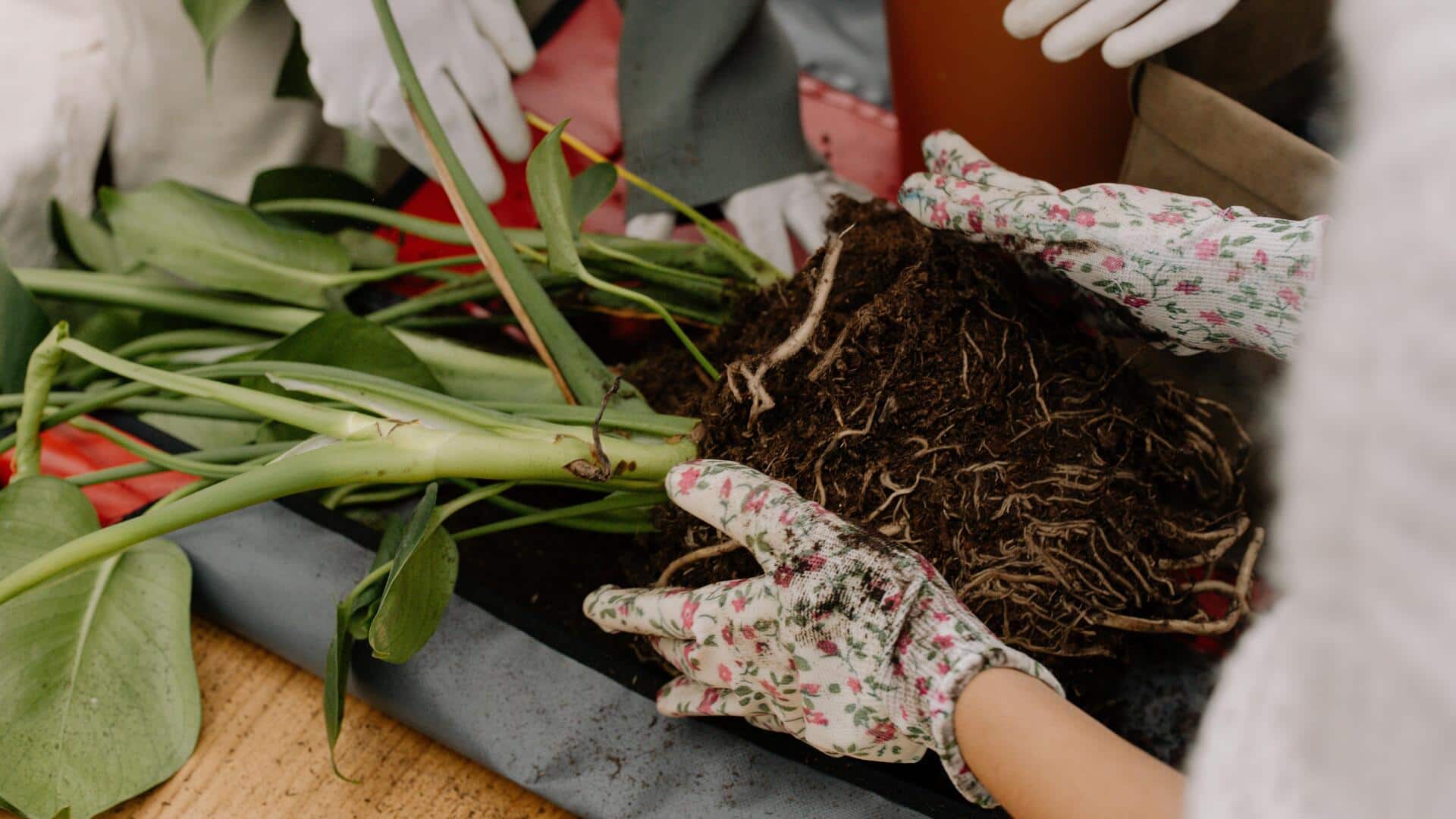
When removing a plant from its old container, gently loosen the root ball without causing damage.
If roots are tightly bound, consider pruning them slightly with sterilized scissors to encourage new growth.
Handle stems carefully during this process to avoid unnecessary stress on the plant.
Post-repotting care
Watering after repotting
After repotting, water your plant thoroughly but ensure excess water drains out completely from the bottom of the pot.
This helps settle the soil around roots while preventing dehydration or over-saturation issues later on.
Monitor moisture levels closely in subsequent weeks by checking topsoil dryness before watering again as needed.