Poha + jalebi: The sweet-savory combo you must try
What's the story
Poha and jalebi is a popular breakfast combination that is loved across India. The savory poha, made from flattened rice, and sweet jalebi, a deep-fried dessert soaked in sugar syrup, make for a perfect balance of flavors. This combo is not just delicious but also easy to prepare. Both dishes have their own unique preparation methods and regional variations, making them a versatile choice for breakfast lovers.
Dish 1
Preparing perfect poha
To make perfect poha, start by rinsing the flattened rice until it is soft but not mushy.
In a pan, heat oil and add mustard seeds, cumin seeds, and curry leaves for tempering.
Add chopped onions and green chilies for flavor. Once the onions are translucent, add turmeric powder and salt.
Mix in the softened poha, and garnish with fresh coriander leaves. Serve hot with lemon wedges for an extra zing.
Dish 2
Making traditional jalebi
For traditional jalebi, prepare a batter using all-purpose flour and yogurt or besan for fermentation.
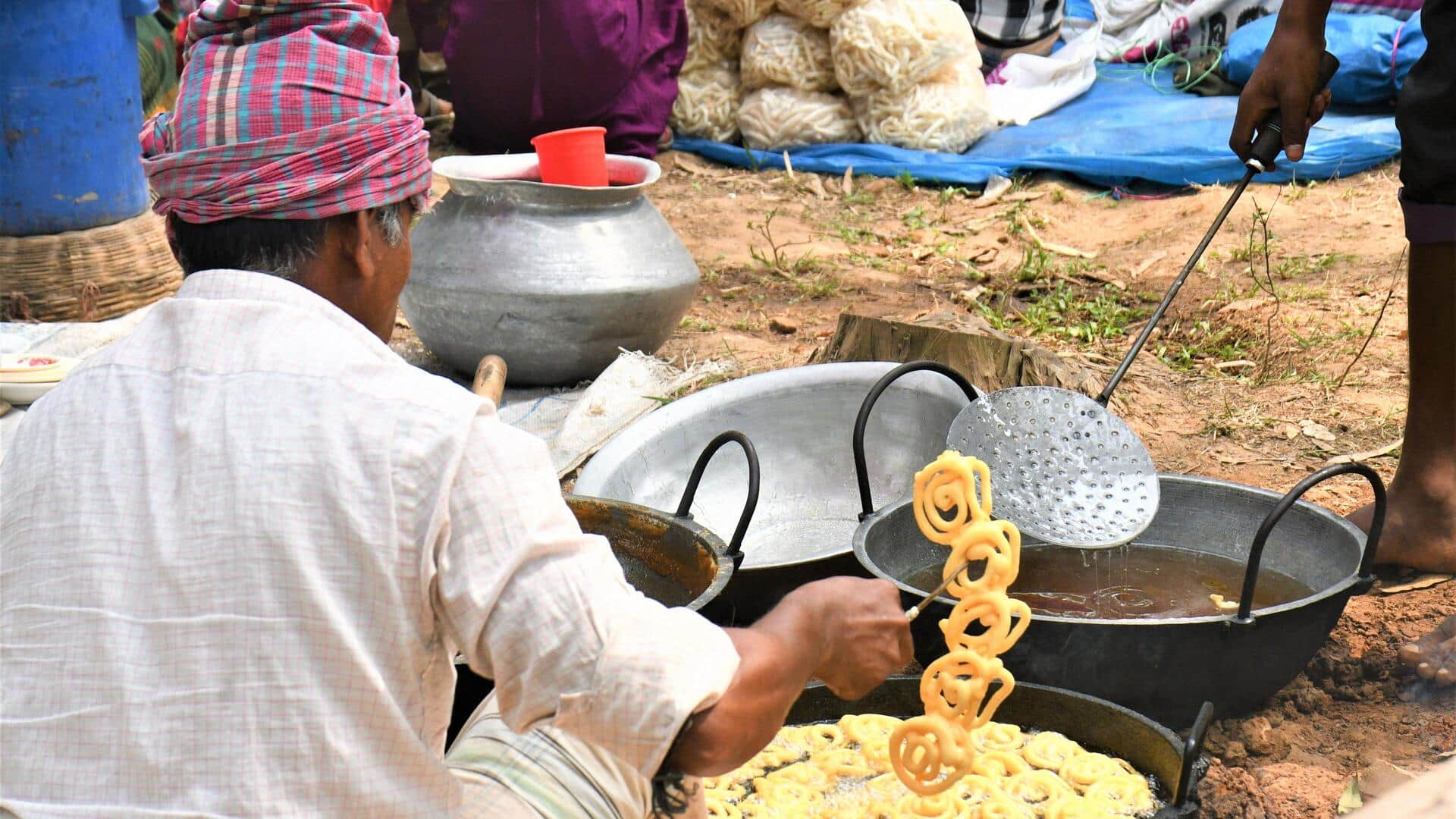
After the batter rises, pipe it into spiral shapes in hot oil until golden brown.
Soak these spirals in sugar syrup flavored with cardamom water or saffron strands for added aroma.
Crispy on the outside and juicy on the inside, jalebis are best enjoyed fresh.
Variation 1
Regional variations of poha
Poha has many regional variations across India, each with its own unique twist.
In Maharashtra, it is often garnished with sev or pomegranate seeds for added texture.
In Indore, a special version is served with a side of spicy chutneys or bhajiya for an extra kick.
Each region adds its own local ingredients to make this dish even tastier.
Tip 1
Tips for serving jalebi with poha
When serving jalebi with poha, ensure that both dishes are at the right temperature; poha should be warm, while jalebis should be freshly made to retain their crispiness.
You may also add some nuts, like almonds or pistachios, on top of jalebis to add crunch.
This will make the whole experience even better without overpowering the natural flavors of either dish.