
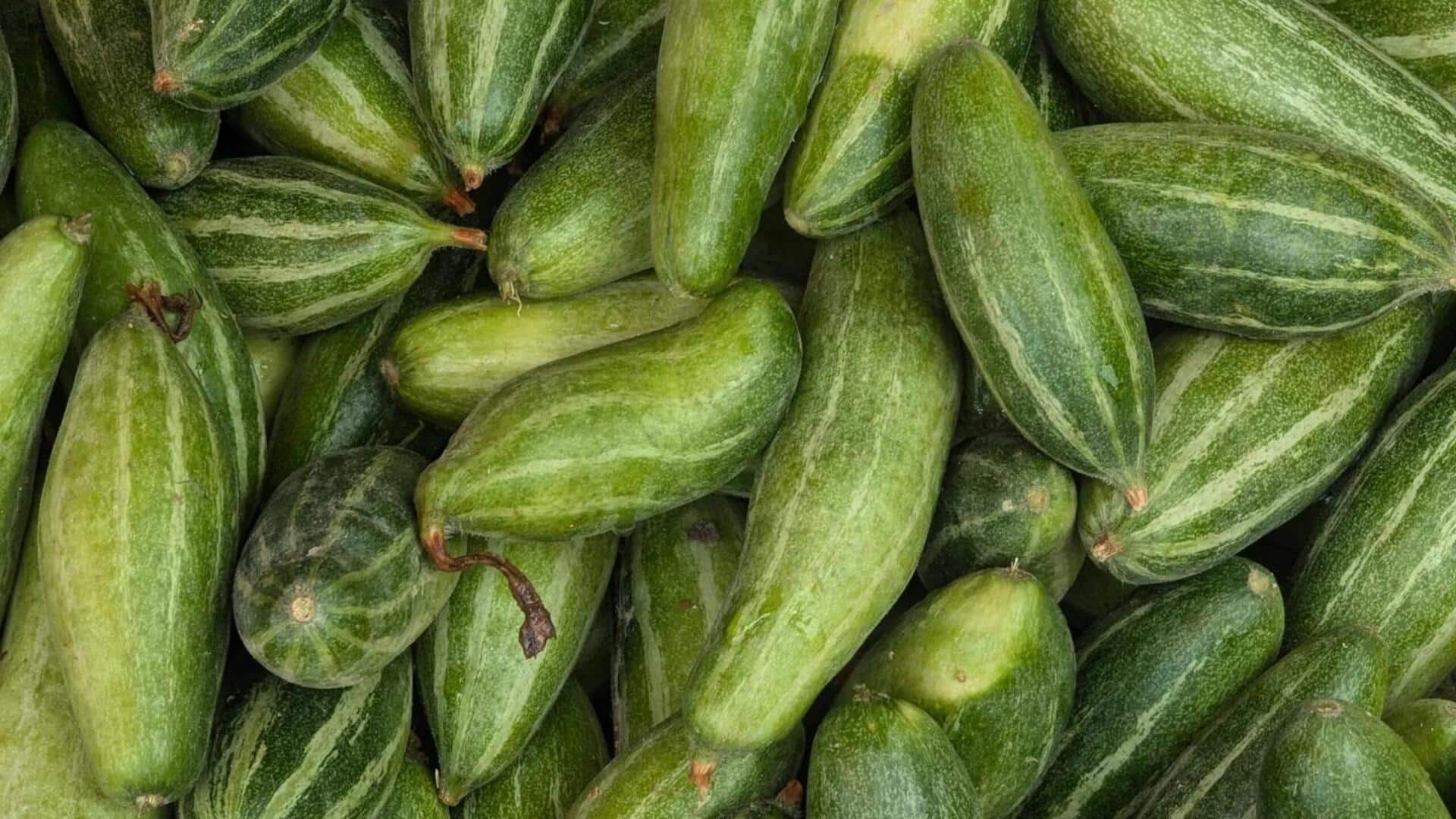
Pointed gourd v/s ivy gourd: Which is healthier?
What's the story
Pointed gourd and ivy gourd are two popular vegetables in the Indian subcontinent. Both are loaded with nutrients and have been a part of traditional diets for centuries. While they may look similar, both have distinct nutritional profiles that can affect health in different ways. Knowing these differences can help you make informed dietary choices. Here's a look at the nutritional benefits of both.
#1
Nutritional profile of pointed gourd
Pointed gourd, also known as parwal or patol, is low in calories but high in essential nutrients. It is a good source of vitamins A and C, which help boost immunity and improve vision. The vegetable is also rich in dietary fiber, which promotes digestion and helps maintain healthy cholesterol levels. Pointed gourd also contains minerals like potassium and magnesium that support heart health.
#2
Health benefits of Ivy gourd
Ivy gourd, popularly known as tendli or little gourd, is packed with antioxidants that fight oxidative stress in the body. It is also rich in vitamin B complex, which is important for energy production and brain function. The high water content of ivy gourd keeps you hydrated, while its fiber content helps with weight management by keeping you full.
#3
Culinary uses in traditional dishes
Both pointed gourd and ivy gourd are used in a number of traditional Indian dishes. Pointed gourd is often cooked with spices to make curries or stir-fries, whereas ivy gourd is commonly used in pickles or as a side dish with rice. Their versatility makes them a staple in many households across the region.
Tip 1
Tips for incorporating these vegetables into your diet
To reap the maximum benefits from these vegetables, include them regularly in your meals without compromising on taste. Try adding sliced pointed gourds to your salads or soups for an extra crunch. For a quick snack option, saute some ivy gourds with spices of your choice. This way, you can enjoy the flavors while getting the nutrients they offer.