The story behind Polynesian tattoo designs
What's the story
Polynesian tattoos, also known as tatau, are more than just body art. They are a form of cultural expression, rich in history and meaning. Each design tells a story, representing elements such as family lineage, social status, and personal achievements. The intricate patterns are not just aesthetically pleasing but also deeply symbolic. Understanding these tattoos involves delving into the traditions and values of Polynesian culture.
#1
The significance of patterns
In Polynesian tattooing, every pattern has a specific meaning. Lines may denote the ocean's waves, while spirals can symbolize life's journey.
These patterns are meticulously chosen to reflect the individual's identity and heritage.
The placement of these tattoos on the body is equally important, as it can signify different aspects of one's life or personality.
#2
Tools and techniques used
Traditionally, Polynesian tattoos were applied using tools made from natural materials like bone or wood.
The process involved tapping ink into the skin with a stick-like instrument.
This method is still practiced by some artists today who wish to preserve traditional techniques.
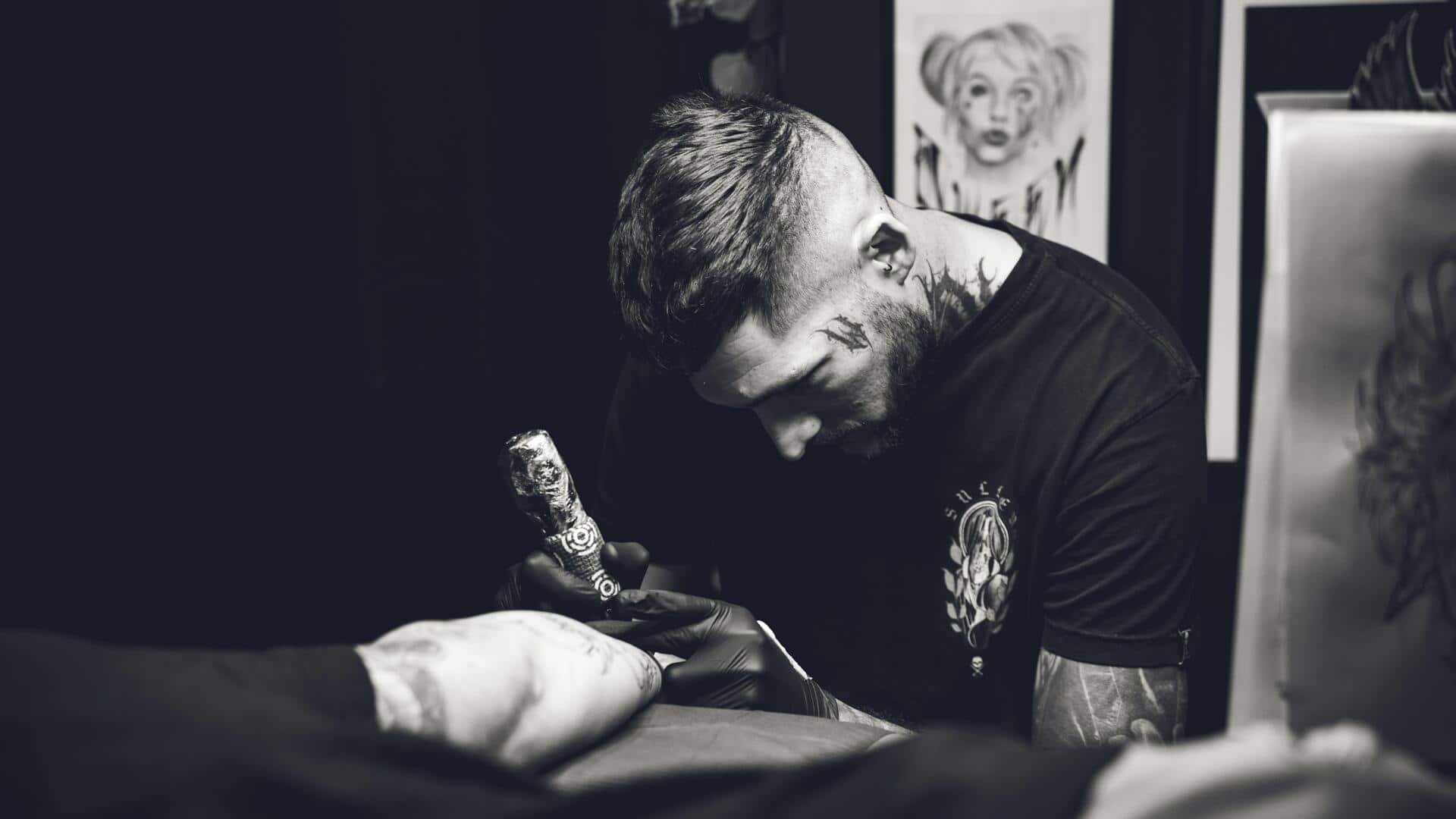
Modern methods may use machines but aim to maintain cultural authenticity.
#3
Cultural rituals involved
Getting a Polynesian tattoo is often a ritualistic affair, involving ceremonies that honor ancestors and the spirits of the ocean.
These rituals can differ from island to island, but they all have a common goal: to pay homage to the culture's rich history and traditions.
Participants may be required to go through rites of passage before they can get their tattoos, which adds to the spiritual importance of the experience.
#4
Modern interpretations today
Today, Polynesian tattoos have also been embraced globally as an art form, far beyond their cultural roots.
However, this global popularity has also raised concerns over cultural appropriation.
Artists and enthusiasts alike are encouraged to learn about the origins and meanings behind these designs before adopting them personally or commercially.