India has quake warning system for seismically active Himalayan belt
What's the story
India may not have a foolproof earthquake prediction technology, but it does have an early warning system in place. The system is primarily operational in the Himalayan region and can provide a few seconds of advance notice after an earthquake starts. The Indian Institute of Technology (IIT) Roorkee, in collaboration with the Uttarakhand government, has been at the forefront of these efforts.
Technological innovation
IIT Roorkee and Uttarakhand government have developed BhuDEV app
The IIT Roorkee and Uttarakhand government have developed an advanced earthquake early warning app called BhuDEV. This app uses technology to protect and prepare people from the dangers of earthquakes.
Last December, the government said the National Centre for Seismology (NCS) was making steady and systematic progress toward establishing an operational Earthquake Early Warning (EEW) system in India.
Government
Real-time seismic network dedicated to EEW initiated across Himalayan region
"A real-time seismic network dedicated to EEW has been initiated across the Himalayan region, including the installation of 10 P-Alert instruments in the Himachal Himalayas for rapid ground-motion detection," the government said.
Sensor networks are placed near active fault zones in the Garhwal and Kumaon regions.
"Concurrently, NCS is actively developing and testing prototype EEW algorithms for reliable P-wave detection, rapid magnitude estimation, and early shaking prediction, using regional datasets," it added.
System functionality
How the early warning system works
The early warning system works by detecting P-waves (primary waves) of an earthquake, which are the first to arrive and usually cause less damage.
These P-waves are detected near the epicenter and alerts are sent to areas farther away before stronger waves hit.
The time available for a warning depends on how far a place is from the epicenter.
Larger, slower S-waves come after P-waves, creating more dangerous earth-shaking movements. L-waves come last and are the most destructive.
Future developments
Venezuela does not have a national EEW
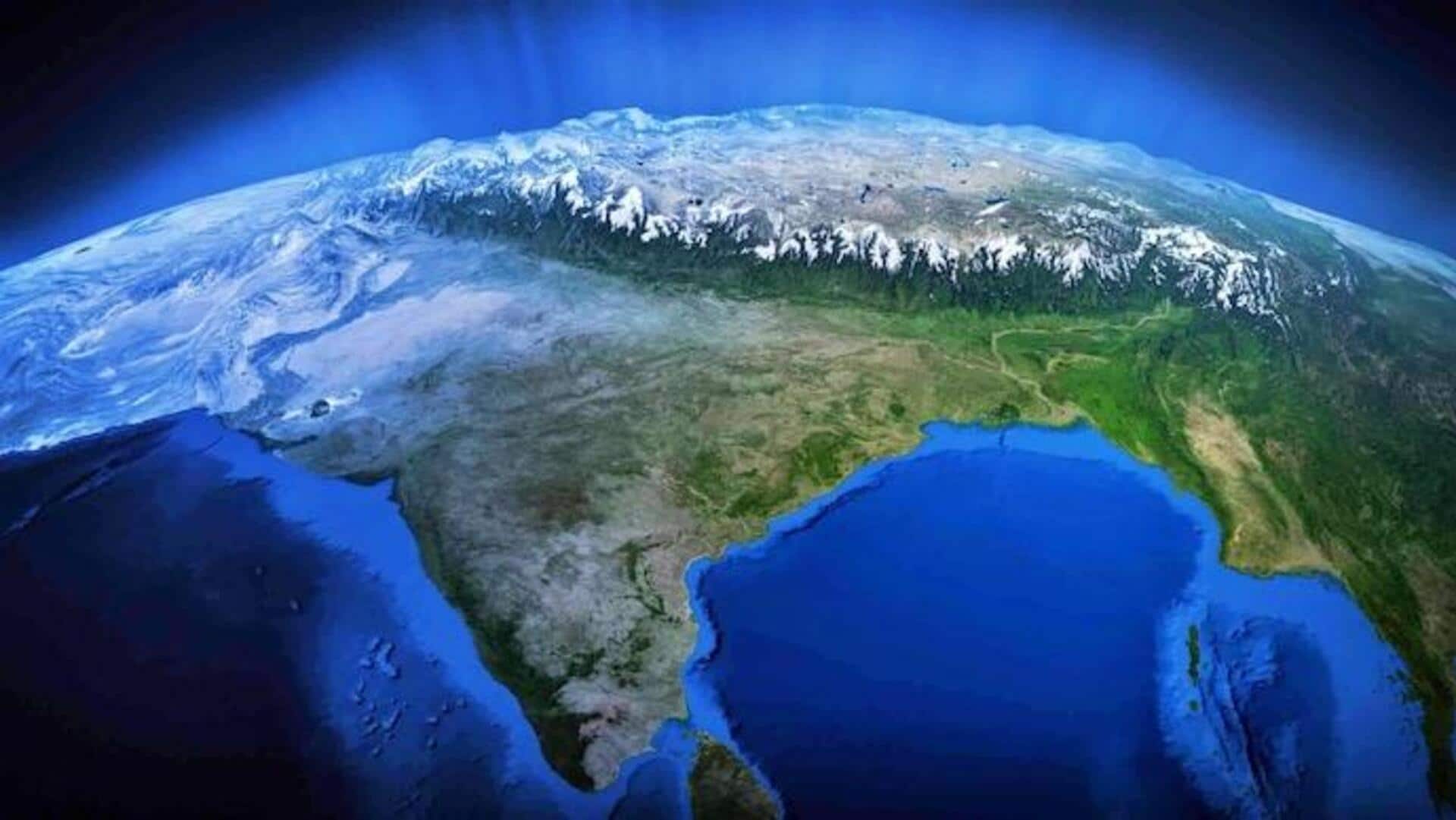
According to India's latest seismic zonation map, the whole Himalayan arc is classified as Seismic Zone VI, indicating exceptionally high tectonic activity and vulnerability to large earthquakes.
Several nations, including the United States, Mexico, Japan, Turkey, Romania, China, Italy, and Taiwan, provide early earthquake alerts.
Venezuela, which was hit by twin earthquakes on Wednesday and has claimed the lives of 235 people so far, does not have a national EEW.