Lesser-known UNESCO gems in Portugal
What's the story
Portugal is famous for its rich history and culture, but many of its lesser-known UNESCO World Heritage sites remain unexplored. These hidden gems offer a unique glimpse into the country's past and are often less crowded than more popular destinations. From ancient monasteries to stunning landscapes, these sites provide an opportunity for travelers to experience Portugal's heritage in a more intimate setting. Here are some of these hidden treasures waiting to be discovered.
#1
Discover the Convent of Christ
Located in Tomar, the Convent of Christ is an impressive example of medieval architecture.
Founded in the 12th century by the Knights Templar, this site features a mix of Gothic, Romanesque, and Manueline styles.
Visitors can explore its intricately designed cloisters and the famous Charola chapel.
The convent's historical significance and architectural beauty make it a must-visit for those interested in Portugal's medieval history.
#2
Explore the cultural landscape of Sintra
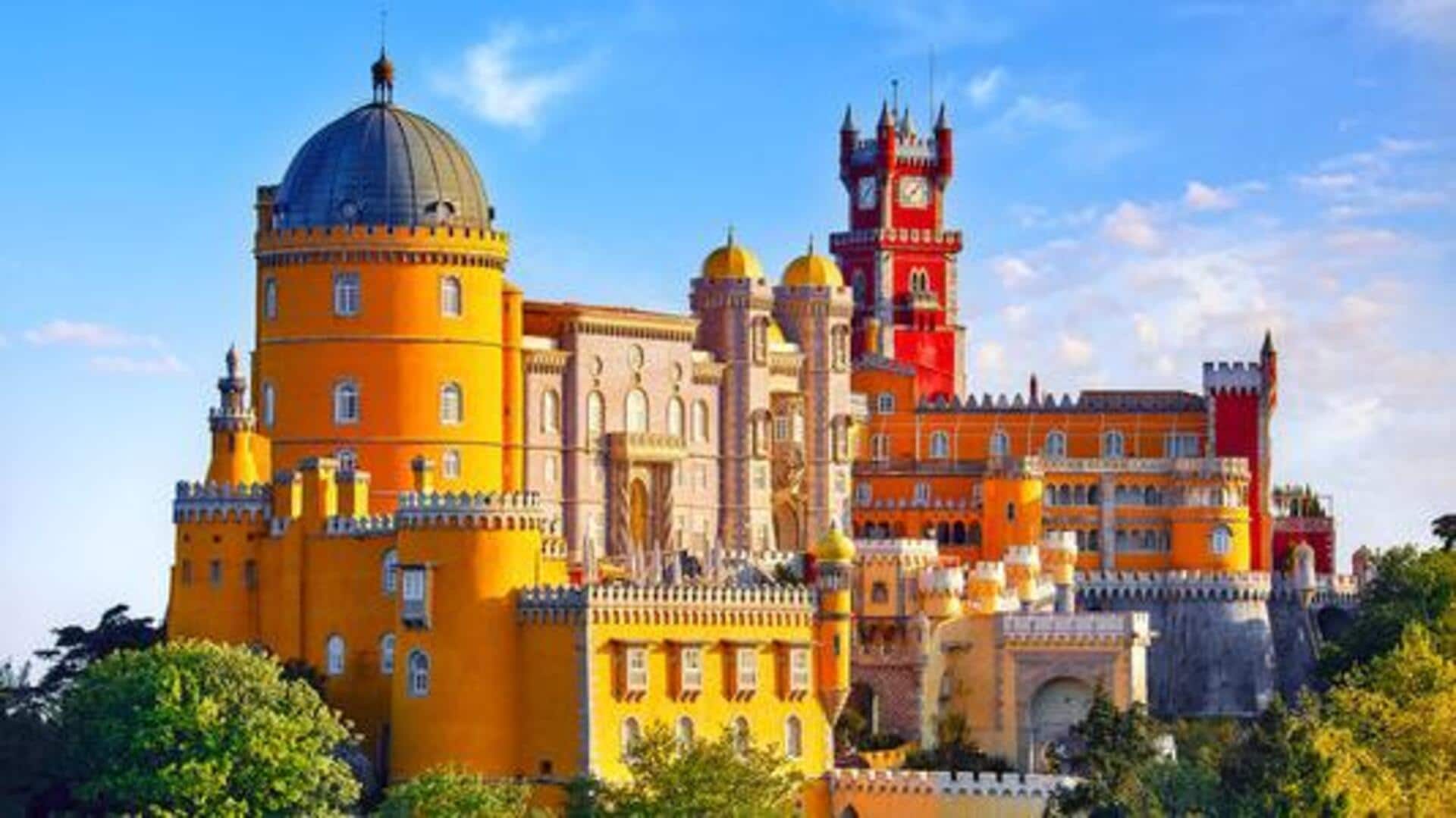
The Cultural Landscape of Sintra is famous for its romantic 19th-century architecture, set amidst lush hills.
The area has several palaces and gardens, including the colorful Pena Palace and Moorish Castle.
The site is a UNESCO World Heritage site for its cultural and natural significance.
A visit here gives you a taste of Portugal's royal past in a breathtaking setting.
#3
Visit the prehistoric rock art sites
Located in the Coa Valley and Siega Verde, the Prehistoric Rock Art Sites feature thousands of engravings on rock faces.
Dating back to the Upper Paleolithic period, these carvings depict animals and human figures from ancient times.
The sites provide invaluable insight into prehistoric life in the region, making them an important stop for archaeology enthusiasts.
#4
Experience the Monastery of Batalha
The Monastery of Batalha is a stunning example of late Gothic architecture, built to commemorate Portugal's victory over Castile at the Battle of Aljubarrota in 1385.
Its intricate stonework and grandiose design make it one of Portugal's most important monuments.
Apart from its architectural beauty, it also holds great historical importance as it symbolizes national pride.
#5
Wander through the landscape of the Pico Island Vineyard Culture
The Landscape of the Pico Island Vineyard Culture is a unique agricultural site in the Azores archipelago.
The vineyards are cultivated on volcanic soil, which is a testament to human ingenuity in adapting to the harsh environment.
The site is famous for its unique stone walls, which protect the crops from the elements.
It highlights the traditional winemaking practices of the region, making it a must-see for culture and nature lovers.