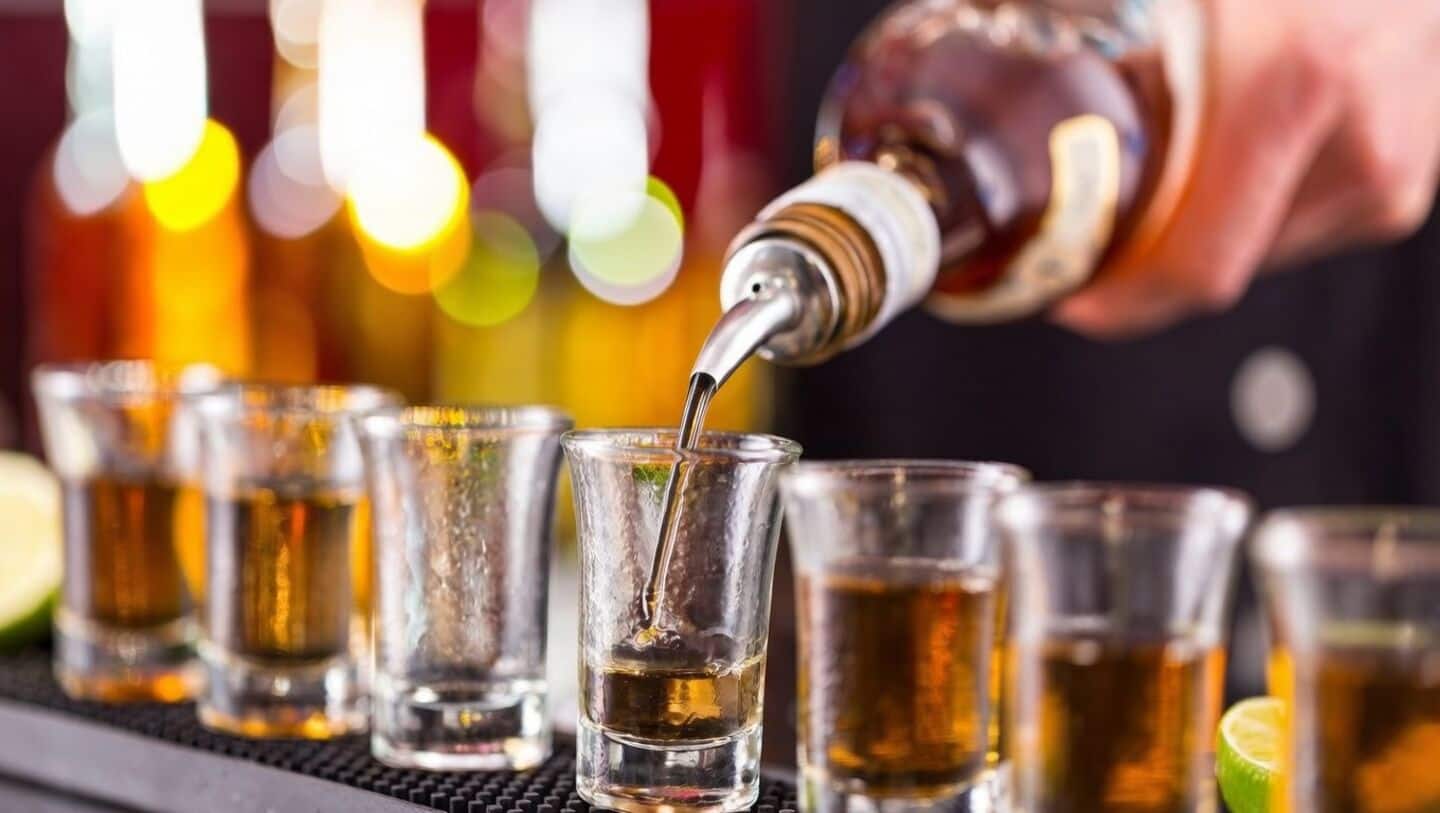
Quitting alcohol may reverse some harm
What's the story
Alcohol consumption is often associated with social events and celebrations, but its impact on health is a growing concern. Research shows that alcohol can harm the immune system, making it less effective against infections like colds, flu, and COVID-19. Even very little alcohol can weaken key white blood cells such as macrophages and neutrophils within 20 minutes of consumption. Chronic alcohol use may even permanently affect these critical immune cells.
Binge impact
Binge drinking and its consequences
Binge drinking, defined as four or more drinks in a few hours, can impair the immune response for up to 24 hours.
This trend is rising in the US, especially among women over 30 and adults over 65.
However, the body usually recovers from these effects within days to a week depending on consumption levels.
Chronic alcohol use can kill or stunt natural killer cells and T-cells, making people more susceptible to infections like pneumonia and HIV.
Cancer risk
Alcohol and cancer risk
Alcohol is the third leading preventable cause of cancer in the US, after tobacco and obesity.
It damages DNA and increases chronic inflammation, contributing to various cancers.
Abstaining from alcohol can halt the progression of alcohol-related cancers but doesn't guarantee prevention if one already had cancer caused by alcohol consumption.
The risk of developing alcohol-related cancers decreases over time after quitting drinking, with a 30-year period similar to that for tobacco use.
Brain effects
Alcohol's impact on the brain
Contrary to popular belief, alcohol doesn't kill brain cells but damages the connections between them, leading to brain shrinkage.
A study found that drinking three drinks a week increases dementia risk by 15% compared to once a week.
However, the damage caused by alcohol can be partially reversed depending on whether it was acute or long-term.
Cognitive functions such as attention and memory can also improve with abstinence from alcohol consumption.