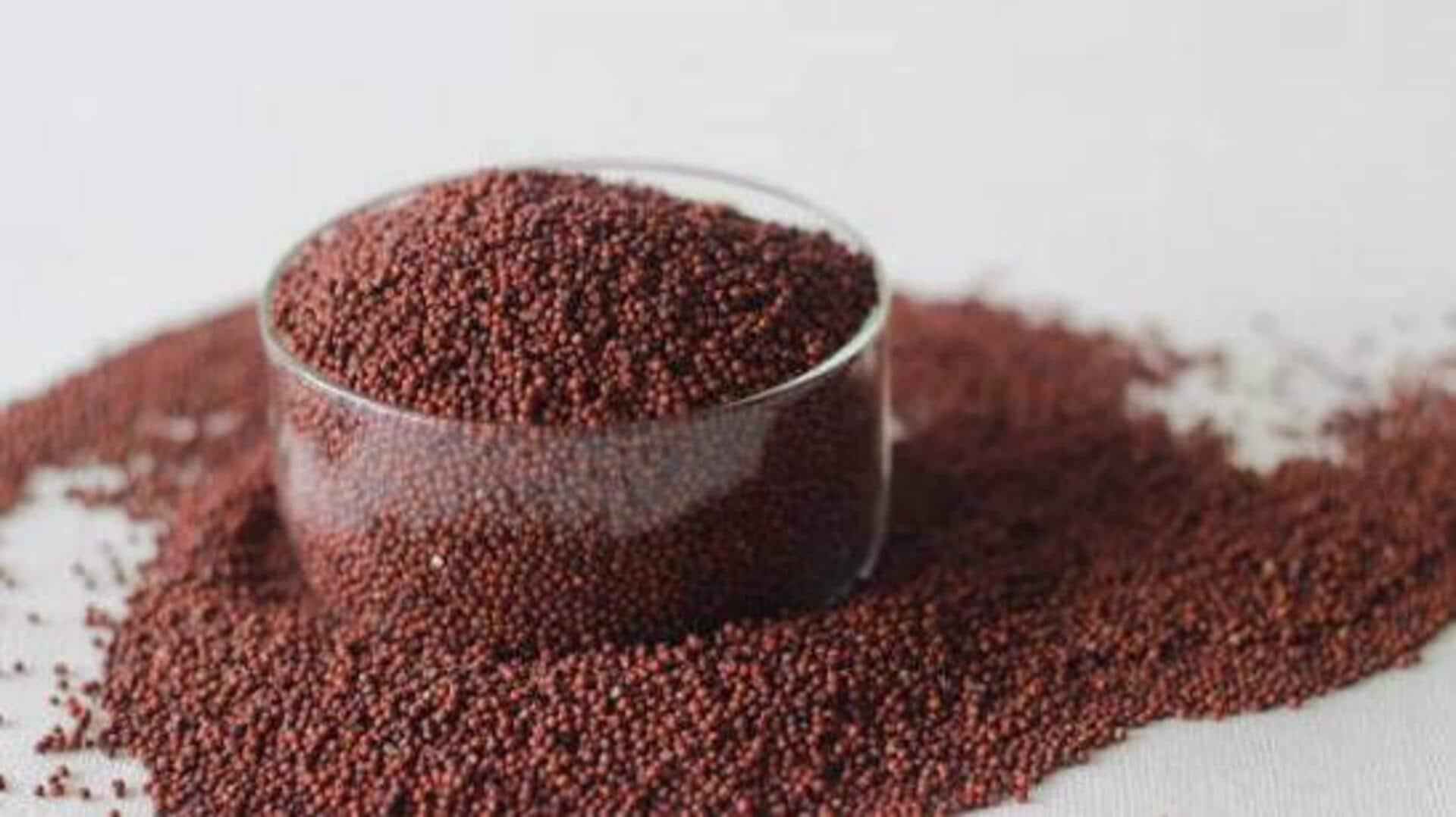
Ragi v/s quinoa: Comparing their nutrition
What's the story
Ragi and quinoa are two popular grains known for their nutritional benefits. Both are packed with essential nutrients and make for healthy additions to a balanced diet. While ragi is a staple in many parts of Africa, quinoa has gained popularity across the globe for its health benefits. Let's take a look at the nutritional profiles of these grains and what they have to offer.
#1
Protein content comparison
Quinoa is famous for its high protein content, having all nine essential amino acids, making it a complete protein source. It has around 14% protein by weight.
Ragi, on the other hand, has about 7% protein but is still a good source of amino acids, albeit not complete.
Both grains can contribute to daily protein intake, but quinoa may be the better choice for those looking to up their protein consumption.
#2
Fiber richness in grains
Fiber is essential for keeping the digestive system healthy, and both ragi and quinoa provide a good amount of it.
Ragi has around three grams of fiber per 100 grams serving, which helps in digestion and keeps you full.
Quinoa also provides about 2.5 grams of fiber per 100 grams serving.
Including either grain in your diet can help you meet your daily fiber requirements.
#3
Mineral content analysis
Both ragi and quinoa are rich in important minerals, such as iron, magnesium, and calcium.
Ragi is especially high in calcium, making it ideal for bone health.
Quinoa also provides good amounts of magnesium and iron, which help in energy production and muscle function.
Choosing between them may depend on which specific minerals you want to focus on more.
Tip 1
Glycemic index considerations
The glycemic index (GI) indicates how quickly foods raise blood sugar levels after consumption.
Ragi has a low GI value, which makes it ideal for people who want to control their blood sugar levels or those with diabetes.
Quinoa also has a low-to-moderate GI value, depending on how it's cooked, but generally is higher than that of ragi.