Recurring deposits or fixed deposits: Which is better?
What's the story
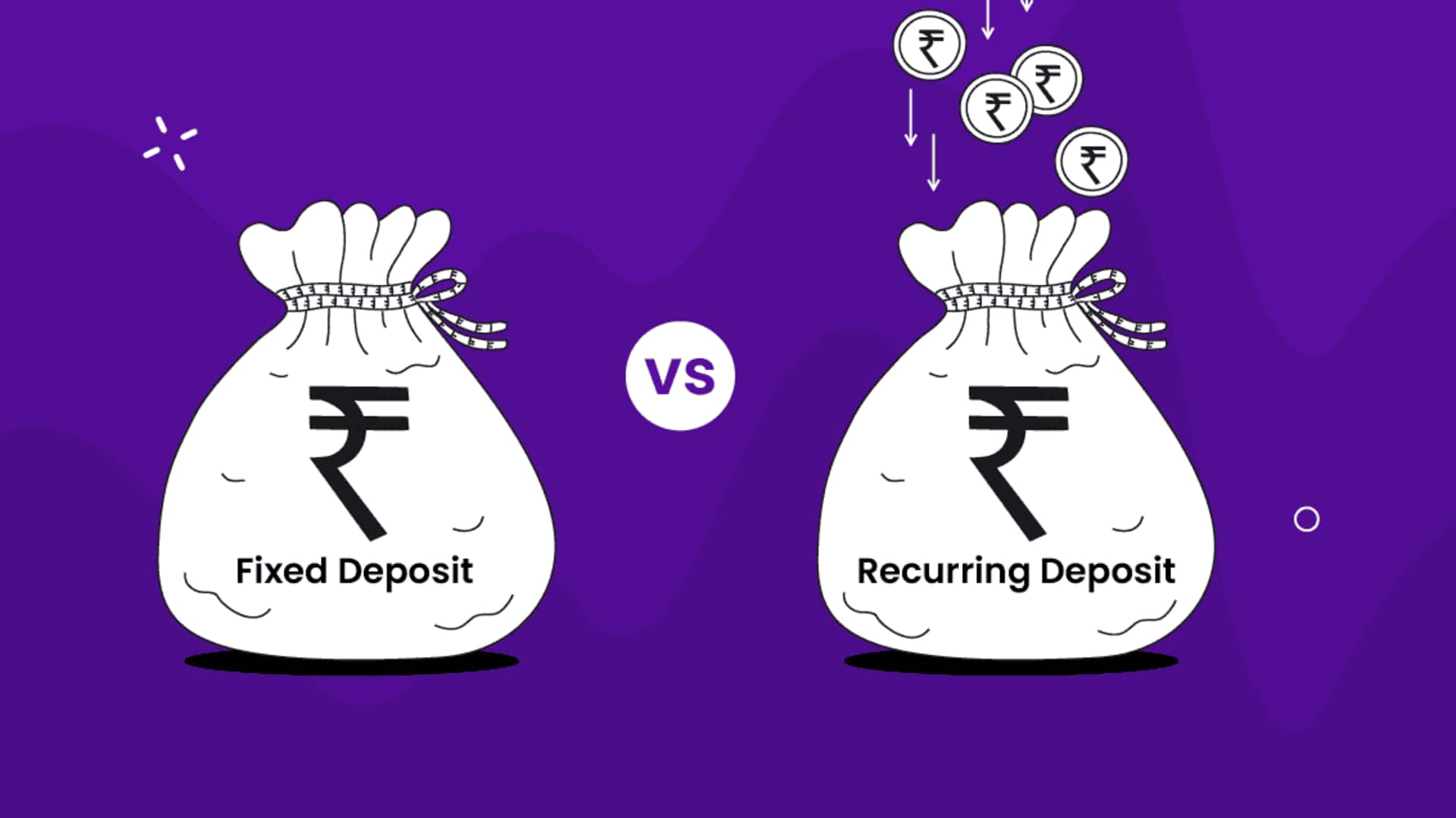
In India, recurring deposits (RDs) and fixed deposits (FDs) are two popular investment options. Both of them have their own advantages, making them suitable for different financial goals and risk appetites. While RDs allow you to invest small amounts regularly, FDs give you a lump sum investment with higher returns. Knowing the features, benefits, and drawbacks of each can help you make informed investment decisions.
#1
Understanding recurring deposits
Recurring deposits allow investors to deposit a fixed amount every month for a specified tenure.
This option is ideal for those who prefer regular savings without having to invest a lump sum upfront.
RDs usually offer interest rates similar to FDs, but with the added benefit of regular contributions.
They are ideal for individuals looking to build savings over time while enjoying predictable returns.
#2
Exploring fixed deposits
Fixed deposits require you to invest a lump sum for a fixed period, usually ranging from seven days to 10 years.
FDs are known for their stability and higher interest rates than savings accounts.
They suit risk-averse investors who want guaranteed returns on their investments without market fluctuations.
The principal amount remains intact until maturity, offering peace of mind.
#3
Comparing interest rates
Interest rates on recurring deposits and fixed deposits can differ based on tenure and bank policies.
Generally, FDs offer slightly higher rates than RDs because of the larger initial investment.
However, the difference may not be significant enough to deter investors from choosing RDs if they prefer regular contributions over one-time investments.
#4
Assessing liquidity options
Liquidity is an important factor when choosing between RDs and FDs.
RDs allow partial withdrawals after a certain period but may incur penalties or reduced interest rates if you withdraw prematurely.
FDs usually have stricter liquidity rules; however, some banks offer premature withdrawal options with penalty fees or allow you to take loans against the deposit amount.
Tip 5
Evaluating tax implications
Both recurring deposits and fixed deposits in India are subject to tax on interest earned above ₹40,000 per annum (₹50,000 for senior citizens).
This means that any interest earned over these thresholds will be taxed according to your income tax slab rate.
It is important to consider these tax implications when planning your investments in either option, as it affects overall returns significantly.